Three hundred and thirty-three islands. Roughly 10,000 square kilometers of reef systems spanning the crossroads of the Melanesian and Polynesian biogeographic zones. And two fundamentally different ways to dive the place: from a liveaboard that threads between remote atolls and passages, or from a resort on one of Fiji's inhabited islands. The fiji liveaboard vs resort decision is not the same calculation it is in the Maldives — Fiji's geography, dive infrastructure, and signature encounters create a different set of trade-offs, and the numbers in 2026 reflect that.
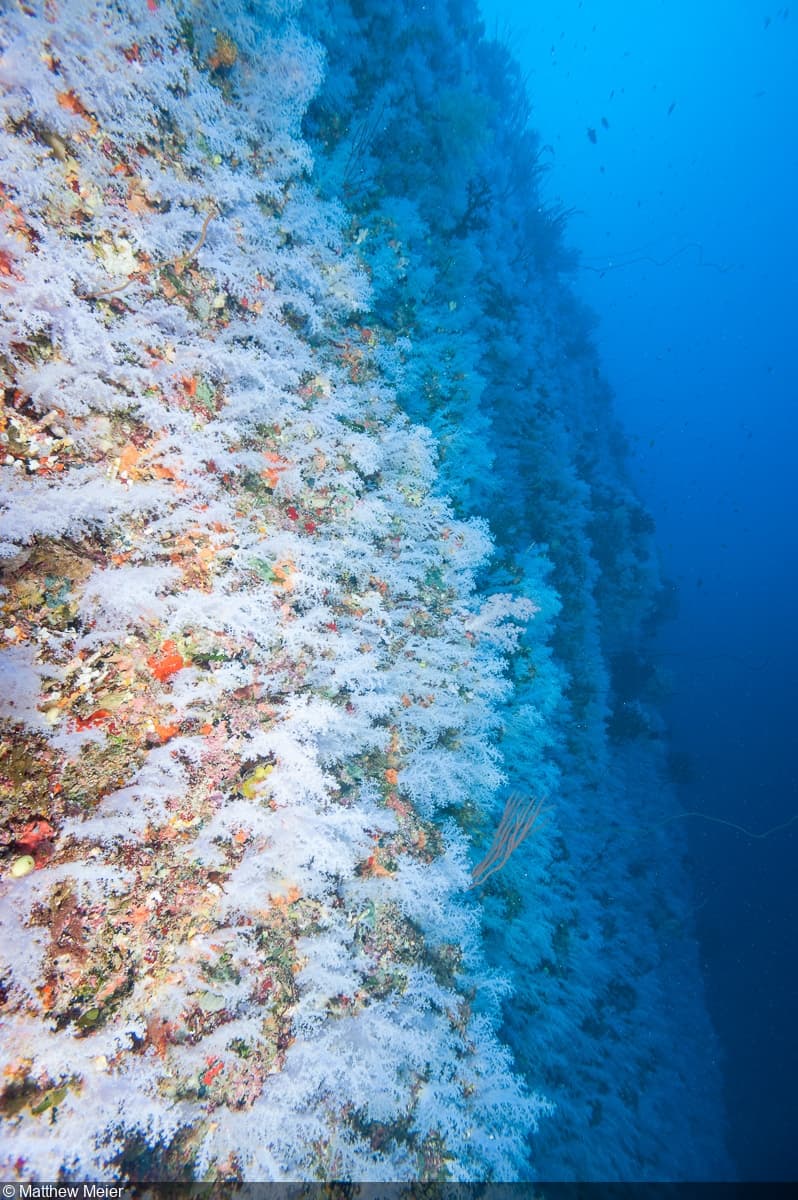
Fiji holds its reputation as the "Soft Coral Capital of the World" on the strength of the Somosomo Strait's nutrient-rich currents that feed dense soft coral gardens on the Rainbow Reef and the Great White Wall — sites consistently ranked among the planet's top dive locations (PADI, 2025; Dive Magazine, 2024). The country also hosts one of the most accessible shark-feeding dives on Earth at Beqa Lagoon, where up to eight species of sharks — including bull sharks, tigers, and sicklefin lemon sharks — gather in numbers that attract divers from across the globe (Beqa Adventure Divers, 2025; Shark Studies, 2024). Both of these headline encounters are reachable from a resort and from a liveaboard, but the quality, cost, and context of the experience differ substantially.
This article answers the question every Fiji-bound diver has to settle: fiji liveaboard vs resort, which one delivers the diving you came for, and at what real total cost in 2026?
Why This Comparison Matters in 2026
Two things shifted in the last 18 months. First, Fiji's tourism levy structure changed: the Environment and Climate Adaptation Levy (ECAL) remains at 3% on all tourism services, but several operators have adjusted pricing to absorb increased fuel costs — Fiji's remoteness means fuel surcharges are now a meaningful line item on liveaboard invoices, with some operators adding USD 150 to 300 per trip as a separate fuel levy (Tourism Fiji, 2025; Fiji Times, 2025). Second, Fiji's liveaboard fleet has consolidated: Nai'a — long the flagship vessel for Bligh Water and remote northern routes — continues operations with updated itineraries, while several smaller operators have entered or exited the market. We compiled current 2026 pricing across Fiji's active liveaboard operators and the most-cited dive resorts, mapped them against seasonal conditions and regional dive site access, and built the comparison below. What you get: a clear picture of which option matches which diver profile, with the math behind it.
What Each Option Actually Delivers
Liveaboard Diving: Remote Access and Dive Volume
A standard 7-night Fiji liveaboard runs three to four dives per day — typically two morning dives, an afternoon dive, and one or two night dives — totaling 20 to 25 dives in a week (Nai'a Fiji, 2025; LiveAboard.com, 2026). Vessels reposition overnight, waking divers at sites that would require hours of boat travel from shore-based operations. Fiji's liveaboard routes cover three broad regions:
- Bligh Water and the Northern Lau Group: The classic Nai'a itinerary. Bligh Water's nutrient-rich currents fuel dense soft coral growth and large pelagic encounters — grey reef sharks, schooling barracuda, and occasional hammerheads. Northern Lau sites remain largely inaccessible to resort-based divers. Operates year-round with best visibility June through October (Nai'a Fiji, 2025).
- Beqa Lagoon and Kadavu: Southern routes that combine Fiji's signature shark dive at Beqa with the Great Astrolabe Reef at Kadavu — one of the largest barrier reefs in the world. Beqa's shark-feeding dive operates daily; Kadavu's remote sites see manta rays and large pelagics (Beqa Adventure Divers, 2025; Tourism Fiji, 2025).
- Somosomo Strait and Rainbow Reef (Taveuni area): Some liveaboards include Taveuni-area sites in extended itineraries, though this region is more commonly accessed from resorts. The Great White Wall, Purple Wall, and Cabbage Patch are within 30 to 60 minutes by boat from Taveuni-based resorts (Dive Magazine, 2024).
The critical advantage: liveaboards reach Bligh Water and Northern Lau — Fiji's most remote and pristine diving — in a single trip. Resort-based divers would need domestic flights plus boat charters to access these sites, burning multiple dive days in transit.
Resort Diving: Comfort, Culture, and Site-Specific Access
A Fiji resort dive package typically runs two to three dives per day — a two-tank morning boat dive plus optional afternoon or night dives — totaling 12 to 18 dives in a week depending on the operator and how aggressively the diver schedules (Tourism Fiji, 2025; Bluewater Dive Travel, 2025). Per-dive pricing varies by region, but most resorts charge FJD 180 to 280 (roughly USD 80 to 125) per two-tank boat dive, with multi-day packages reducing the per-dive rate.
What resort diving delivers that liveaboards cannot:
- Site-specific access to Fiji's most famous dives. The Beqa Lagoon shark dive is operated by Beqa Adventure Divers from Pacific Harbour resorts — a 45-minute boat ride. The Rainbow Reef and Great White Wall are accessed from Taveuni resorts like Garden Island Resort or Taveuni Ocean Sports — 30 to 60 minutes by boat. These are not stops on a route; they are the reason you are there, and you can dive them multiple days in a row.
- Non-diver compatibility. Fiji's resorts offer genuine cultural experiences — village visits, kava ceremonies, snorkeling, surfing, and island-hopping. A non-diving partner has a real holiday. On a liveaboard, they have a small cabin and dive briefings.
- Surface comfort and flexibility. Fixed bed, full resort amenities, the ability to skip a day and explore the island, and no swell at 03:00. Fiji's resorts range from boutique eco-lodges to luxury private-island properties.
- Dive certification flexibility. Fiji's calmer resort-accessible sites (house reefs, sheltered lagoons) are suitable for Open Water divers and beginners. Liveaboard sites in Bligh Water and Lau often require Advanced Open Water certification and current experience (Nai'a Fiji, 2025).
The trade-off: resort divers are bound to sites within their boat-dive radius. A Pacific Harbour resort gives world-class shark diving but limited access to soft coral gardens. A Taveuni resort gives Rainbow Reef access but cannot reach Beqa or Bligh Water without dedicated multi-day excursions.
The Numbers: Fiji Dive Trip Cost in 2026
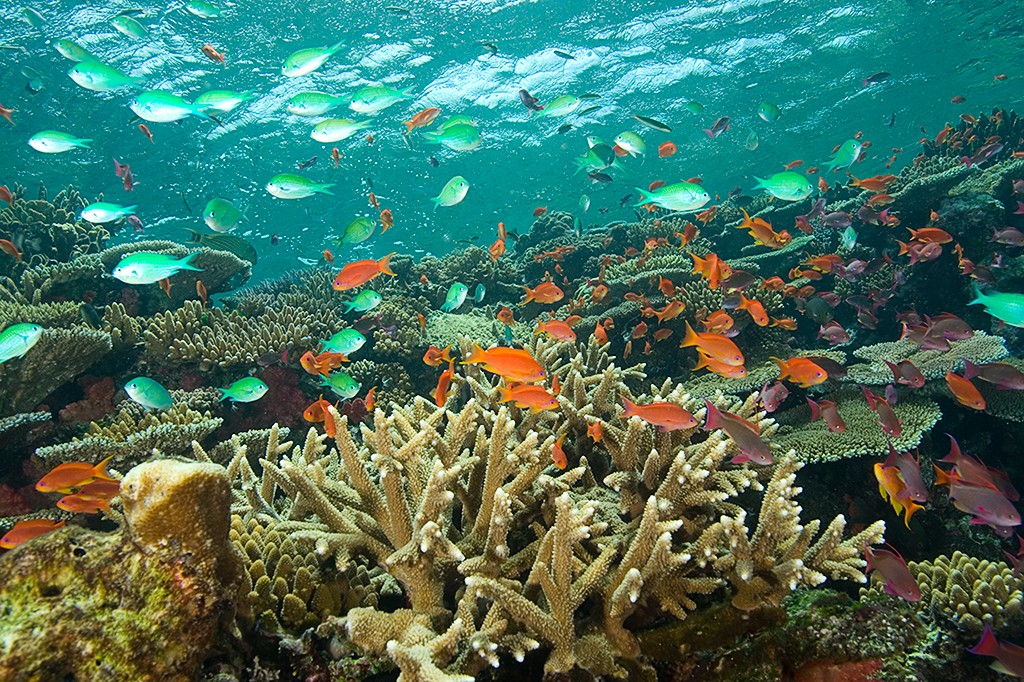
Pricing is where the fiji liveaboard vs resort decision gets interesting. Fiji is not a budget destination — its remoteness in the South Pacific means international flights are expensive, and the tourism infrastructure is less developed than Southeast Asian alternatives. We compiled current 2026 rates from LiveAboard.com, Nai'a Fiji, Tourism Fiji, Dive Magazine, and Bluewater Dive Travel, then layered in the current tax structure.
7-Night Liveaboard Cost (per diver, USD)
| Tier | Base fare | Fuel surcharge + taxes | Gear + Nitrox | Tipping | Total est. |
|---|---|---|---|---|---|
| Mid-range | 3,000–4,500 | 200–400 | 250–400 | 200–350 | 3,650–5,650 |
| Luxury | 4,500–7,000+ | 300–500 | 0 (often included) | 350–600 | 5,150–8,100+ |
Sources: Nai'a Fiji published 2026 rates (USD 3,950 per person for 7-night Bligh Water itinerary, standard cabin), LiveAboard.com (2026), fuel surcharge data from Fiji Times (2025).
Nai'a's 2026 published rate of approximately USD 3,950 per person for a 7-night Bligh Water and Lau itinerary in a standard cabin represents the mid-range tier. Premium cabin upgrades push this above USD 5,000. Headline rates typically include all meals, diving, tanks, and weights but exclude international flights, alcohol, Nitrox (USD 150 to 200), and crew gratuity. Fuel surcharges of USD 150 to 300 are now common and sometimes listed separately.
7-Night Resort Dive Package Cost (per diver, USD)
| Tier | Room (7 nights) | Diving (12–18 dives) | Taxes + service | Total est. |
|---|---|---|---|---|
| Budget (local island/guesthouse) | 500–1,200 | 600–1,000 | ~15% of pre-tax | 1,270–2,530 |
| Mid-range resort | 1,800–3,500 | 800–1,400 | ~15% of pre-tax | 3,000–5,635 |
| Luxury resort | 4,000–10,000+ | 1,000–1,800 | ~15% of pre-tax | 5,750–13,570+ |
Sources: Tourism Fiji (2025–2026), Bluewater Dive Travel (2025), Tripadvisor (2026), ECAL 3% + service charges.
Budget-tier options include guesthouses on Kadavu, Taveuni, or the Yasawa Islands. Mid-range examples include Beqa Lagoon Resort (Pacific Harbour), Garden Island Resort (Taveuni), and several Yasawa and Mamanuca properties. Luxury options include Kokomo Private Island (Kadavu), Six Senses Fiji (Malolo Island), and Laucala Island. Even at the mid-range tier, a resort week with diving can run comparable to a liveaboard — but delivers fewer dives.
The per-dive cost math: a mid-range liveaboard at USD 4,500 total delivering 22 dives lands at roughly USD 205 per dive. A mid-range resort at USD 4,300 total delivering 15 dives lands at roughly USD 287 per dive. The liveaboard delivers 47% more dives for a similar total spend.
Signature Encounters: Where Each Option Wins
Fiji diving sells on three things: shark encounters at Beqa, soft coral gardens in the Somosomo Strait, and remote pelagic diving in Bligh Water and Lau. Access to each is highly location-dependent.
Shark Diving at Beqa Lagoon
Beqa Lagoon's shark-feeding dive is one of the most accessible and reliable shark dives in the world. Beqa Adventure Divers operates the dive from Pacific Harbour on Viti Levu's south coast, with daily trips to the Shark Reef Marine Reserve. Divers sit on a reef ledge at 20 to 25 meters while dive leaders feed — typically attracting bull sharks, tiger sharks, sicklefin lemon sharks, grey reef sharks, silvertips, whitetip reef sharks, nurse sharks, and occasionally hammerheads. Average encounter count: 60 to 100+ individual sharks per dive during peak conditions (Beqa Adventure Divers, 2025; Shark Studies, 2024).
Best access: a Pacific Harbour resort (Beqa Lagoon Resort, Uprising Beach Resort). The dive is a 45-minute boat ride from shore. Liveaboards visiting Beqa Lagoon can include this dive, but the daily feeding schedule means resort-based divers can repeat it across multiple days — a significant advantage for photographers and shark enthusiasts.
Soft Coral Gardens: Somosomo Strait and Rainbow Reef
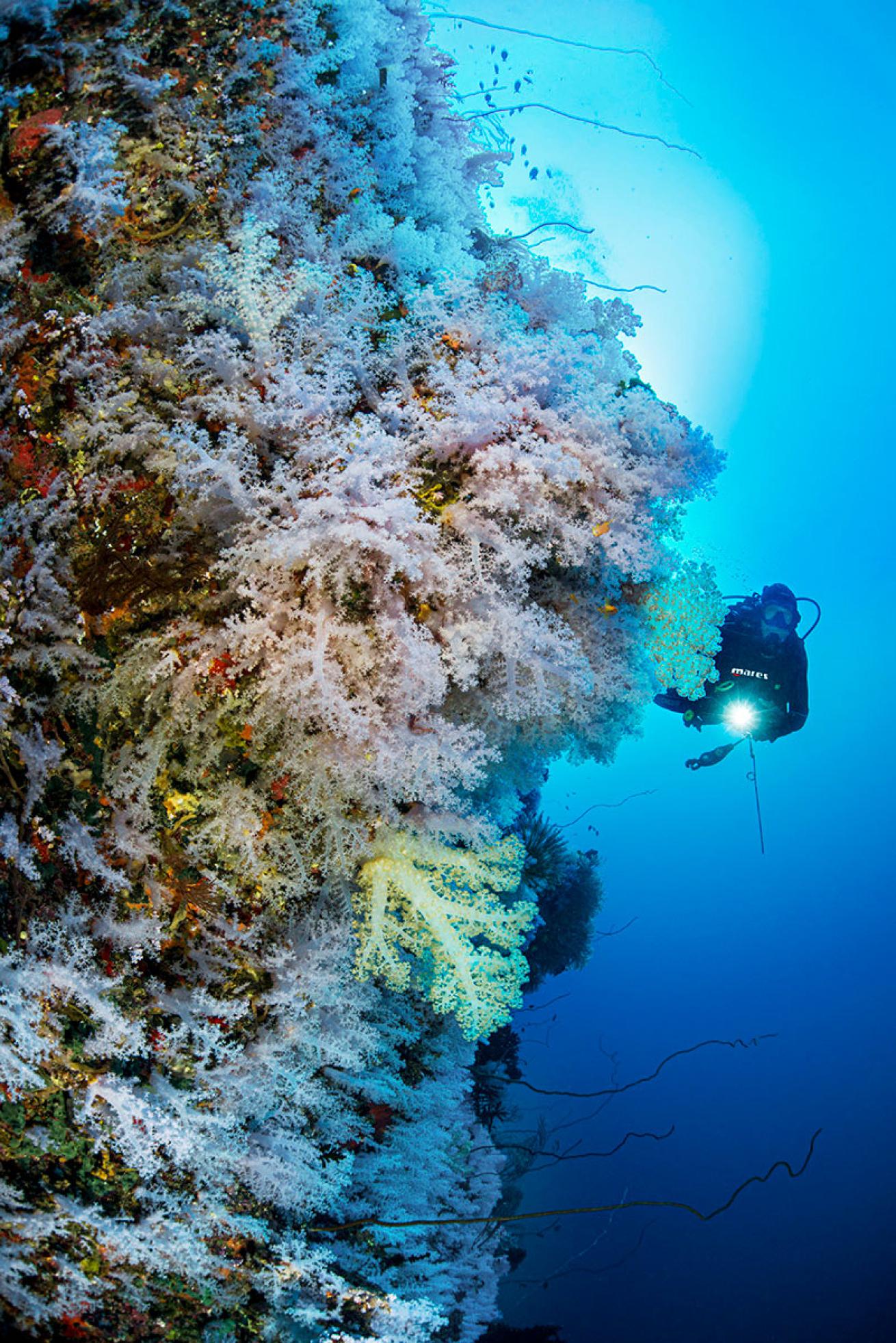
The Somosomo Strait between Taveuni and Vanua Levu funnels nutrient-rich currents that feed Fiji's densest soft coral gardens. The Rainbow Reef — particularly the Great White Wall, Purple Wall, and Annie's Bommie — consistently ranks among the world's top dive sites. The Great White Wall is a vertical wall blanketed in white soft corals (Dendronephthya) that glow under dive lights, creating one of the most photographed underwater scenes in the Pacific (Dive Magazine, 2024; PADI, 2025).
Best access: Taveuni resorts (Garden Island Resort, Taveuni Ocean Sports, Raiwasa Private Resort). Sites are 30 to 60 minutes by boat. Resort divers can dive Rainbow Reef across multiple days, adjusting for tidal conditions that affect current strength and soft coral feeding. Liveaboards passing through Taveuni can include a day or two, but the strait's tidal-dependent conditions favor repeat visits from a nearby resort.
Bligh Water and Remote Pelagics
Bligh Water — the channel between Viti Levu and Vanua Levu — is Fiji's premier current-driven dive zone. The nutrient upwelling supports dense reef ecosystems with large pelagic aggregations: grey reef sharks, schooling barracuda, giant trevally, and occasional scalloped hammerheads. The dive sites here — E.T., Mount Mutiny, Instant Replay — are accessible only by boat from the northern Viti Levu coast or by liveaboard (Nai'a Fiji, 2025).
Best access: liveaboard. Bligh Water's remote position means resort-based divers from Pacific Harbour or Taveuni face multi-hour boat transfers. A liveaboard that overnights in Bligh Water delivers three to four dives per day at sites that shore-based operations cannot efficiently reach.
Northern Lau Group sites — remote, rarely dived, and offering pristine reef systems — are exclusively liveaboard territory.
The Comparison Matrix
| Criterion | Liveaboard | Resort |
|---|---|---|
| Dives per day | 3–4 (incl. night) | 2–3 boat + house reef |
| Total dives in 7 nights | 20–25 | 12–18 |
| Regions accessible per trip | 2–3 (Bligh Water + Lau, or Beqa + Kadavu) | 1 (home region only) |
| Per-dive total cost (mid-range) | USD 190–260 | USD 250–375 |
| 7-night total (mid-range) | USD 3,650–5,650 | USD 3,000–5,635 |
| Beqa shark dive | Available (single visit) | Daily repeat access from Pacific Harbour |
| Rainbow Reef / Great White Wall | Passing visit | Multi-day access from Taveuni |
| Bligh Water pelagics | Direct access, multiple days | Effectively no |
| Northern Lau remote sites | Direct access | No |
| Recommended certification | AOW + 30 dives (Nai'a guidance) | Open Water acceptable |
| Non-diver-friendly | Poor | Excellent |
| Seasickness factor | Moderate (open-water crossings) | Zero to minimal |
| Soft coral quality | Good (sites vary by route) | Excellent (repeat access to best sites) |
| Cultural experiences | Minimal | Village visits, kava, local life |
| Booking flexibility | Fixed schedule | Choose dives daily |
Sources: Nai'a Fiji (2025–2026), LiveAboard.com (2026), Beqa Adventure Divers (2025), Tourism Fiji (2025–2026), Dive Magazine (2024), Bluewater Dive Travel (2025).
Decision Framework: Which Option Fits Which Diver
We use this framework when shortlisting Fiji trips. The fiji liveaboard vs resort answer changes meaningfully by profile.
Choose a liveaboard if:
- You are AOW-certified with 30-plus logged dives and comfortable with current diving.
- Your priority is dive volume and remote access — you want 20-plus dives in a week, including sites no shore operation reaches.
- Bligh Water's pelagic diving and Northern Lau's pristine reefs are the draw.
- You want to combine multiple regions in a single trip.
- You travel with a dive-focused partner or group.
- Mid-range total budget is USD 3,650 to 5,650 per diver; you want maximum diving per dollar.
Choose a resort if:
- You hold Open Water with limited recent diving and want a gentler reintroduction.
- You travel with a non-diving partner, children, or family.
- Fiji's signature dives — Beqa shark dive, Rainbow Reef soft coral — are the priority, and you want to repeat them across multiple days.
- Cultural immersion matters — village visits, kava ceremonies, exploring the island.
- You want flexibility — to skip a day, go surfing, snorkel, or have a spa morning.
- Your trip is built around a broader Fiji experience (honeymoon, family holiday), with diving as a major but not exclusive activity.
Choose a hybrid (split-stay) if:
- You have 10 to 14 nights and want both remote liveaboard diving and site-specific resort access.
- Budget is USD 7,000-plus per diver.
- You want Bligh Water or Lau pelagics plus dedicated multi-day Rainbow Reef or Beqa shark diving.
The Honest Caveats
Liveaboard downsides that matter. Fiji is not Indonesia — the liveaboard fleet is small (essentially Nai'a and a handful of smaller operators), so availability is limited and booking far in advance is necessary. Cabins are compact. Bligh Water crossings can be rough, particularly during the southern winter (May through October). The remote Lau itineraries are weather-dependent and occasionally rerouted. Fiji liveaboards are not cheap — the remoteness of the destination means per-night costs are higher than comparable-length trips in Southeast Asia.
Resort downsides that matter. The dive radius problem is real. A Pacific Harbour resort delivers world-class shark diving but limited soft coral access. A Taveuni resort delivers Rainbow Reef but cannot reach Beqa or Bligh Water. Fiji's best diving is spread across multiple regions — no single resort location covers all of it. Per-dive cost compounds: a 15-dive package at USD 95 per dive is USD 1,425 on top of room rate. Resort dive operations vary in quality — some are excellent (Beqa Adventure Divers, Taveuni Ocean Sports), others are resort amenities rather than dedicated dive centers.
For both options, Fiji charges a 3% ECAL on all tourism services, and most resorts add a 10% service charge. Some operators now list fuel surcharges separately. Add roughly 15% to 20% to any pre-tax quote for the real total.
The MantaraDive Recommendation
After running the comparison across 2026 pricing, regional access data, and encounter probability, we recommend three concrete paths.
For shark enthusiasts and current-comfortable divers, choose a Pacific Harbour resort with the Beqa shark dive. Beqa Lagoon Resort or Uprising Beach Resort, combined with daily Beqa Adventure Divers shark dives. Mid-range total: USD 3,000 to 5,000. You get repeat access to one of the world's best shark encounters — something a liveaboard passing through cannot match.
For soft coral devotees and photographers, choose a Taveuni resort. Garden Island Resort, Taveuni Ocean Sports, or Raiwasa Private Resort, with multi-day Rainbow Reef access timed to the right tidal conditions. Mid-to-luxury total: USD 3,500 to 8,000. The Great White Wall and Purple Wall reward repeat visits under different tidal and light conditions.
For maximum dive volume and remote access, choose the Nai'a liveaboard. A 7-night Bligh Water and Lau itinerary delivers 20-plus dives at sites no shore operation reaches — E.T., Mount Mutiny, and pristine northern Lau reefs. Mid-range total: USD 3,950 to 5,650. This is the highest-density Fiji diving available and the only way to efficiently cover Bligh Water and Lau in a single trip.
For 10-plus-night trips at a USD 7,000-plus budget, combine both. Three to four nights at a Taveuni or Pacific Harbour resort, then a 7-night liveaboard. This covers Fiji's three signature experiences — shark diving, soft coral, and remote pelagics — without compromise.
The single biggest mistake we see: divers booking a Mamanuca or Yasawa resort and expecting access to Fiji's headline dive sites. The Mamanuca Islands offer pleasant resort diving but are not near Beqa, Rainbow Reef, or Bligh Water. Either go to the region where the headline dive happens, or take a liveaboard that does.
If your shortlist also includes Southeast Asia, our analysis on Raja Ampat vs Komodo diving covers a similar cost-vs-remote-access calculation for the Coral Triangle — useful when divers are choosing between a South Pacific trip and an Indonesian one.
Talk to a Specialist
Choosing the right fiji liveaboard vs resort path is region-and-season specific — Beqa's shark dive on a rough-weather day, Rainbow Reef at the wrong tidal phase, or a liveaboard that misses Bligh Water's best conditions all turn a dream Fiji trip into an expensive miss. MantaraDive advisors cross-reference real-time vessel availability, resort pricing, and seasonal conditions with your trip dates, certification level, and travel-style preferences. Send us your dates, budget, and priorities and we will return a custom shortlist of two to three liveaboards or resorts (or both) within 24 hours, with the trade-offs spelled out.
Sources and Methodology
This article draws on data cross-referenced from the following independent sources: Nai'a Fiji (2025–2026 published rates, Bligh Water and Lau itinerary descriptions, certification requirements), LiveAboard.com (2026 vessel listings, pricing tiers, route descriptions), Beqa Adventure Divers (2025 shark species counts, daily dive schedules, Shark Reef Marine Reserve data), Shark Studies (2024 Beqa Lagoon shark population data), Dive Magazine (2024–2025 Fiji site rankings, Rainbow Reef and Somosomo Strait descriptions), Tourism Fiji (2025–2026 resort listings, ECAL tax structure, regional access information), PADI (2025 Fiji dive site certifications, soft coral ecology), Bluewater Dive Travel (2025 Fiji resort vs liveaboard pricing structure), Tripadvisor (2026 Fiji resort pricing data), and Fiji Times (2025 fuel surcharge reporting). All prices are USD and reflect rates published in early 2026; actual costs vary by operator, season, cabin class, and booking lead time. Encounter probabilities reflect historical patterns and operator-reported sighting rates, not guarantees.
Related MantaraDive planning links
- Maldives Liveaboard vs Resort: Which Actually Gives You Better Diving in 2026?
- Raja Ampat vs Komodo Diving
- Komodo Liveaboard Prices: What It Actually Costs (and What's Worth It)
- Great Barrier Reef Liveaboard: Complete Guide for Divers
- Red Sea Liveaboard Itinerary: North vs South for European Divers
- Solo Diving in the Philippines: Which Resorts and Liveaboards Welcome Solo Travelers?
- 5 Essential Beginner Tips for Your First Tropical Dive Trip
- Galapagos Liveaboard: Is It Worth It?