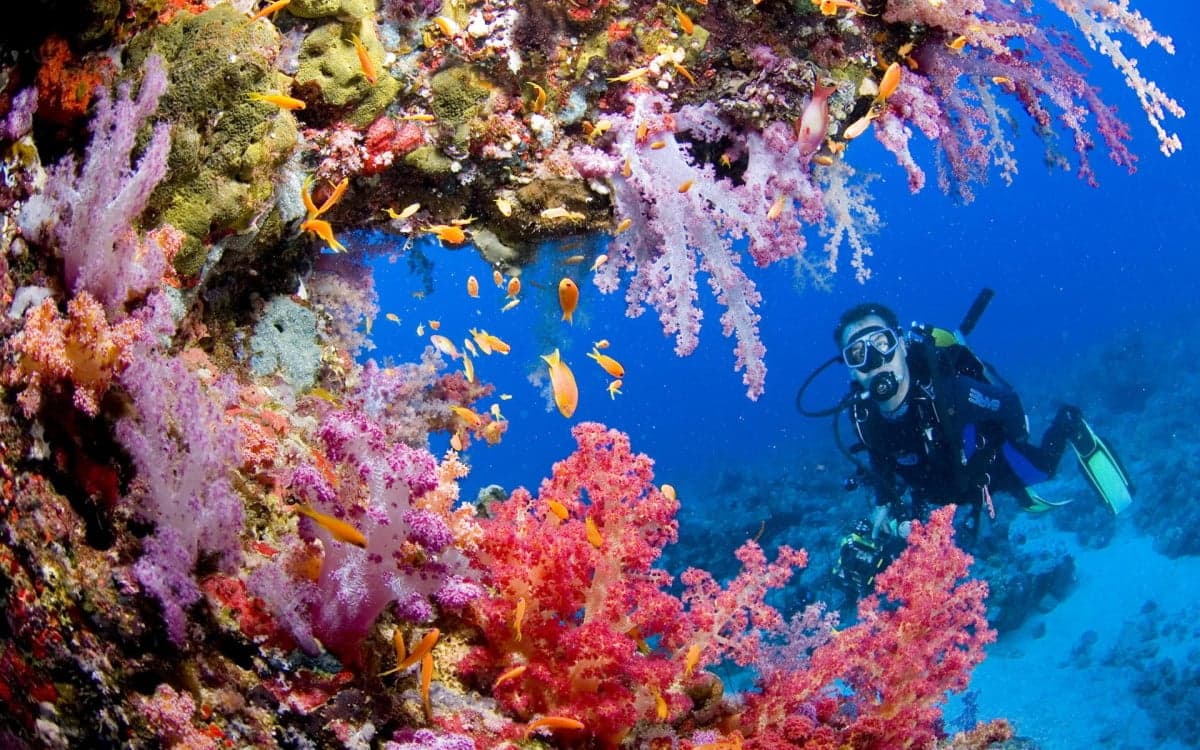
Philippines diving solo is usually easier than people expect, but the phrase causes confusion. Most travelers do not mean true solo scuba, where you enter the water without a buddy. They mean traveling without a partner, joining guided dives, being paired with another guest or divemaster, and trying not to get punished by single supplements.
That version of solo diver Philippines travel works very well in the right places. The Philippines has social dive towns, compact resort bases, and several liveaboards with cabins that are clearly marked as solo-traveler friendly. It also has some awkward traps: remote resorts priced around double occupancy, liveaboard cabins that look affordable until you request private use, and advanced sites where an anonymous "insta-buddy" is not enough if your skills are rusty.
This guide answers the practical question: which resorts and liveaboards actually welcome solo travelers, and where should you book if you are diving the Philippines alone?
The Short Answer
For most solo divers, Dauin/Dumaguete, Moalboal, Malapascua, and selected Philippines liveaboards are the cleanest choices. Dauin and Dumaguete work best for guided resort diving with predictable daily boat schedules. Moalboal is the easiest social base if you want budget rooms, sardines, turtles, and plenty of other travelers. Malapascua is the best solo trip if your main goal is thresher sharks. For a solo liveaboard Philippines plan, choose boats with shared cabins or cabin categories explicitly marked for solo travelers.
Use this quick matrix:
| Solo traveler need | Best fit | Why it works |
|---|---|---|
| Lowest planning friction | Dauin/Dumaguete resort | Daily guided diving, airport access, strong dive infrastructure. |
| Social, flexible, budget-conscious trip | Moalboal | Easy to meet other divers and book day-by-day dives. |
| One iconic wildlife goal | Malapascua | Thresher shark diving gives the trip a clear structure. |
| No hotel hopping | Liveaboard with shared cabins | Meals, diving, route, and buddy pairing are handled onboard. |
| Avoiding high single supplements | Agos, Seadoors, Philippine Siren-style cabin sharing | Listed cabin types include solo-friendly shared options. |
| Private room comfort | Resort with published single supplement | More expensive, but transparent before booking. |
The main rule: do not ask whether a place accepts solo travelers; ask how they price and buddy solo travelers. The right operator will answer both plainly.
Solo Travel Is Not the Same as Solo Diving
Before choosing a resort, separate two issues. Traveling alone is normal. Diving alone is a different safety decision.
PADI notes that a Self Reliant Diver certification does not automatically mean an operator or country will allow you to dive without a buddy. In everyday Philippine resort diving, assume you will be diving with a guide, a buddy, or a small group. That is usually a benefit, not a compromise. Many Philippine sites involve boat traffic, current, deep cleaning stations, night dives, or unfamiliar local procedures. A good guide makes a solo traveler's week easier.
If your goal is true solo scuba, contact the operator before booking and be specific about certification, redundant gas, surface marker buoy, dive computer, insurance, and local rules. Many operators will still decline. For most readers, the better question is not "Can I dive alone?" but "Will I be treated well if I arrive without a buddy?"
Best Resort Bases for Solo Divers
Dauin and Dumaguete: Best Overall Resort Base
Dauin, near Dumaguete on Negros, is the safest default for a solo diver who wants resort support without giving up serious diving. The area combines muck diving, reefs, Apo Island day trips, short transfers from Dumaguete airport, and enough established dive operations that solo guests are routine rather than unusual.
This is also where single supplement pricing is easiest to understand. Diveplanit lists Atlantis Dumaguete packages with 2026 pricing that includes a published single supplement for a seven-night Deluxe Room package. The important point is not that Atlantis is the cheapest choice; it is that the solo cost is visible before you inquire. For solo travelers, transparent pricing beats a vague "contact us" quote.
Dauin suits photographers, experienced Open Water divers, Advanced divers, and travelers who want structure. You can do guided local macro dives, Apo Island coral dives, night dives, and skills-refresh dives without changing hotels. If you are anxious about being alone on the surface, choose a resort with communal meals, camera rooms, and scheduled boat departures. These features create natural conversation without requiring a party town.
Best for: solo photographers, divers with limited vacation days, people who want staff support, and anyone who would rather pay a known supplement than negotiate every detail.
Watch-outs: private rooms cost more, Dauin is quieter than Moalboal or Malapascua, and Apo Island day trips can depend on weather and minimum numbers.
Moalboal: Best Social Land-Based Choice
Moalboal is the easiest place to recommend to a solo diver who wants flexibility. Panagsama Beach has hostels, guesthouses, cafes, dive shops, and a constant stream of travelers. You can book a few dives, meet people at the shop, snorkel the sardine run, or keep the trip cheap by separating accommodation from diving.
Neptune Diving Resort's published Moalboal price list is a useful example of why the town works: day dives, courses, specialties, and local contact details are presented in a straightforward menu. That does not mean every operator has the same policy, but it reflects Moalboal's general style. You can arrive solo and build a dive week from modular pieces.
Moalboal is strongest for newly certified divers who want visual payoff without a liveaboard. The sardine run and turtle encounters are close to shore, boat rides are short, and there are enough divers around that being paired with others is usually simple.
Best for: budget solo travelers, newer divers, people who like social dive towns, and mixed scuba/snorkel itineraries.
Watch-outs: Panagsama is busy rather than polished, accommodation quality varies, and the cheapest operators may not be the best match if you need careful buoyancy coaching or small groups.
Malapascua: Best Solo Trip With One Big Goal
Malapascua works well for solo divers because the trip has a natural rhythm: early thresher shark dives, breakfast, more local diving, surface time, repeat. Thresher Shark Divers describes Malapascua as a place with reliable daily thresher shark diving at Kimud Shoal and a broad set of local reef and macro sites beyond the shark dive.
That structure helps when you travel alone. You are not trying to invent a social plan every day; the dive schedule does it for you. Malapascua also has a compact island feel, so you tend to see the same divers repeatedly at briefings, boats, restaurants, and beach bars.
Best for: solo travelers who want thresher sharks, Advanced Open Water divers, and divers who like small-island routines.
Watch-outs: the transfer from Cebu takes time, thresher dives can involve early starts and deeper profiles, and some trips have minimum numbers or weather constraints. If you have only four nights in the Philippines, Malapascua may be too transfer-heavy.
Bohol and Anda: Best Quiet Solo Resort Escape
Bohol is not always the cheapest solo choice, but it can be one of the calmest. Panglao works for divers who want restaurants and easy logistics. Anda works for divers who want a quieter resort week and do not need nightlife.
Magic Oceans in Anda is a useful pricing example because its special-offer sheet states that prices are based on two people per bungalow/transfer and lists a single surcharge for Magic Oceans. Again, this is the key solo-diver lesson: look for operators that publish the surcharge rather than hiding it until checkout.
Best for: solo travelers who want a resort retreat, couples where only one person dives, and divers who prefer quieter evenings.
Watch-outs: Anda is less social than Moalboal, and private transfers or bungalows can make solo pricing feel inefficient.
Liveaboards That Make Sense for Solo Divers
A liveaboard can be the best answer to philippines diving alone because it removes the hardest solo logistics. You do not need to coordinate hotels, restaurants, daily transport, dive buddies, and boat minimums. You board once and become part of the group.
The downside is cabin economics. A private cabin can trigger a heavy single diver supplement Philippines travelers may not notice until the final quote. Shared cabins solve that problem, but only if you are comfortable sharing sleeping space.
Agos: Best Budget-Friendly Solo Cabin Structure
Agos is one of the clearest solo-friendly Philippines liveaboard options because its bunk cabin is listed with single beds, shared bathroom, and "solo traveler friendly" status on LiveAboard.com. That is exactly what a solo traveler should look for: a cabin type designed for individual bookings, not a double cabin repurposed at a high supplement.
Choose Agos if price and social simplicity matter more than luxury. It is a traditional banca-style liveaboard, so compare comfort level carefully before booking.
Philippine Siren: Best Higher-Comfort Shared Cabin Option
Philippine Siren is a stronger fit for solo divers who want a more polished boat but still want the option to share. LiveAboard.com marks its Premium Twin and Premium Twin/Double cabins as solo traveler friendly, with privacy optional on those cabin types.
That combination matters. A twin cabin gives the operator an obvious way to pair same-gender or compatible solo travelers, while still leaving the possibility of paying for privacy if available. It is a good model for divers who want Tubbataha or Visayas liveaboard diving without feeling like an afterthought.
Seadoors: Best Cabin Layout for Share Flexibility
Seadoors is also listed with solo-traveler-friendly cabin categories. Its cabins include a single bed plus a double or queen bed, and LiveAboard.com describes several cabin types as solo traveler friendly with optional privacy. For solo divers, that layout is flexible: it can work for friends, couples, or unrelated travelers willing to share.
Seadoors is most relevant if you are looking at Tubbataha, Visayas, or Sulu Sea routes and want a more expedition-style Philippines liveaboard. Check certification requirements and route conditions carefully, especially for Tubbataha.
Tubbataha: Great for Solo Travelers, Not for Unprepared Divers
Tubbataha is tempting for solo travelers because it is liveaboard-only. Once you are on the boat, everyone is in the same rhythm. Meals, briefings, dive teams, and surface intervals create a built-in social structure.
But Tubbataha is not the easiest first solo dive trip. LiveAboard.com summarizes the season as mid-March to mid-June, with liveaboard-only access and strong reasons for the short window. Remote reefs, current, wall dives, and limited evacuation options mean this is better for confident divers with recent experience.
If you are a solo traveler with 75-plus logged dives, Advanced Open Water, Nitrox, good SMB skills, and comfort in current, Tubbataha can be excellent. If you have 12 dives and have not been underwater in two years, choose Dauin, Moalboal, Bohol, or Malapascua first.
How to Avoid Single Supplement Surprises
Single supplements are not scams. Resorts and boats price many rooms around two paying guests. The problem is opacity. A solo traveler needs to know the real cost before comparing options.
Ask these questions before paying a deposit:
| Question | Why it matters |
|---|---|
| Is the quoted rate per person based on double occupancy? | This reveals whether the headline price assumes two people. |
| Do you offer room share or cabin share for solo travelers? | This can remove or reduce the supplement. |
| If no share match is found, do I pay the supplement? | Some operators protect solo travelers; others charge later. |
| Can I book a true single room or single bunk? | Better than paying for an unused second bed. |
| How are dive buddies assigned? | You want a guide-led process, not a random scramble at the dock. |
| Are there minimum numbers for specific dive sites? | Important for Gato Island, Apo Island, remote reefs, or special day trips. |
| What certification and logged dives do you require? | Especially important for Tubbataha, thresher shark dives, wrecks, and current-prone sites. |
If an operator answers these clearly, that is a good sign. If the answer is evasive, move on.
The Best Choices by Traveler Type
Choose Dauin/Dumaguete if you want the most comfortable solo resort week. It is the strongest all-around answer for mature solo travelers, photographers, and divers who want a guide-heavy setup.
Choose Moalboal if you want the easiest social experience. It is the best base for philippines diving solo on a moderate budget, especially if you want to meet other travelers without committing to a boat for a week.
Choose Malapascua if your trip has a single headline goal: thresher sharks. It is less convenient than Moalboal but more memorable if sharks are your priority.
Choose Bohol or Anda if you want quiet resort diving and are comfortable paying a single surcharge. It is better for peace than spontaneous social energy.
Choose Agos if you want a budget solo liveaboard Philippines option with actual single bunks.
Choose Philippine Siren or Seadoors if you want a more comfortable liveaboard with solo-friendly shared cabin categories.
Choose Tubbataha only when your diving is current. It can be superb for solo travelers, but the diving is remote enough that the wrong diver should not be there just because a cabin is available.
MantaraDive Recommendation
For a first solo dive trip to the Philippines, MantaraDive would shortlist Dauin/Dumaguete, Moalboal, and Malapascua before anything else. They give solo travelers the best mix of guided diving, social contact, and manageable logistics.
If budget is tight, start with Moalboal. If comfort and dive quality matter more, choose Dauin. If you want a wildlife mission, choose Malapascua. If you already know you like liveaboards and can share a cabin, compare Agos, Philippine Siren, and Seadoors by route, cabin rules, certification requirements, and total price after supplements.
The Philippines is one of Asia's better countries for solo divers, but not because every operator has a special singles program. It works because many destinations are guide-led, dive schedules are social, and the best operators are used to pairing travelers who arrive alone. Book the places that make that process explicit.
Talk to a Specialist
MantaraDive can help compare solo-friendly Philippines resorts, check liveaboard cabin-share policies, and build a route that matches your certification, dive count, budget, and comfort level. Bring your dates, logged dives, preferred room style, and whether you would rather save money by sharing or pay for privacy.
Sources
Sources reviewed for this guide include PADI's solo diving and Self Reliant Diver guidance; LiveAboard.com listings for Agos, Philippine Siren, Seadoors, and Tubbataha seasonality; Diveplanit's Atlantis Dumaguete pricing; Magic Resorts' Magic Oceans and Magic Island offer sheet; Thresher Shark Divers' Malapascua diving information; Neptune Diving Resort's Moalboal price list; and recent Reddit discussion of diving the Philippines alone.
Related MantaraDive planning links
- Komodo Liveaboard Prices: What It Actually Costs (and What's Worth It)
- Red Sea Liveaboard Itinerary: North vs South for European Divers
- Lembeh Strait for Macro Photographers: Complete 2026 Guide
- 5 Essential Beginner Tips for Your First Tropical Dive Trip
- Best Dive Sites in Bali: 3 That Matter for a 7-Day Trip
- Philippines Diving for Beginners: 5 Spots That Won't Overwhelm You
- Cebu vs Bohol Diving vs Palawan: Which Philippine Island for Your First Dive Trip?
- Malapascua Thresher Sharks: Is the 5 AM Dive Still Worth It in 2026?