Finding your matches…
Our editors are sifting the catalogue for the liveaboards that fit you best. This usually takes a couple of seconds.
Finding your matches…
Our editors are sifting the catalogue for the liveaboards that fit you best. This usually takes a couple of seconds.
Contact us
Tell us a bit about your trip. A specialist will reply within the hour.
Search results
We found 8 articles, 8 boats, 5 offers, 8 destinations for "best time to dive", ranked by destination fit, marine-life intent, season, and editorial relevance.
Destinations

The Maldives is a 26-atoll archipelago in the Indian Ocean famous for some of the planet's most reliable encounters with manta rays and whale sharks. Liveaboards follow the plankton bloom between the western atolls from May to November and the eastern atolls from December to April, giving divers year-round access to cleaning stations, night feeding aggregations, and drift dives on coral-lined channels. Expect warm 27–30°C water, visibility of 20–30 meters, and a dive profile that rewards intermediate buoyancy — strong currents in the thilas and kandus are the norm. Outside of the big-animal show, the reefs are healthy soft-coral gardens teeming with grey reef sharks, eagle rays, and the occasional tiger shark on south Ari itineraries.

Komodo National Park sits at the heart of the Coral Triangle, where cold nutrient-rich upwellings from the Indian Ocean collide with warm Flores Sea water to produce some of the most biodiverse reefs on Earth. Liveaboards launch out of Labuan Bajo and cover the full north-to-south spectrum: the warm northern sites (Castle Rock, Crystal Rock, Batu Bolong) deliver swirling schools of fusiliers, giant trevally, and reef sharks, while the southern sites (Manta Alley, Cannibal Rock, Nusa Kode) serve up manta rays, frogfish, and some of the richest macro critters in Indonesia. Currents can be strong and cold (22°C) in the south, so Komodo is best for intermediate and above divers comfortable with hooks and negative entries.

Palau is the Western Pacific's current-powered classic: reef hooks at Blue Corner, mantas at German Channel, WWII wrecks, blue holes, and walls that turn the tide into theater. It is polished enough for comfort, but the best dives still ask for current awareness and confident positioning.

Egypt's Red Sea is a legendary wreck-and-reef destination stretching from Hurghada south to the Sudanese border. The northern itineraries out of Hurghada focus on the Thistlegorm and SS Rosalie Moller — two of the best WWII wrecks in the world — paired with the sheer walls of Ras Mohammed. The southern Deep South and Brothers / Daedalus / Elphinstone routes deliver oceanic adventures: schooling hammerheads in summer, thresher sharks, and longimanus (oceanic whitetips) on the deep blue walls in autumn. Water temperatures range from 22°C in winter to 29°C in summer, and a short flight from Europe plus year-round departures make the Red Sea the most accessible world-class liveaboard destination on the planet.

The Galápagos is the world's premier big-animal destination, a remote Pacific archipelago 1,000 km off the Ecuadorian coast where the Humboldt, Cromwell, and Panama currents converge. Liveaboards run fixed 7-night itineraries north to the legendary Darwin and Wolf islands, where divers regularly see schooling scalloped hammerheads numbering in the hundreds, whale sharks (June–November), Galápagos sharks, silky sharks, and even orcas. Conditions are demanding — thermoclines drop to 18°C, surges and downcurrents are common, and most operators require Advanced Open Water plus 50+ logged dives. Topside, the park's endemic wildlife (marine iguanas, sea lions, blue-footed boobies) makes this a true bucket-list voyage.

Raja Ampat, at the northwestern tip of West Papua, holds the highest recorded marine biodiversity on the planet — over 1,600 species of fish and 75% of all known coral species live within its four main island groups. Liveaboards running Raja Ampat cover the Dampier Strait (schooling fish, wobbegong sharks, pygmy seahorses) and the Misool region in the south (soft coral gardens, manta cleaning stations, oceanic mantas on Magic Mountain). Water is warm (28–30°C year-round), visibility varies 10–30 m depending on plankton, and most sites are suitable for intermediate divers, though a few channels carry strong currents. The season runs October–April when seas are calmest; the north continues to dive year-round.

Socorro is Mexico's remote Revillagigedo expedition: four volcanic islands in the open Pacific where giant Pacific mantas choose the divers, dolphins pass close, and shark encounters feel properly oceanic. It rewards calm advanced divers who are comfortable with blue water, current, and long crossings.

Cocos Island is the Eastern Pacific at full volume: a 36-hour liveaboard crossing to shark-rich volcanic seamounts where scalloped hammerheads school over cleaning stations and tiger sharks patrol the edges. It is raw, wet, remote, and built for experienced divers chasing pelagic density.
Boats
The Dampier Star directly matches **Dampier Star**. Rated 4.6/5 by 168 divers, it is a confident match at competitive price points.
The Cromwell Current directly matches **Cromwell Current**. Rated 4.7/5 by 121 divers, it is a confident match at competitive price points.
The Coralia directly matches **Coralia**. Rated 4.5/5 by 203 divers, it is a confident match at competitive price points.

The Flores Navigator directly matches **Flores Navigator**. Rated 4.5/5 by 217 divers, it is a confident match at competitive price points.

The Red Reef Explorer is a well-rated Red Sea — Egypt liveaboard that offers a broad introduction to the region's signature dive sites. Rated 4.5/5 by 312 past guests, it is a reliable choice when your request is open-ended.

The Manta Queen is a well-rated Maldives liveaboard that offers a broad introduction to the region's signature dive sites. Rated 4.3/5 by 267 past guests, it is a reliable choice when your request is open-ended.
The Pharaoh Voyager is a well-rated Red Sea — Egypt liveaboard that offers a broad introduction to the region's signature dive sites. Rated 4.4/5 by 228 past guests, it is a reliable choice when your request is open-ended.
The Bajo Star is a well-rated Komodo — Indonesia liveaboard that offers a broad introduction to the region's signature dive sites. Rated 4.3/5 by 341 past guests, it is a reliable choice when your request is open-ended.
Articles
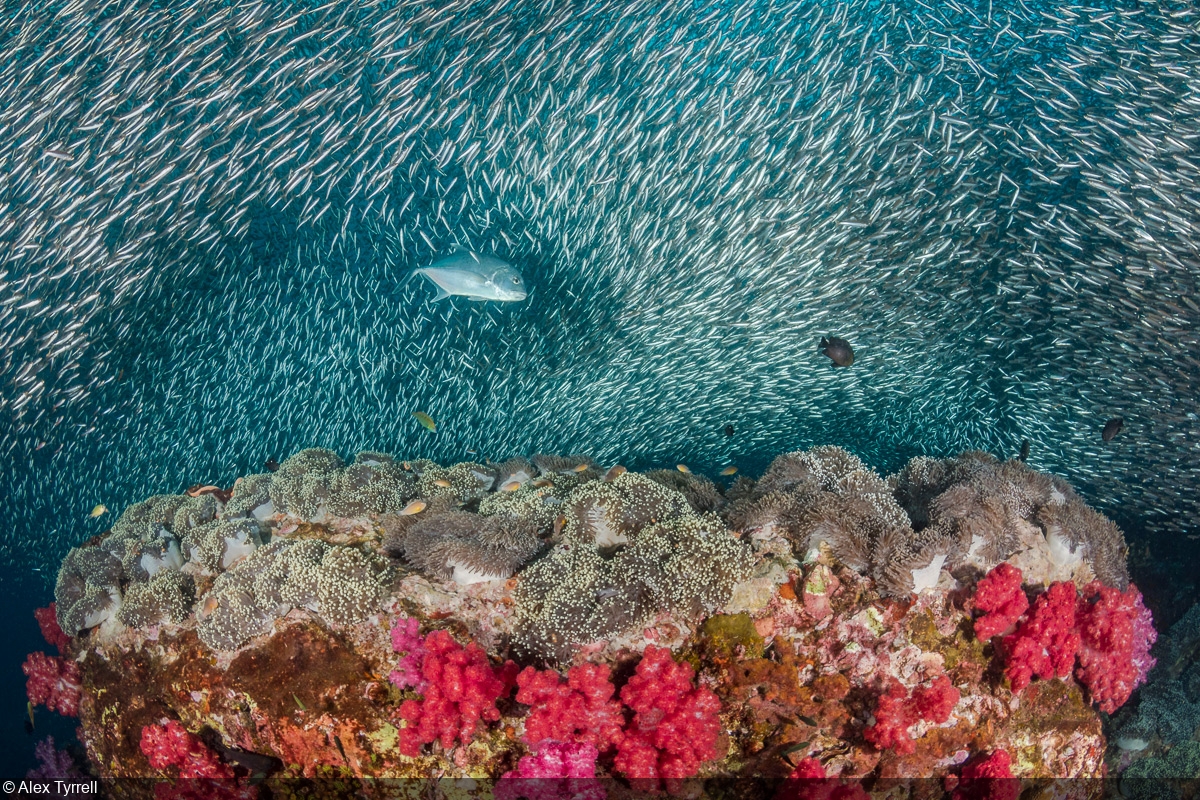
The best time to dive Curaçao is May through November — the island's off-peak season when water is warmest, crowds are thinnest, and hurricane risk is near zero. This month-by-month guide covers visibility, marine life, coral spawning, pricing, and which diver profile fits each season.
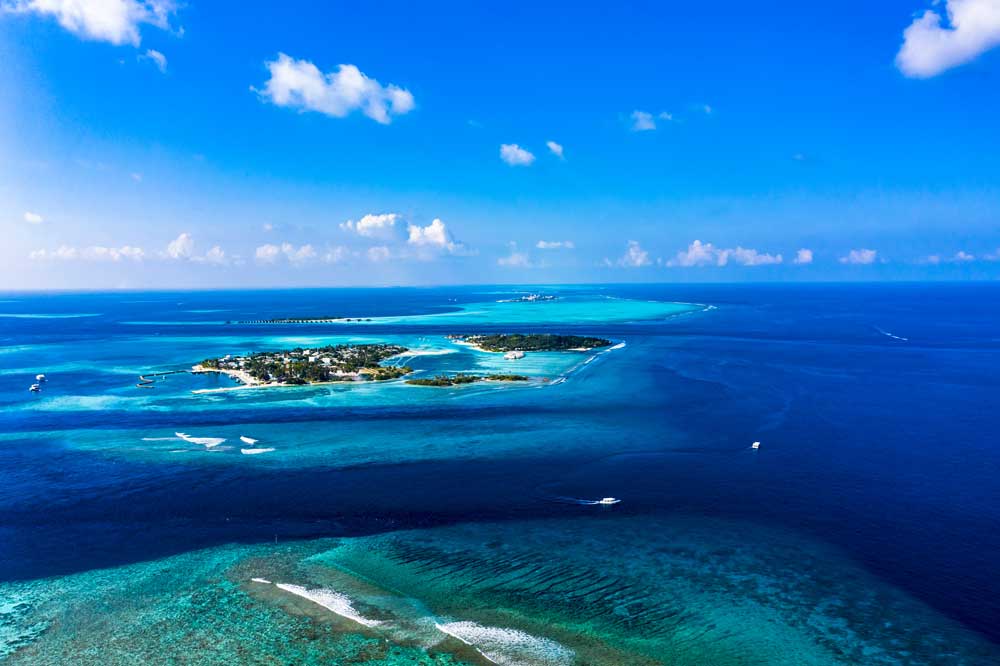
Best time to dive Maldives manta whale shark trips: we map peak windows, monsoon sides, and atolls so you can choose between manta, whale shark, or both.
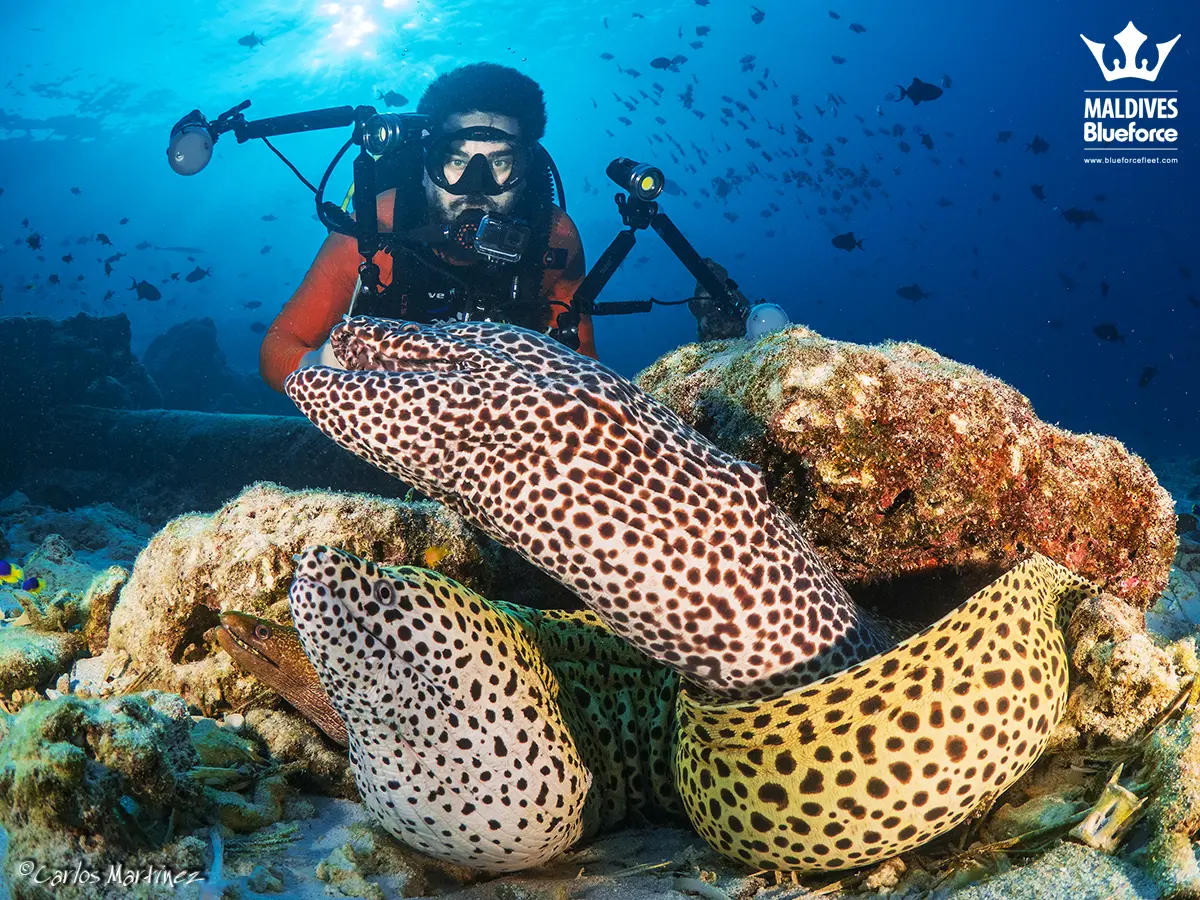
Best time to dive Maldives manta whale shark trips: we map peak windows, monsoon sides, and atolls so you can choose between manta, whale shark, or both.
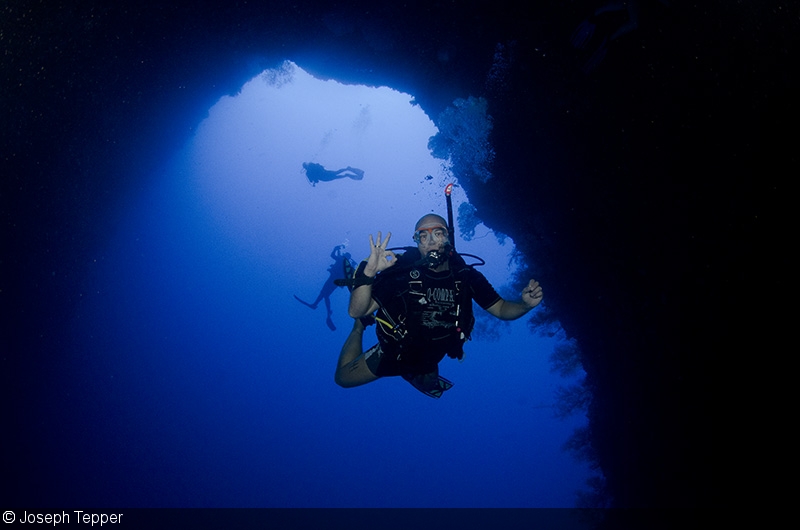
Beginner diving in Palau explained: best beginner-friendly sites, conditions, certification requirements, operators, costs, seasonality, and how to plan your first dive trip to Micronesia.
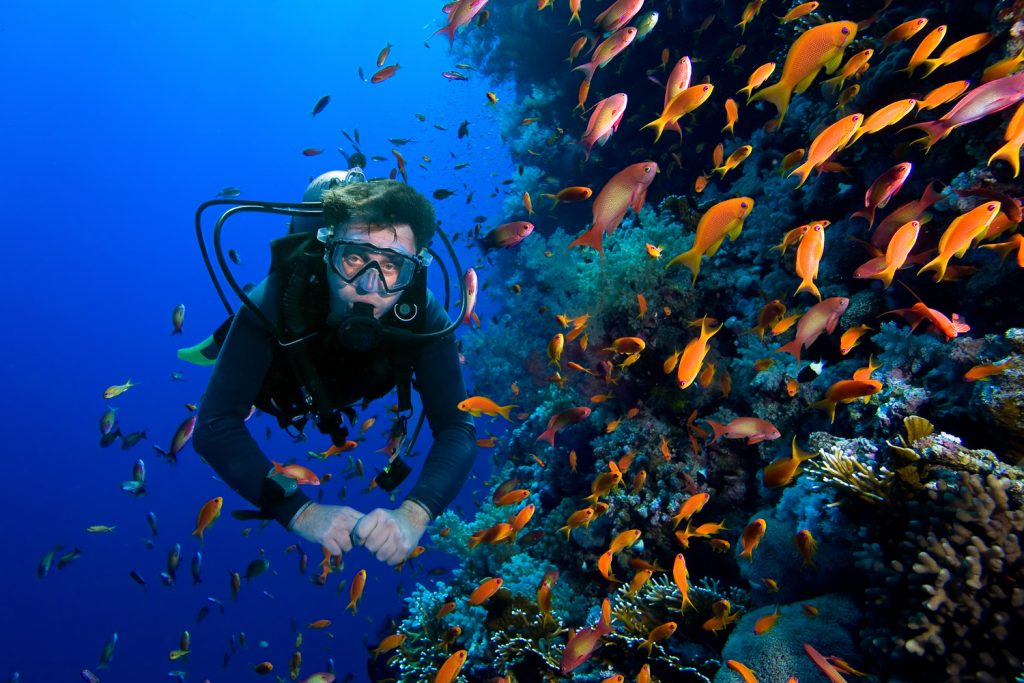
The best dive sites Bali offers for a 7-day 2026 trip: USAT Liberty, Manta Point, and Crystal Bay. Decision framework, costs, and an honest itinerary.
Okinawa vs Izu Peninsula diving compared for first-time Japan divers: visibility, marine life, logistics from Tokyo, English-friendly operators, manta season, water temperatures, and who should choose each in 2026.
Where to dive with Cocos hammerhead schools: the best dive sites at Cocos Island, peak seasons, liveaboard logistics, and how Cocos compares to Galapagos, Malpelo, and Socorro for scalloped hammerhead encounters in 2026.
Cozumel vs Cancun diving compared for first-time Caribbean divers: drift diving, visibility, reef quality, MUSA, cenotes, costs, cruise logistics, and who should choose each in 2026.
Offers

A seven-day central-atolls departure timed for manta cleaning stations, whale shark chances in South Ari, and a polished first Maldives liveaboard experience. Strong value on a flagship boat with free Nitrox and a camera-ready dive deck.
A peak-season Komodo sailing balancing northern current dives, Batu Bolong reef density, southern manta sites, and a dragon walk. Best for confident divers who want one efficient full-park itinerary.
An advanced Red Sea offshore itinerary for divers who want big blue walls, reef hooks, hammerhead potential, and oceanic whitetip seasonality without paying full luxury-rate pricing.
A high-season Darwin and Wolf departure for experienced divers chasing hammerhead schools, whale shark odds, and the full northern Galapagos circuit with a rare last-cabin discount.
A south Raja Ampat window focused on Misool soft-coral gardens, Magic Mountain manta action, and warm-water biodiversity. Early booking secures better cabins before peak Coral Triangle season fills.