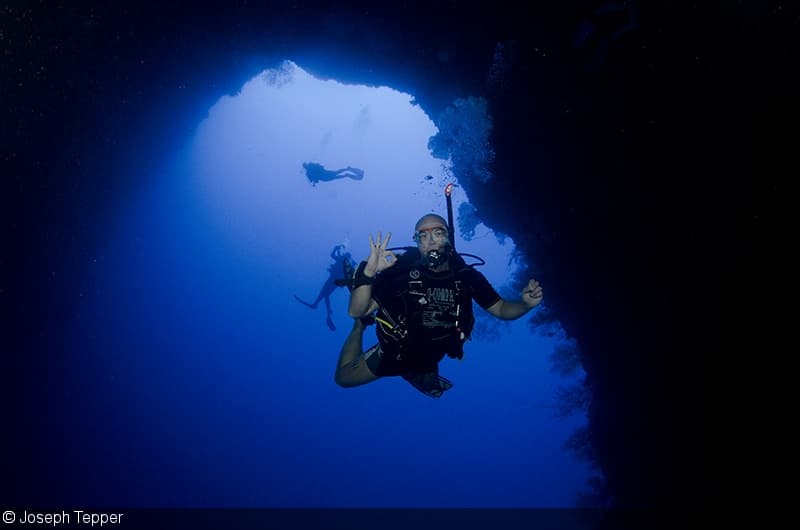
Palau sits in the western Pacific Ocean, roughly 800 kilometers east of the Philippines, and it consistently ranks among the top five dive destinations on the planet. For experienced divers, names like Blue Corner, German Channel, and the Blue Holes are bucket-list staples. For beginners, the question is different: can a newly certified diver actually enjoy Palau, or is it a destination you need to earn first?
The honest answer is that Palau is more beginner-friendly than most people assume — but only if you choose the right sites, the right season, and the right operator. The archipelago's signature dives involve strong currents, deep walls, and pelagic encounters that demand solid buoyancy and comfort in open water. However, Palau also has a set of calm, shallow, visually spectacular sites that are ideal for first-time divers. The trick is knowing which ones those are and planning your trip around them rather than trying to tackle the advanced sites on day one.
This guide covers everything a beginner needs to plan a first dive trip to Palau: which sites work for new divers, what conditions to expect, when to go, how much it costs, and how to structure a trip that builds your skills progressively across multiple days.
Why Palau Works for Beginners (With the Right Planning)
Palau's reputation as an advanced destination comes from its most famous sites. Blue Corner has powerful currents that attract grey reef sharks, Napoleon wrasse, and massive schools of jacks. German Channel is a manta cleaning station in open water. The Blue Holes descend through cathedral-like chambers to 30 meters and beyond. None of these are appropriate for a diver with fewer than 20 logged dives.
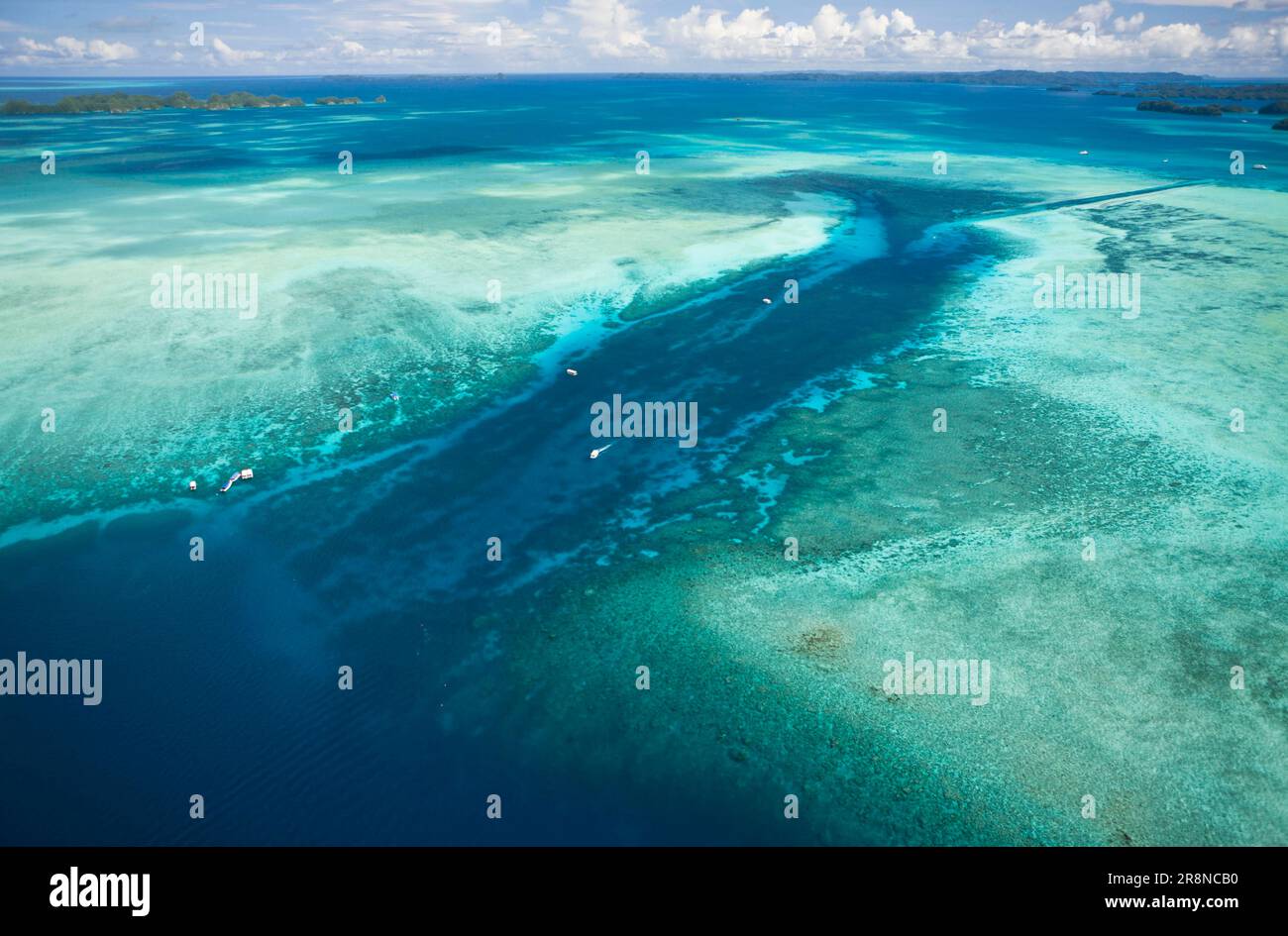
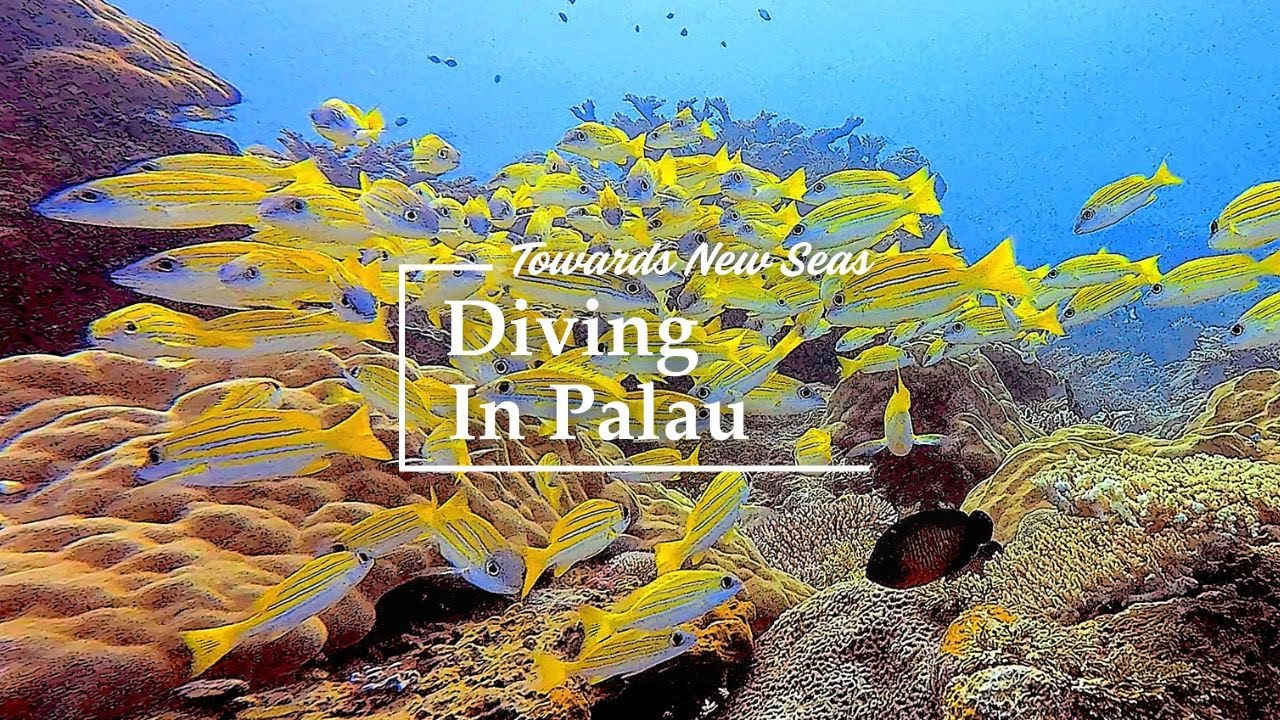
But the archipelago contains over 50 named dive sites, and a significant number of them sit at 10 to 18 meters with minimal current, excellent visibility, and rich marine life. The reef systems around Koror — the main island and hub for all dive operations — include sheltered lagoon sites, gentle slopes, and coral gardens that rival anything in Southeast Asia for visual density.
The practical reality is this: if you arrive in Palau as a newly certified Open Water diver and tell your operator exactly what you need, you will have three to four days of outstanding diving before you even consider the more advanced sites. If you are doing your Open Water certification in Palau itself, you have the advantage of learning in some of the clearest water on the planet with water temperatures that hover around 28 to 29°C year-round.
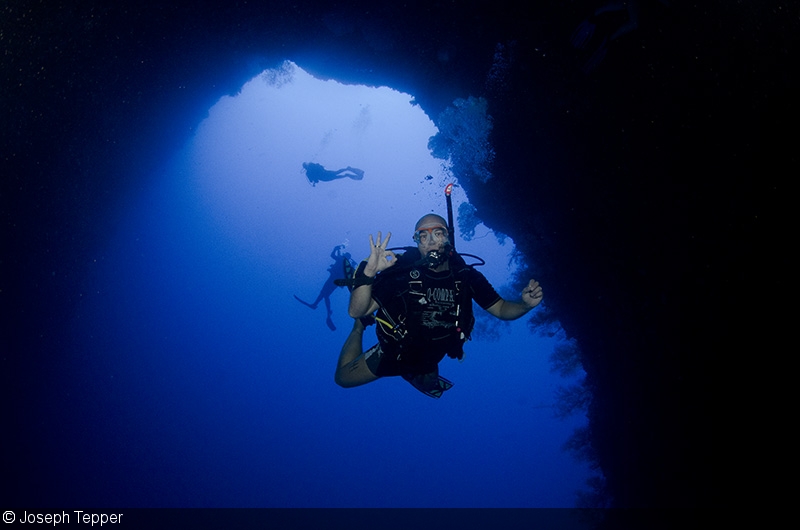
The Best Beginner-Friendly Dive Sites in Palau
Jellyfish Lake (Eil Malk Island)
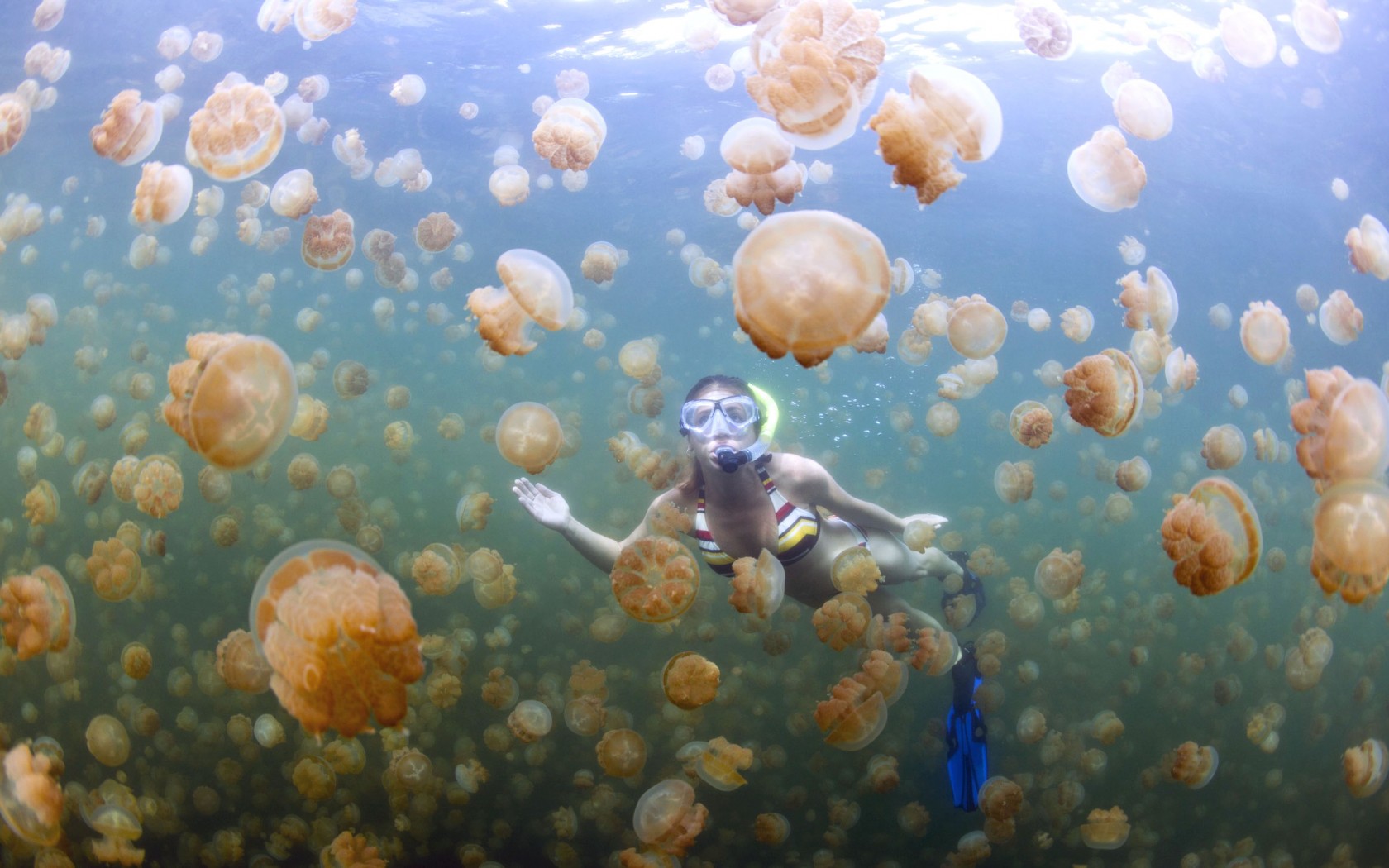
Jellyfish Lake is Palau's most famous non-dive experience, and it is technically a snorkeling site rather than a scuba site — you cannot use scuba gear here because the bubbles harm the jellyfish. However, it deserves inclusion in any beginner's itinerary because it is a genuinely unique encounter: you swim through a marine lake filled with millions of golden jellyfish that have evolved without predators and lost their ability to sting. The experience requires a short hike and a marine lake permit (included in the standard Palau dive permit), and it is suitable for anyone who can swim.
For a first-time visitor to Palau, Jellyfish Lake is often the single most memorable experience of the trip. It runs well as a half-day excursion between morning and afternoon dive sessions.
Chandelier Cave
Chandelier Cave is one of Palau's most accessible cave experiences and works well for beginners with good buoyancy control. The cave system consists of several chambers with air pockets, stalactites, and crystal-clear water. You enter at around 10 meters, swim through illuminated chambers, and can surface inside the cave to breathe in the air pockets while looking at stalactite formations overhead.
The dive itself is shallow — the deepest point is around 12 meters — and the current is negligible because the cave is sheltered. The main requirement is that you are comfortable in an overhead environment and can maintain neutral buoyancy without touching formations. Most operators will take Open Water certified divers into Chandelier Cave, though some recommend a few ocean dives first.
German Channel (Shallow Sections)
German Channel is famous as a manta ray cleaning station, and the main dive site sits at 20 to 25 meters in open water with currents that can be strong. That version is not a beginner dive. However, the channel also has shallower sections at 10 to 15 meters where you can observe the reef ecosystem without dealing with the deep-water current dynamics. Some operators offer a "German Channel light" profile that stays shallow and focuses on the coral gardens along the channel edges rather than the manta station itself.
If mantas are a priority, ask your operator about the best conditions for a shallow pass. During incoming tides, mantas sometimes move into shallower water, and an experienced dive guide can position you at a safe observation point without requiring a deep drift.
Big Drop-Off
Big Drop-Off is a wall dive, but unlike Blue Corner, it typically has mild to moderate currents and starts at a shallow depth. The wall begins at around 5 meters and drops vertically into the deep blue. For beginners, the top of the wall is the attraction: dense hard and soft corals, sea fans, anemones, and reef fish in extraordinary concentration. You can spend an entire dive between 5 and 15 meters exploring the upper wall without ever going deep.
The site is located near Koror and is a short boat ride, making it easy to include in a standard two-tank morning schedule. Current direction and strength vary, so this is a site where your guide's experience matters significantly.
Ngerchong Coral Gardens
Ngerchong, on the eastern side of Koror's lagoon, is a set of shallow coral gardens that rarely appear in dive magazine top-ten lists but are consistently rated by local operators as one of the best beginner sites in the archipelago. The reef sits at 5 to 15 meters with sandy patches between coral bommies, making it ideal for buoyancy practice. Marine life is abundant: reef fish, sea turtles, occasional blacktip reef sharks in the shallows, and excellent macro life for photographers.
The site is sheltered from prevailing currents and is commonly used for Open Water training dives and Discover Scuba sessions. If you are completing your certification in Palau, there is a strong chance you will do your open water training dives here.
Siaes Tunnel (Shallow Profile)
Siaes Tunnel is a famous advanced site when done at full depth (the tunnel entrance sits at 25 meters), but the reef above the tunnel is a different story. The top reef runs at 8 to 12 meters with beautiful hard coral formations, reef fish, and occasional turtles. Some operators offer a "Siaes Reef" profile that stays shallow and does not enter the tunnel, giving beginners access to the site's visual richness without the depth and overhead commitment.
This is worth asking about specifically. Not all operators advertise the shallow profile, but most will accommodate it if you request it in advance.
Conditions: What to Expect in Palau's Waters
Water Temperature and Visibility
Water temperature in Palau ranges from 27°C to 30°C (81°F to 86°F) year-round. A 3mm shorty wetsuit is sufficient for most divers; some experienced divers dive in just a rash guard. The warm water is a genuine advantage for beginners who are still managing thermal comfort alongside all the other new skills.
Visibility is routinely 20 to 30 meters (65 to 100 feet) and can exceed 40 meters on calm days. For comparison, many Caribbean destinations average 15 to 25 meters, and Southeast Asian sites often drop to 10 to 15 meters during plankton blooms. Palau's clarity makes it easier for beginners to maintain visual contact with their buddy, the guide, and the reef — all of which reduce stress during early dives.
Current Patterns
Current is the single most important variable for beginners in Palau. The archipelago's dive sites span a range from completely sheltered lagoon dives to open-channel drift dives with currents exceeding 2 knots. The key facts:
- Lagoon sites (Ngerchong, inner reef slopes) are typically current-free or have negligible drift.
- Outer reef sites (Big Drop-Off, Virgin Blue Hole) have mild to moderate current that varies with tide.
- Channel sites (Blue Corner, German Channel main station) have strong current that can change direction mid-dive.
Tidal charts are published by Palau's Bureau of Tourism and are available from any dive operator. Experienced operators plan their daily schedule around tides, hitting sites when the current is favorable. As a beginner, your operator should be doing this planning for you — if they are not, find a different shop.
Boat Rides and Surface Conditions
Most dive sites are reached by boat in 20 to 60 minutes from Koror. The lagoon is generally calm, but the open ocean passages between rock islands can be choppy, especially during the transition months of May and November. If you are prone to seasickness, bring medication and take it before boarding. The boat rides are part of the experience — Palau's Rock Islands are visually stunning from the surface — but they can be uncomfortable on rough days.
When to Go: Seasonality for Beginners
Palau has two distinct seasons that affect diving conditions:
Dry season (November to April) is the best time for beginners. Visibility is at its peak, rainfall is minimal, and surface conditions are generally calm. Water temperature is slightly cooler at 27°C to 28°C, but still warm by any standard. December through March is the peak season for manta rays at German Channel and also coincides with the annual aggregation of reef sharks at Blue Corner — though beginners should observe this from a safe distance or on a shallow reef dive nearby.
Wet season (May to October) brings warmer water (up to 30°C), more plankton, occasional reduced visibility, and a higher chance of afternoon squalls. The plankton attracts manta rays and whale sharks, which is a draw for experienced divers, but the conditions can be less predictable for beginners. July and August are the wettest months and the least beginner-friendly.
For a first dive trip to Palau, January through March is the ideal window: dry conditions, excellent visibility, manta season, and comfortable temperatures. If those months do not work, November, December, and April are also strong.
Getting Certified in Palau
Palau is a viable — and in some ways excellent — place to complete your Open Water certification. Several operators in Koror offer full PADI and SSI Open Water courses, typically over three to four days. The advantages of certifying in Palau rather than at home or at a cheaper destination:
- Water clarity: Training in 30-meter visibility builds confidence faster than training in murky water.
- Marine life density: Your open water training dives will include encounters with reef fish, turtles, and corals that many divers travel thousands of kilometers to see.
- Warm water: No thermal stress to manage alongside new skills.
- Small class sizes: Palau operators typically run very small groups (2 to 4 students), giving you more instructor attention than busy resort destinations.
The disadvantage is cost: Open Water certification in Palau runs $500 to $700, compared to $300 to $400 in Southeast Asia or $600 to $800 in the United States. If you are already traveling to Palau, the marginal cost of certifying there versus certifying elsewhere and then traveling is often negligible.
If you are already certified and want to advance, Palau also offers Advanced Open Water, Rescue Diver, and specialty courses. The Advanced Open Water course is particularly worth doing here because the deep dive and navigation dive components take place on genuinely spectacular sites.
Practical Planning: Operators, Costs, and Logistics
Dive Operators
Koror has a well-established dive industry with operators ranging from boutique guide services to larger multi-boat operations. For beginners, the most important selection criteria are:
- Small group sizes: Ask for a maximum of 4 divers per guide. Palau's sites reward close supervision, especially for newer divers.
- Site flexibility: A good operator will plan your dives around your skill level and the day's tides, not force you onto a fixed schedule.
- Briefing quality: Pre-dive briefings should cover current direction, entry/exit procedures, maximum depth, and what to do if you get separated. If the briefing is permissive, the operation is permissive.
Reputable operators include Sam's Tours, Palau Pacific Divers, Fish 'n Fins, and NECO Marine. All offer beginner-appropriate scheduling when you communicate your experience level clearly. Most operators run two-tank morning dives and optional single-tank afternoon dives.
Costs
Diving in Palau is not cheap, but it is not the most expensive Pacific destination either. Expect the following in 2026:
- Two-tank morning dive trip: $150 to $200 per person, including tanks, weights, and guide.
- Single-tank afternoon dive: $80 to $100.
- Equipment rental (full set): $25 to $40 per day.
- Palau dive permit (mandatory): $50 for 10 days, covering Rock Islands and Jellyfish Lake access.
- Nitrox (if certified): $10 to $15 per tank surcharge.
A typical beginner itinerary of 4 days diving (8 to 10 dives total) runs approximately $800 to $1,200 in dive costs, plus equipment rental if needed.
Getting There
Palau's Roman Tmetuchl International Airport (ROR) receives flights from several Asian hubs:
- From Taipei: Direct flights via China Airlines (approximately 4 hours).
- From Seoul: Direct flights via Korean Air and Asiana (approximately 4.5 hours).
- From Tokyo: Seasonal direct flights and connections via Manila or Taipei.
- From Manila: Philippine Airlines and occasional charter flights (approximately 3.5 hours).
There are no direct flights from the Americas, Europe, or Australia. Most visitors route through Taipei, Seoul, or Manila. Flight costs from Asia range from $400 to $800 round-trip depending on season and booking lead time.
Accommodation
Koror is the main hub and where all dive operators are based. Accommodation ranges from budget guesthouses ($50 to $80 per night) to mid-range hotels ($120 to $200) to the luxury Palau Pacific Resort ($300 to $600). For a dive-focused trip, a mid-range hotel within walking distance of the main dive docks is the most practical choice. Most operators include hotel pickup and drop-off as part of the dive package.
Structuring a Beginner's First Trip to Palau
A well-planned beginner itinerary in Palau looks different from an advanced diver's schedule. Here is a recommended 5-day structure:
Day 1: Arrive, settle in, pick up dive permit, meet your operator. If energy permits, do a late-afternoon orientation dive at a sheltered lagoon site.
Day 2: Two-tank morning dive at beginner sites — Ngerchong Coral Gardens and Big Drop-Off (shallow profile). Afternoon: Jellyfish Lake snorkel excursion.
Day 3: Two-tank morning dive — Chandelier Cave and a sheltered reef site. Afternoon rest or a second single-tank dive at a shallow site.
Day 4: Two-tank morning dive — ask for German Channel shallow profile or Siaes Reef. By this point you have 6 to 8 dives logged and your comfort level should be noticeably higher. Afternoon: explore Koror or do a cultural excursion.
Day 5: Two-tank morning dive — if your buoyancy and current comfort have improved, consider asking for a mild-current version of a more advanced site. This is where your guide's judgment matters. Afternoon departure or additional dives if your schedule allows.
This schedule gives you 8 to 10 dives across five days, with a progressive increase in site complexity that matches your improving skills.
Practical Planning FAQ
Do I need to be certified to dive in Palau?
Yes, for scuba diving you need at minimum an Open Water Diver certification (PADI, SSI, or equivalent). However, several operators offer Discover Scuba Diving experiences for uncertified participants, which include a shallow pool/confined water session followed by a guided shallow ocean dive to 10 to 12 meters. If you want to get certified in Palau, full Open Water courses are available over three to four days.
Is Palau safe for beginners?
Palau's dive industry is well-regulated and safety standards are high. The risk for beginners comes from site selection, not from the operators themselves. If you clearly communicate your experience level and ask for beginner-appropriate sites, the safety record is excellent. The marine lake permits, dive permits, and operator licensing all contribute to a well-managed diving environment.
How many dives should I have before going to Palau?
You can enjoy Palau as a newly certified Open Water diver with zero logged dives beyond your certification course. However, if you can log 5 to 10 local dives before your trip — getting comfortable with your buoyancy, trim, and air consumption — you will enjoy the experience significantly more. The more comfortable you are in the water, the more of Palau's sites become accessible to you.
What about sharks?
Palau has abundant reef sharks, particularly grey reef sharks and blacktip reef sharks. On beginner sites, shark encounters are occasional and typically involve small blacktips in shallow water — they are shy and pose no threat to divers. Grey reef sharks are more common at deeper sites with current. Your guide will manage the interaction and ensure you are positioned safely. Palau is a shark sanctuary, and the healthy shark population is one of the destination's greatest assets.
Can I combine Palau with other Micronesian destinations?
Yes, though logistics require planning. Yap (known for manta rays) is a short flight from Palau. Guam has direct flights and is a common transit point. The Marshall Islands and Federated States of Micronesia (Pohnpei, Chuuk) are accessible but require more complex routing. For a first trip, focusing entirely on Palau is the most practical approach — the archipelago has enough variety to fill two weeks of diving without repeating sites.
What gear should I bring versus rent?
Bring your own mask, dive computer, and wetsuit or rash guard if you have them — personal fit matters most for these items. Renting tanks, BCDs, and regulators from the operator is fine; Palau's operators maintain their rental gear to a high standard. If you are doing a multi-day trip, having your own computer is particularly valuable for tracking your nitrogen loading across progressive dive depths.
Related MantaraDive Planning Links
- Palau Liveaboard vs Resort: Which Style Fits Your Trip?
- Blue Holes of Palau: A Complete Guide for Divers
- Five Essential Beginner Tips for Your First Tropical Dive Trip
- Philippines Diving for Beginners
- Maldives Diving for Beginners
- Cozumel vs Cancun for First-Time Caribbean Divers
- Explore Palau Destination Guide