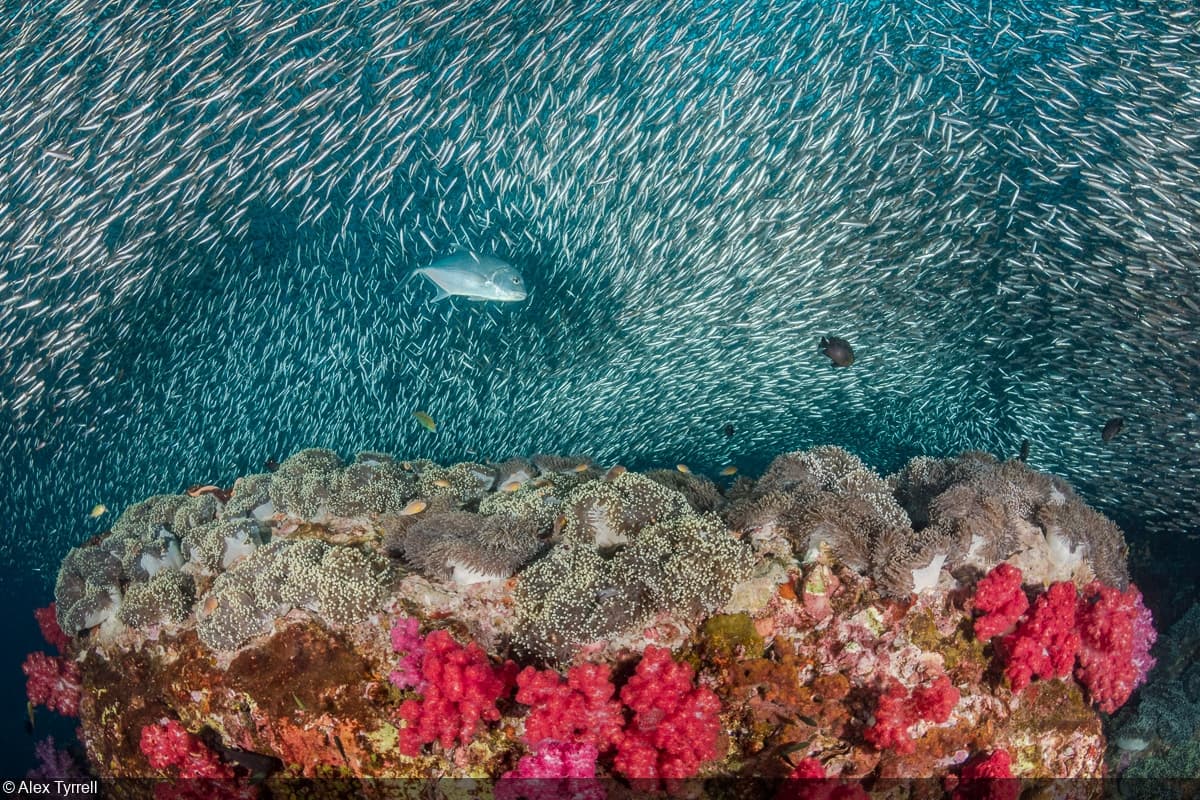
Japan is not the first country that comes to mind when most people think about scuba diving. That is starting to change. The combination of world-class marine biodiversity, exceptionally well-run dive operations, and a culture that treats safety as non-negotiable has made Japan an increasingly popular destination for divers who want something different from Southeast Asia. The question every first-time Japan diver faces is deceptively simple: Okinawa or Izu?
Okinawa is the tropical south — subtropical reefs, manta rays, turquoise water, and the feeling of diving in a different country entirely. Izu Peninsula is the accessible option — a rugged volcanic coastline two to three hours from Tokyo with surprisingly rich marine life and a dive culture that runs deep. Both are excellent. Neither is universally better. The right choice depends on what kind of trip you want, how much time you have, and what marine encounters matter most.
This article compares them honestly, the way a dive buddy would, so you can book the right first Japan dive trip.
Why This Comparison Matters
We reviewed PADI Japan destination guidance, Japan Coast Guard marine data, current operator pages, recent English-language trip reports from ScubaBoard and Divezone, and Japan Meteorological Agency sea-temperature records. The goal is not to crown the prettiest reef. It is to identify the better Japan dive destination for a first-time visitor based on accessibility from Tokyo, visibility reliability, marine life quality, English-language operator availability, water temperature comfort, and how forgiving each destination is when weather or logistics do not cooperate.
The Short Answer
MantaraDive recommends Okinawa for most first-time Japan dive trips if you can spare the extra flight time. The marine life is more diverse, the water is warmer, the visibility is more consistent, and the Ishigaki manta experience is one of the best in the world. Izu is the better choice if you are short on time, flying into Tokyo, or want diving woven into a broader Japan cultural itinerary without adding an internal flight.
| Priority | Best hub | Why it wins |
|---|---|---|
| Maximum marine life diversity | Okinawa | Subtropical reefs, manta rays, sea turtles, and 400+ reef fish species around the Kerama Islands. |
| Closest to Tokyo | Izu | 2-3 hours by train from Tokyo Station; no internal flight required. |
| Manta ray encounters | Okinawa (Ishigaki) | Kabira Bay manta cleaning stations offer reliable encounters May-November. |
| Best visibility | Okinawa (Kerama) | 30-50 meter visibility is standard in the Kerama Islands; Izu averages 15-25 meters. |
| English-speaking operators | Okinawa | More operators cater to international tourists; Izu has fewer but growing English support. |
| Year-round diving | Okinawa | Water temperatures range 21-29°C; Izu drops to 13-16°C in winter. |
| Cultural trip integration | Izu | Easy to combine with Tokyo, Hakone, Mt. Fuji, and onsen towns. |
| Best single underwater spectacle | Okinawa (Kerama) | Zamami Island's coral gardens with sea turtles on nearly every dive. |
The honest caveat: Izu is not a lesser dive destination — it is a different one. The cold-water diving brings unique encounters (giant isopods, spider crabs, seasonal sunfish) that Okinawa cannot match. But for a first-time Japan diver who wants warm water, clear visibility, and the highest probability of memorable marine encounters, Okinawa is the cleaner answer.
Okinawa: Best First Choice for Tropical Japan Diving
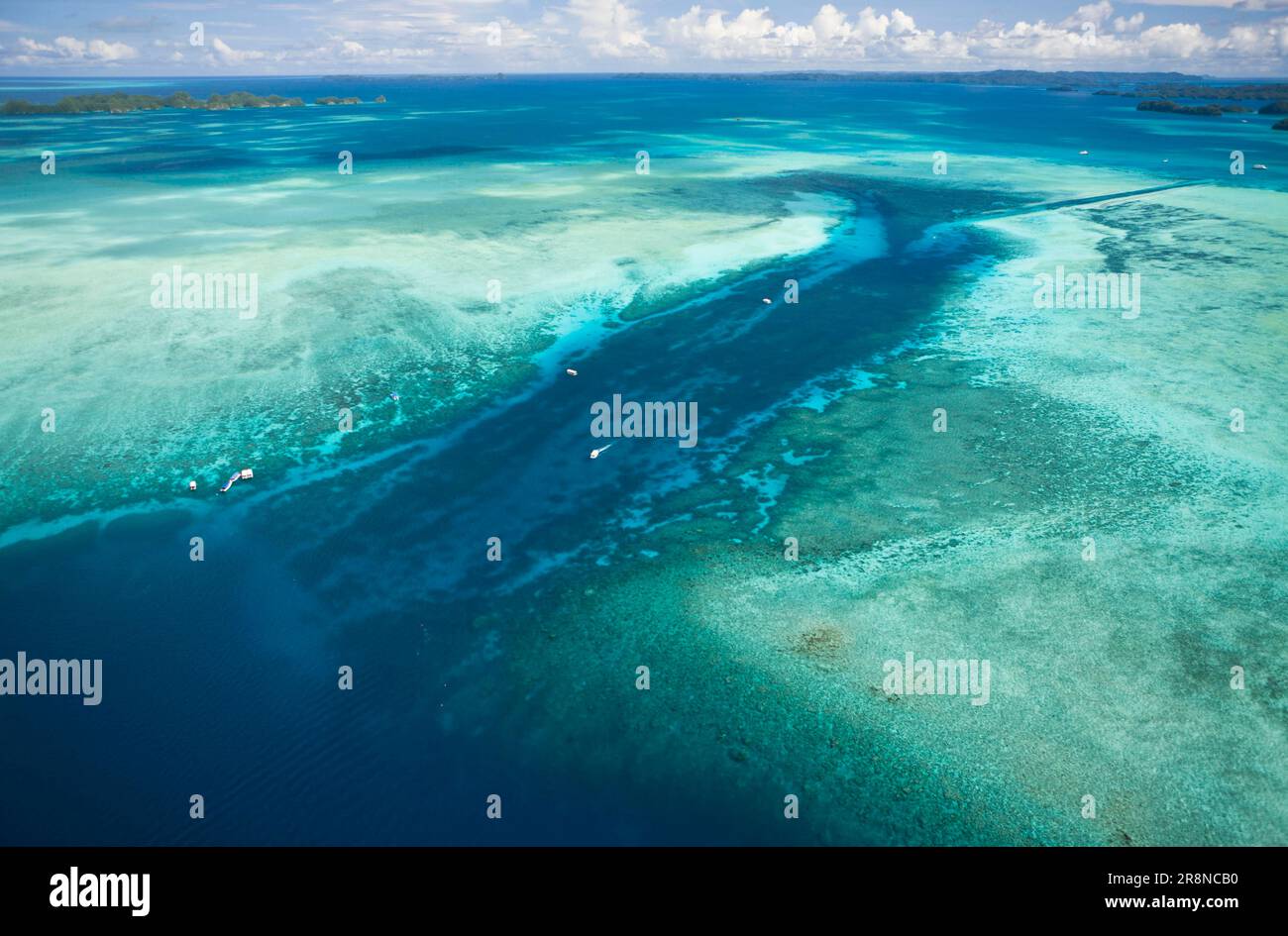
Okinawa is Japan's subtropical archipelago, stretching over 1,000 kilometers from the main island south toward Taiwan. For divers, the action concentrates in three areas: the main island (Okinawa-hontō), the Kerama Islands (30 minutes by boat from Naha), and Ishigaki Island in the Yaeyama group (a short flight southwest).
The Kerama Islands: Japan's Best Reef Diving
The Kerama Islands — Zamami, Tokashiki, Aka, and Geruma — form the core of Kerama Shoto National Park. The marine park status means the reefs are protected, and the results are visible: hard coral coverage is among the healthiest in all of Japan, and the fish life is prolific.
Zamami Island is the most popular base. Furuzamami Beach and its surrounding dive sites offer coral gardens starting at 5 meters, with walls dropping to 25-30 meters. Sea turtles are almost guaranteed — the Kerama population is resident, not migratory, and guides know their cleaning stations and resting spots. Two-tank boat dives from Zamami cost ¥12,000-18,000 (approximately $80-120 USD), including equipment rental.
Tokashiki Island has Aharen Beach, which offers similar reef quality with slightly fewer tourists. The Tokashiku drift dive along the island's east side is a highlight for intermediate divers — moderate current carries you past coral walls with frequent turtle and ray sightings.
Visibility in the Kerama Islands is exceptional by any standard. 30 meters is average; 40-50 meters is common on calm days. The water is clear because the islands sit in the open Pacific, away from the sediment runoff that affects mainland coastlines. This is the kind of visibility that changes how you think about underwater environments.
Ishigaki and the Manta Experience
Ishigaki Island in the Yaeyama group is famous for one thing: manta rays. The cleaning stations at Kabira Bay and nearby sites attract reef mantas (typically 3-4 meter wingspans) from May through November. Encounters are not guaranteed, but the success rate is high — operators report manta sightings on 70-80% of trips during peak season.
The manta experience at Ishigaki is different from Maldives or Socorro. The mantas are smaller, the water is warmer (26-29°C in summer), and the cleaning stations are shallow (8-15 meters), which means longer observation times and better photography conditions. You hover at a respectful distance and watch the mantas cycle through their cleaning routine — circling, hovering, returning. It is mesmerizing.
Beyond mantas, Ishigaki offers coral reefs, schooling pelagics, and the famous "Sango" (coral) gardens at Manta Scramble and other sites. Two-tank dives from Ishigaki cost ¥15,000-22,000 ($100-150 USD), reflecting the boat distance to manta sites.
Okinawa Main Island
Okinawa-hontō (the main island) has decent diving but is not the primary draw for underwater-focused trips. The best sites are on the west coast — Cape Maeda (famous for the Blue Cave/Blue Grotto), Sunabe Seawall, and the Kerama ferry points. The Blue Cave is a shallow cavern with light effects that is popular with snorkelers and Discover Scuba Diving participants. It can be crowded.
For serious divers, the main island is better as a logistics hub — fly into Naha, dive the Kerama Islands by day trip, and use the evenings for Naha's restaurants, Kokusai Street, and Shuri Castle.
Okinawa Dive Operators and English Support
Okinawa has the strongest English-language dive operator network in Japan. Several operators in Naha and on Zamami cater specifically to international visitors:
- Kerama Diving Center (Zamami) — long-established, English-speaking guides available, small groups.
- Marine House Seaside (Zamami) — popular with international tourists, flexible scheduling.
- Poseidon Divers (Ishigaki) — manta specialist, English-speaking staff, reasonable pricing.
- Jack Diving Club (Ishigaki) — experienced manta guides, good equipment, clear briefings in English.
- Blue Cave Diving (Okinawa main island) — Blue Cave specialist, English support, beginner-friendly.
Most Okinawa operators provide equipment rental, insurance, and multilingual briefings. Booking in English via email or LINE (Japan's dominant messaging app) is straightforward with the operators listed above.
Okinawa Logistics
Getting there: Fly from Tokyo Haneda or Narita to Naha (Okinawa) — approximately 2.5 hours, flights from ¥10,000-25,000 ($70-170 USD) one-way on ANA, JAL, Peach, or Jetstar Japan. For Ishigaki, add a 1-hour domestic flight from Naha, or fly direct from Tokyo (seasonal).
Best season: April through November for the warmest water and best visibility. December through March is cooler (21-23°C) but still diveable with a 5-7mm wetsuit or drysuit. Manta season at Ishigaki runs May through November, peaking July-October.
Water temperature: 23-29°C (73-84°F) in summer; 21-23°C (70-73°F) in winter.
Non-diving days: Okinawa offers a distinct cultural experience — Shuri Castle (UNESCO World Heritage), Churaumi Aquarium, local cuisine (Okinawa soba, goya champuru, taco rice), beaches, and a relaxed island atmosphere that feels different from mainland Japan.
Izu Peninsula: Best for Tokyo-Based Divers and Short Trips
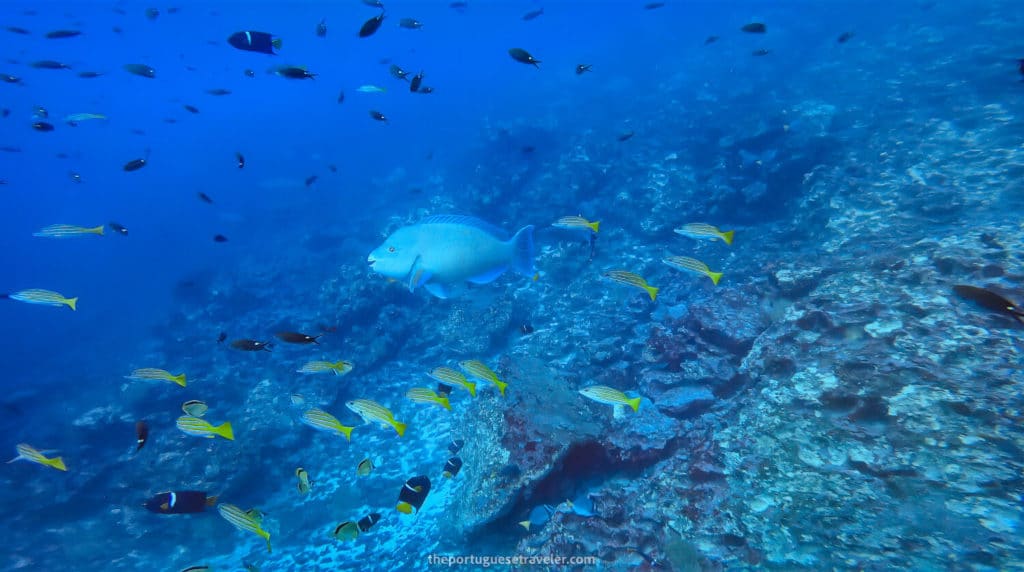
Izu Peninsula juts into the Pacific Ocean about 100 kilometers southwest of Tokyo. It is Japan's most accessible quality diving destination and has a dive culture that stretches back decades. The volcanic coastline creates dramatic underwater topography — walls, pinnacles, swim-throughs, and boulder fields — and the Kuroshio Current brings warm water and subtropical species further north than you would expect.
Izu Dive Sites
Atami and Ito (eastern Izu) are the closest dive sites to Tokyo — about 90 minutes by Shinkansen from Tokyo Station. The diving here is primarily rocky reef with seasonal highlights: tropical fish arrive with the Kuroshio Current in summer, and the area is known for encounters with giant spider crabs (Macrocheira kaempferi) in late winter and early spring.
Izu Shoto (Izu Islands) — the Seven Islands stretching south from Izu Peninsula — offer the best diving in the region. Hachijojima (8 hours by ferry or 50 minutes by plane from Tokyo) has tropical diving comparable to Okinawa in summer, with resident sea turtles and clear water. Miyakejima (6 hours by ferry) is known for its volcanic underwater landscapes and schooling fish. Oshima is the closest island, about 2 hours by fast ferry from Tokyo.
Nishi-Izu (western Izu) has the popular Dogashima area with sea caves and the "blue grotto" — a cavern with striking light effects similar to Okinawa's Blue Cave but less crowded.
Kumomi on the southeast coast is a favorite among experienced Japanese divers. The exposed coastline means stronger currents but also cleaner water and more pelagic encounters. Not ideal for first-timers unless conditions are calm.
Izu's Unique Marine Life
Izu's position at the edge of the Kuroshio Current creates a mix of temperate and tropical species that is genuinely unusual:
- Giant spider crabs (January-April) — Izu is one of the easiest places in the world to see these prehistoric-looking creatures.
- Ocean sunfish/Mola mola (July-October) — the Kuroshio brings these bizarre fish close to the coast.
- Tropical reef fish (June-November) — butterflyfish, angelfish, and other species ride the current north.
- Giant isopods — rare but recorded at deeper sites around the islands.
- Sea turtles — resident populations around the islands, especially Hachijojima.
The trade-off: Izu's marine life is seasonal and less predictable than Okinawa's. Summer brings tropical species; winter is temperate and colder. Visibility ranges 15-25 meters in summer, dropping to 10-15 meters in winter. You might see something extraordinary, or you might see a rocky reef with kelp and the occasional crab.
Izu Dive Operators and English Support
Izu's dive operator scene is heavily Japanese-oriented. English support exists but is less widespread than Okinawa:
- Izu Dive Resort (Atami) — one of the more foreigner-friendly operations, English website available.
- Dive Zone Ito — caters to some international visitors, basic English support.
- Hachijojima operators — limited English but the island's dive community is welcoming and accommodating.
Booking in advance is essential, especially on weekends and holidays. Many operators require Japanese language ability or a Japanese-speaking companion. For English-only speakers, Okinawa is significantly easier to navigate.
Izu Logistics
Getting there: From Tokyo Station, take the JR Tokaido Shinkansen to Atami (45 minutes, ¥4,000/$27 USD) or the JR Ito Line to Ito (100 minutes, ¥2,000/$13 USD). For the Izu Islands, ferries depart from Takeshiba Pier in central Tokyo (2-8 hours depending on island) or Haneda Airport has short flights to Oshima, Miyakejima, and Hachijojima.
Best season: May through October for warmest water and tropical species. July-September is peak season (24-26°C water). Winter diving (November-March) is cold (13-16°C) and requires drysuits or thick wetsuits — not recommended for first-time Japan divers.
Water temperature: 24-26°C (75-79°F) in summer; 13-16°C (55-61°F) in winter.
Non-diving days: Izu is famous for onsen (hot springs) — Atami, Ito, and Dogashima all have excellent ryokan with ocean-view baths. The peninsula also offers hiking, the Jogasaki Coast cliff trail, wasabi farms, and fresh seafood. It integrates seamlessly into a Tokyo-Hakone-Fuji itinerary.
Head-to-Head: The Factors That Actually Matter
Visibility
Okinawa wins decisively. The Kerama Islands average 30-50 meters visibility; Ishigaki averages 25-35 meters. Izu's summer visibility is 15-25 meters, and winter drops below 15 meters. For a first-time Japan diver who wants to see the reef in its full glory, Okinawa's clarity is in a different league.
Marine Life Diversity
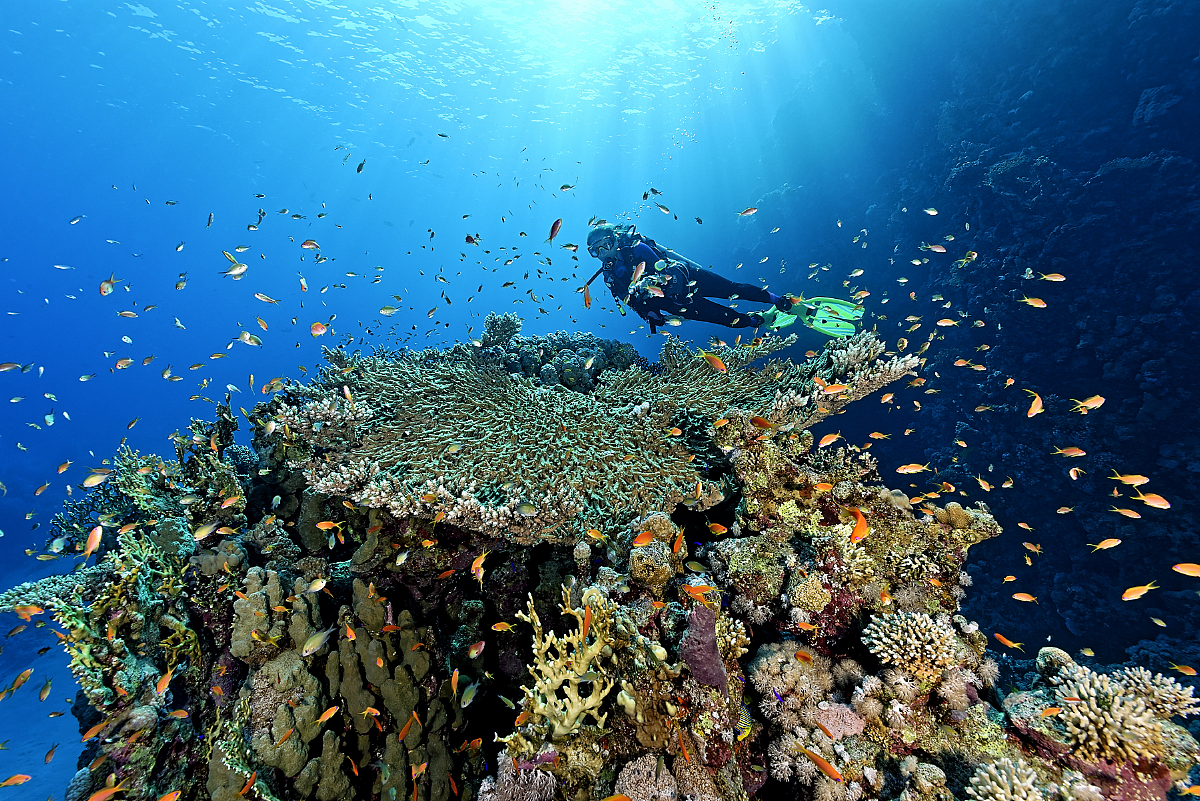
Okinawa wins. The subtropical reefs support 400+ fish species, resident sea turtles, manta rays, reef sharks, and healthy coral ecosystems. Izu has unique cold-water highlights (spider crabs, sunfish) but lower overall reef biodiversity and seasonal unpredictability.
Water Temperature
Okinawa wins for comfort. Year-round diving at 21-29°C means a 3mm shorty in summer and a 5-7mm in winter. Izu's summer is comfortable (24-26°C) but winter diving (13-16°C) requires drysuit certification or serious cold-water tolerance — not appropriate for most first-time Japan divers.
Ease of Access from Tokyo
Izu wins. Two to three hours by train versus a 2.5-hour flight plus transfers. If your Japan trip is based in Tokyo and you have only 1-2 days for diving, Izu is the practical choice. Okinawa requires a dedicated segment of your itinerary.
English-Language Support
Okinawa wins. More operators with English-speaking staff, English websites, and experience working with international tourists. Izu's operator scene is more Japanese-centric, which can be a barrier for English-only visitors.
Cost
Comparable, with nuances. Okinawa requires an internal flight (¥10,000-25,000 one-way), but dive prices are similar to Izu (¥12,000-22,000 per two-tank day). Accommodation ranges are comparable. The total cost difference is primarily the Okinawa flight — roughly $150-350 USD round trip.
Cultural Integration
Izu wins. The peninsula is a natural extension of a Tokyo itinerary — add Hakone, Mt. Fuji, and onsen towns without changing your base region. Okinawa requires a separate flight and has a distinct cultural identity that feels more like visiting a different country within Japan.
Best Single Dive Experience
Okinawa wins. The manta ray encounters at Ishigaki or the sea turtle dives at Zamami's coral gardens are world-class. Izu's spider crab encounters and sunfish sightings are unique but less reliable and less visually spectacular for most divers.
Who Should Choose Okinawa
- First-time Japan divers who want warm water, clear visibility, and the best reef experience.
- Divers specifically interested in manta ray encounters (Ishigaki).
- Travelers who can dedicate 4-7 days to diving within a longer Japan trip.
- Underwater photographers who want the best visibility and marine life.
- Divers who prefer tropical reef environments over temperate rocky coasts.
- Anyone who values English-language operator support.
Who Should Choose Izu
- Tokyo-based travelers with only 1-2 days available for diving.
- Divers interested in unique cold-water marine life (spider crabs, sunfish).
- Travelers who want diving integrated into a broader Tokyo-Hakone-Fuji cultural itinerary.
- Experienced cold-water divers who enjoy temperate diving.
- Budget-conscious travelers who want to avoid an internal flight.
- Onsen enthusiasts who want to combine diving with hot spring culture.
The Combined Trip: Why Not Both?
For divers with 10+ days in Japan, combining both is ideal. Spend 3-4 days diving Izu from Tokyo (Atami, Ito, or a quick trip to Hachijojima), then fly to Okinawa for 4-5 days of reef diving and manta encounters at Ishigaki. You get the accessibility and cultural integration of Izu plus the world-class marine life of Okinawa.
Internal flights from Tokyo to Naha run frequently and can be booked for ¥8,000-15,000 ($55-100 USD) one-way on budget carriers. This two-region itinerary covers both of Japan's diving identities in a single trip.
Sources
- PADI Travel — Japan destination guide and dive site information
- Japan Meteorological Agency — sea temperature and weather records for Okinawa and Izu
- Kerama Shoto National Park — marine park regulations and conservation data
- ScubaBoard and Divezone — English-language trip reports for Okinawa and Izu diving
- Japan National Tourism Organization (JNTO) — travel logistics and transportation information
- Individual dive operator websites — pricing, English support availability, and scheduling