Verified
The route advice was specific enough to change our dates, and that made the trip. We saw exactly the marine life we had planned around. Raja Ampat — Indonesia felt like the right recommendation, not just the available one.
Contact us
Tell us a bit about your trip. A specialist will reply within the hour.
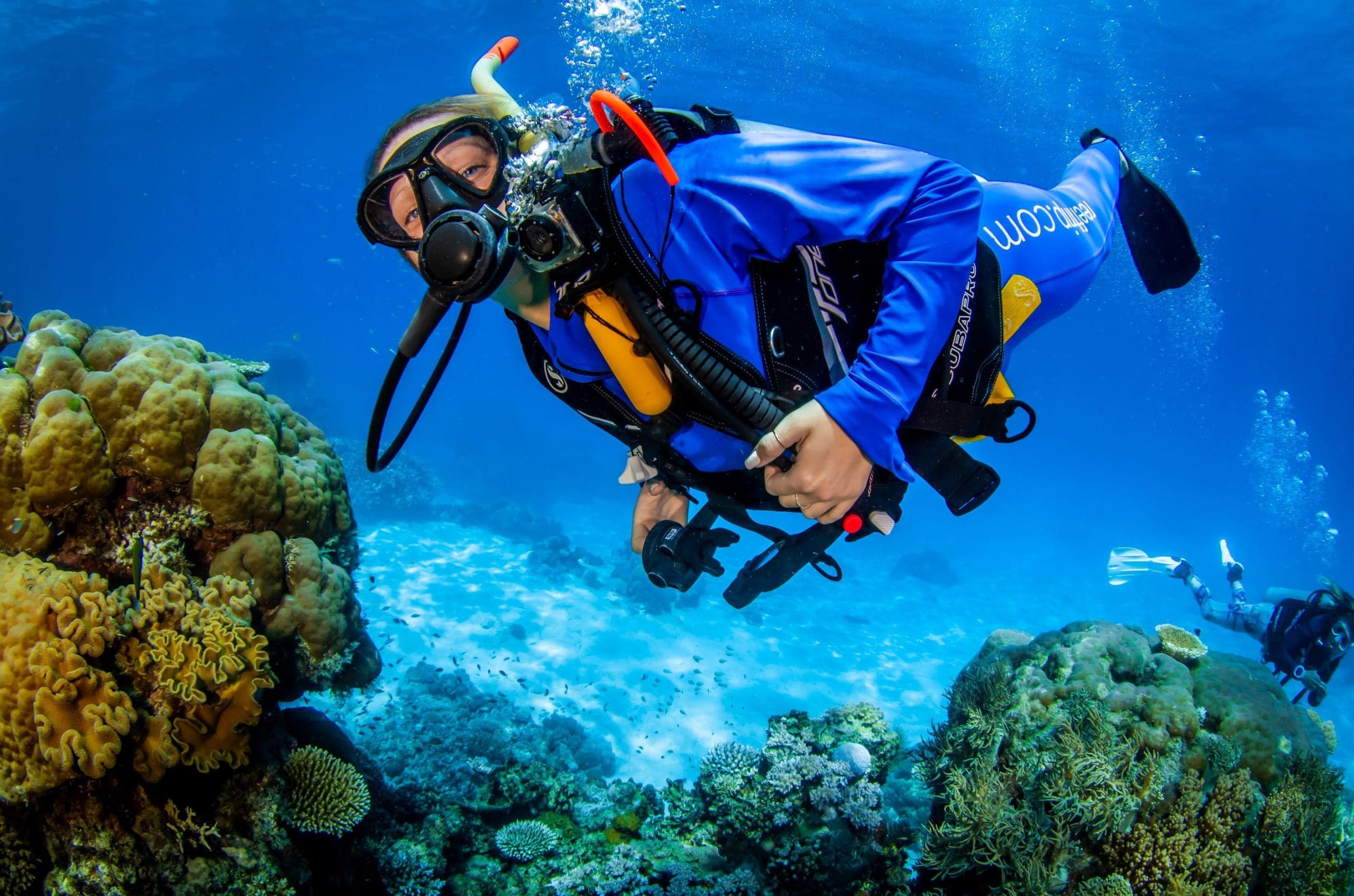
Coral Triangle
Indonesia
Raja Ampat, at the northwestern tip of West Papua, holds the highest recorded marine biodiversity on the planet — over 1,600 species of fish and 75% of all known coral species live within…
Best season
Oct, Nov, Dec, Jan, Feb, Mar, Apr
Difficulty
AOWIntermediate
Typical price
$3,200–$7,200
Field notes
A quick visual pass across the destination and related liveaboard imagery.
Diver reviews
4.8
356 reviews
The route advice was specific enough to change our dates, and that made the trip. We saw exactly the marine life we had planned around. Raja Ampat — Indonesia felt like the right recommendation, not just the available one.
Clear, practical guidance before booking. The boat matched our certification level and comfort expectations very closely. Raja Ampat — Indonesia felt like the right recommendation, not just the available one.
The specialist notes were honest about tradeoffs, currents, cabins, and season. It felt like someone had actually done the homework. Raja Ampat — Indonesia felt like the right recommendation, not just the available one.
Dive intelligence
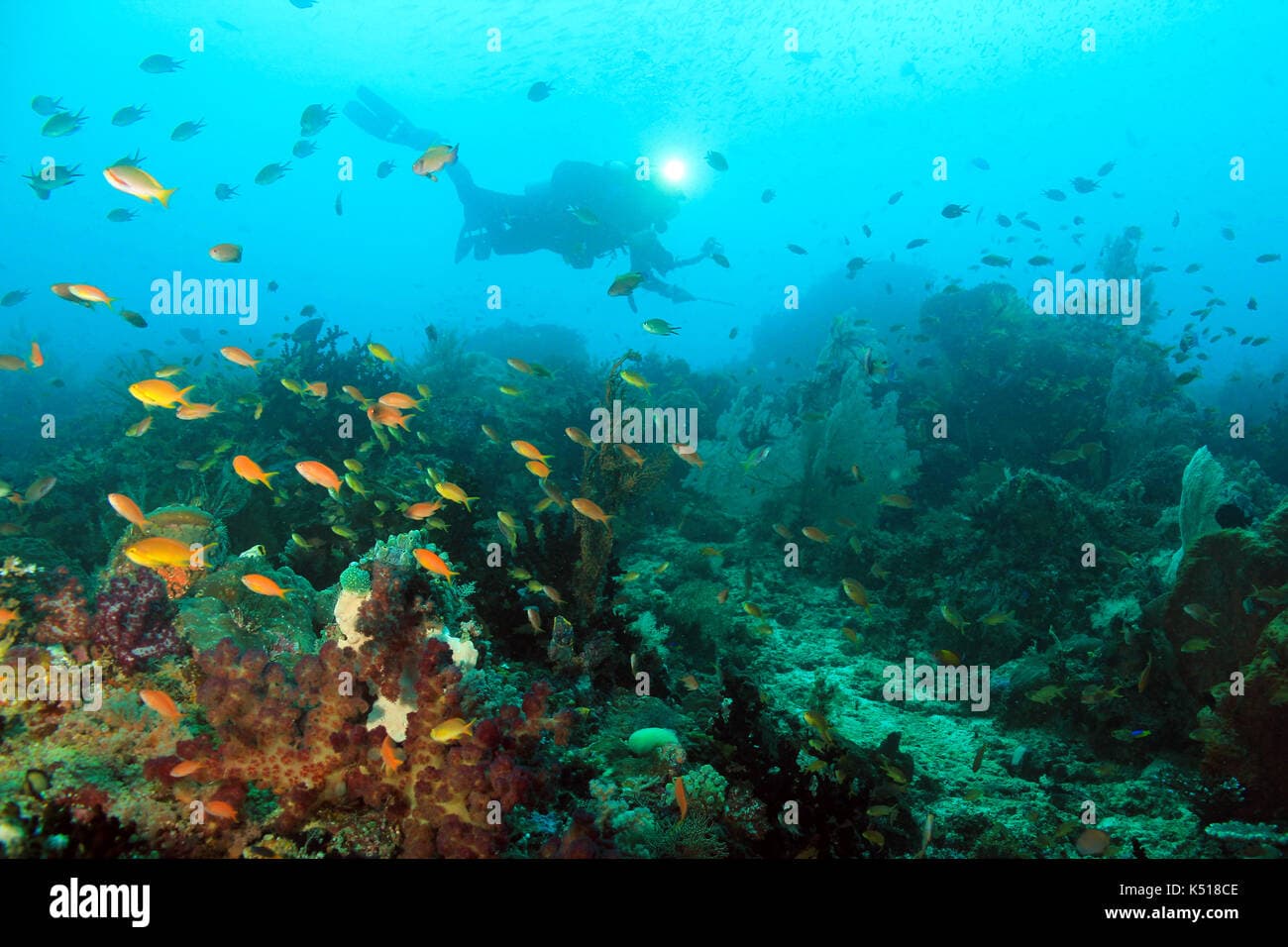
Raja Ampat, at the northwestern tip of West Papua, holds the highest recorded marine biodiversity on the planet — over 1,600 species of fish and 75% of all known coral species live within its four main island groups. Liveaboards running Raja Ampat cover the Dampier Strait (schooling fish, wobbegong sharks, pygmy seahorses) and the Misool region in the south (soft coral gardens, manta cleaning stations, oceanic mantas on Magic Mountain). Water is warm (28–30°C year-round), visibility varies 10–30 m depending on plankton, and most sites are suitable for intermediate divers, though a few channels carry strong currents. The season runs October–April when seas are calmest; the north continues to dive year-round.
Why go now
Raja Ampat — Indonesia is strongest when your trip timing, comfort with conditions, and boat style line up. Prioritize Oct, Nov, Dec, Jan, Feb, Mar, Apr for the cleanest planning window, then use the liveaboard shortlist below to match route, cabin comfort, and budget.
Route intelligence
Phase A exposes the destination hierarchy as structured, linkable planning pages: destination → route → dive site.
2 routes · 10 sites
5–25m · reef wall drift
5–30m · cleaning station
5–18m · coral garden
5–20m · cleaning station
5–25m · reef

5–25m · wall arch
5–30m · seamount
2–15m · jetty macro
5–30m · reef drift
5–40m · wall
Curated boats
A short starting set for comparing cabins, route style, and onboard comfort before a specialist narrows the fit.
 Raja Ampat — Indonesia112 reviews
Paradiso Expeditions
42 m · 18 guests · rated 4.9/5
from $4,200 / person
View boat Raja Ampat — Indonesia76 reviews
Misool Cruises
30 m · 14 guests · rated 4.9/5
from $3,800 / person
View boatRaja Ampat — Indonesia168 reviewsDampier Dive Cruises
36 m · 20 guests · rated 4.6/5
from $3,000 / person
View boatField notes
Practical reading for planning timing, conditions, and the tradeoffs that matter before you book.
destination
A data-driven comparison of Wakatobi, Raja Ampat, and Alor — three of Indonesia's most remote and biodiverse dive destinations. We break down marine life, logistics, costs, and diving conditions to help you pick the right reef.
Read field note
destination
A 2026 guide to Lembeh Strait diving for macro photographers, including muck sites, critters, seasons, resort setup, camera tips, costs, and Lembeh vs Anilao.
Read field note
planning
A practical 2026 guide to Komodo liveaboard prices, from budget cabins to luxury phinisi, with real add-ons, park fees, and upgrades worth paying for.
Read field note
destination
Compare Philippines (Tubbataha), Maldives, and Raja Ampat liveaboards by price, season, and dive style to pick the right trip for your budget and skill.
Read field note
Planning FAQ
October, November, December, January, February, March, April are the strongest planning months for Raja Ampat — Indonesia, based on the destination seasonality and liveaboard routing used by MantaraDive specialists.
Typical trips run about $3,200-$7,200 USD per person. Final pricing depends on cabin category, route length, inclusions, and seasonal demand.
The headline encounters include highest marine biodiversity on earth, oceanic mantas at magic mountain, wobbegong and epaulette sharks. Exact sightings vary by month, current, and route.
Advanced Open Water or confident Open Water divers with current and drift experience will get the most out of the signature sites.
Most divers should plan 7-10 days including arrival buffer, liveaboard embarkation, diving, and no-fly time after the final dive.