
Three destinations. Three versions of the Indo-Pacific liveaboard dream. One vacation budget. Every diver who has done their first liveaboard—whether it was a Similan Islands loop, a Komodo run, or a Red Sea circuit—eventually faces the same three-way fork: Philippines (Tubbataha), Maldives, or Raja Ampat. The marketing from each destination sounds interchangeable—"pristine reefs," "pelagic megafauna," "bucket-list diving"—but the actual experiences are profoundly different, the price tags span a wide range, the seasons barely overlap, and the wrong match between diver skill and destination demand can turn a dream trip into an expensive lesson.
We pulled 2026 pricing from LiveAboard.com, Bluewater Dive Travel, ZuBlu, and individual operator sites; cross-referenced season windows and encounter data from Master Liveaboards, Spirit Liveaboards, and the Maldives Whale Shark Research Programme; and synthesized roughly 150 ScubaBoard, Reddit r/scuba, and Tripadvisor trip reports comparing these three destinations head-to-head. What follows is a decision framework, not a brochure: real numbers, honest trade-offs, and a pick-X-if matrix that matches your specific profile to the right destination.
The Three Destinations at a Glance
Before diving into specifics, here is the high-level comparison that frames every decision below.
| Factor | Philippines (Tubbataha) | Maldives | Raja Ampat |
|---|---|---|---|
| Liveaboard season | March–June only | Year-round (best Nov–Apr) | Oct–Apr (central/north); year-round (Misool south) |
| 7-night mid-range vessel fare | $2,500–$4,000 | $2,000–$4,000 | $3,500–$4,500 |
| All-in estimate (per diver, 7 nights, US/EU origin) | $3,500–$8,500 | $3,500–$9,000 | $5,500–$12,800 |
| Signature encounter | Sharks, turtles, pristine coral biomass | Mantas, whale sharks, tiger sharks (Fuvahmulah) | Reef biodiversity world record; mantas, sharks |
| Current difficulty | Moderate; drift-friendly | Moderate to strong; reef-hook diving common | Strong; reef-hook mandatory at headline sites |
| Minimum recommended experience | OW, 20+ dives | AOW, 30+ dives | AOW, 50–75+ dives |
| Visibility (typical) | 20–30 m | 15–30 m (season-dependent) | 25–30 m |
| Water temperature | 27–30 °C | 26–30 °C | 26–30 °C |
Sources: LiveAboard.com (2026 listings), La Galigo Liveaboard cost guide (2025/2026), Spirit Liveaboards (2026 season guide), Master Liveaboards (2025), ZuBlu, Bluewater Dive Travel, Seadoors Liveaboard, Divers Cove.
Destination 1: Philippines — Tubbataha Reef
Why It's on the List
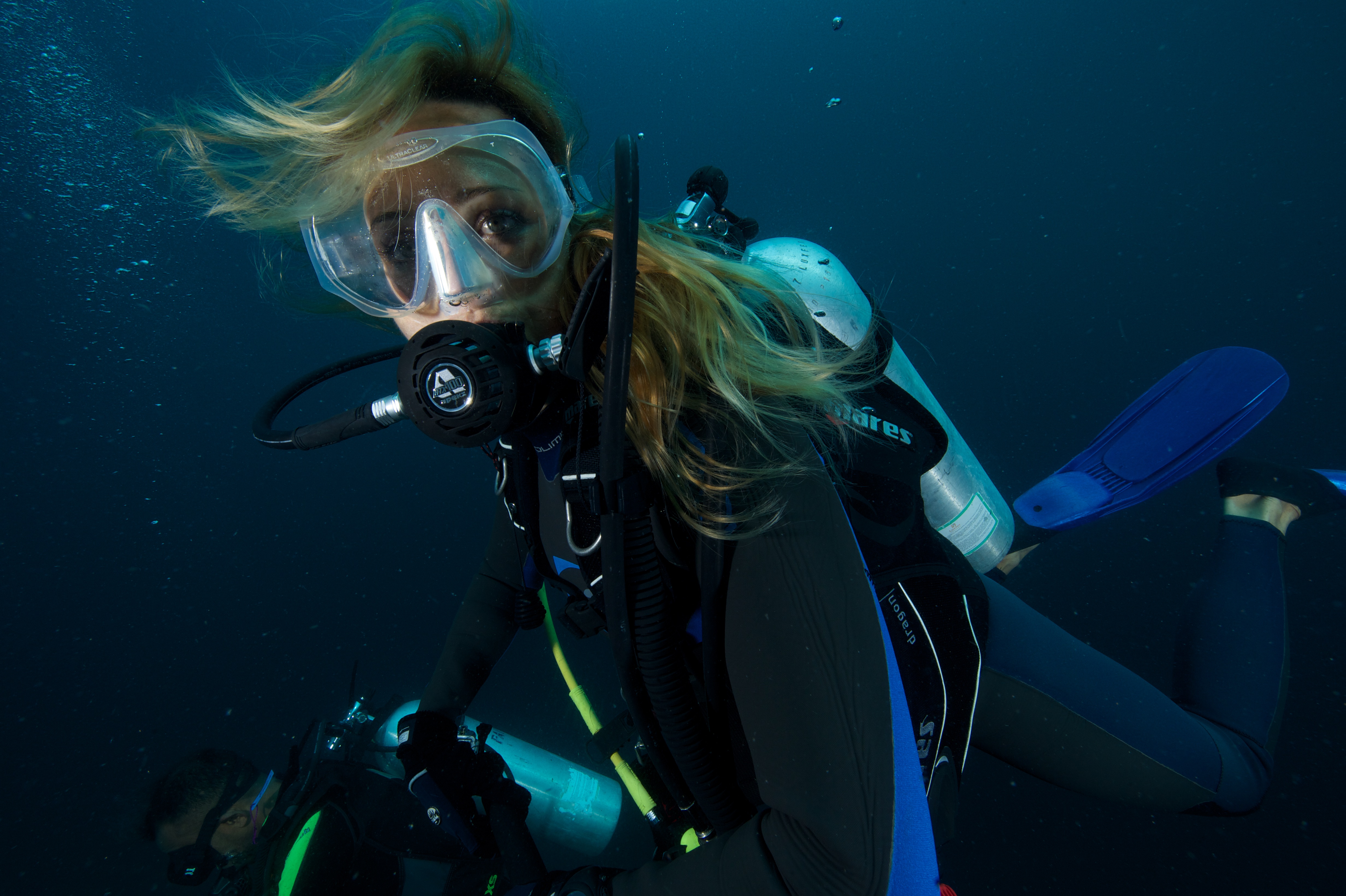
Tubbataha Reefs Natural Park is a UNESCO World Heritage Site accessible exclusively by liveaboard, open for roughly three months each year (mid-March through mid-June), and protected by a strict visitor cap that keeps the reef in what multiple trip reports describe as "extraordinary" condition. The park covers approximately 100,000 hectares of the Sulu Sea, and the limited operating window means the reef gets 9–10 months of uninterrupted recovery every year—a conservation model no other destination on this list replicates (LiveAboard.com; ZuBlu).
The Dive Sites
Shark Airport (North Atoll). A massive cleaning station where grey reef sharks, whitetip reef sharks, silky sharks, and occasional guitar sharks stack up in numbers that trip reports consistently describe as "staggering." Whale sharks pass through seasonally. The site also draws rays and large schools of trevally (LiveAboard.com; ZuBlu).
Ko-ok (South Atoll). Famous for hammerhead schools, jack tornadoes, and a pristine coral plateau. This is the site Tubbataha regulars name as the single best dive in the Philippines when conditions align (LiveAboard.com; ScubaBoard).
Jessie Beazley Reef. A smaller outlier reef northwest of the main atolls with branching Acropora coral fields, hammerheads, grey reef sharks, and occasional whale sharks. Strong currents require attentive diving (LiveAboard.com).
The Numbers
- Vessel fare: $1,845–$7,704 per person for 6–7 nights, depending on vessel and cabin class (LiveAboard.com; ZCuba World; Seadoors Liveaboard; ZuBlu). The mid-range sweet spot sits around $2,500–$4,000.
- Park fee: Approximately $120 USD per person, collected onboard (Nomadic Scuba; LiveAboard.com).
- Season window: Mid-March through mid-June. This is the narrowest operating window of any destination on this list—roughly 14 weeks per year (LiveAboard.com; ZuBlu).
- Dive count: 3–4 dives per day, 18–24 dives on a standard 7-night itinerary.
- International flights (illustrative): $800–$1,500 from the US West Coast; $600–$1,200 from Europe via Manila or Cebu. Domestic leg Manila–Puerto Princesa adds $50–$120 round-trip on Cebu Pacific or Philippine Airlines (LiveAboard.com).
Honest Caveats
Tubbataha is the weakest of the three for manta ray encounters. Whale sharks and hammerheads are present but not guaranteed—multiple trip reports note "bad luck" days with neither (ScubaBoard). The site's strength is coral biomass, shark density at cleaning stations, and the overall reef health that comes from a decade-plus of strict protection, not reliable megafauna aggregations. If your primary goal is guaranteed manta or whale shark encounters, the Maldives is a better bet.
The narrow season window is also a real constraint. If your travel calendar does not align with March through June, Tubbataha is simply unavailable. Weather within the window is generally calm, but late June departures occasionally encounter deteriorating conditions (LiveAboard.com).
Destination 2: Maldives
Why It's on the List
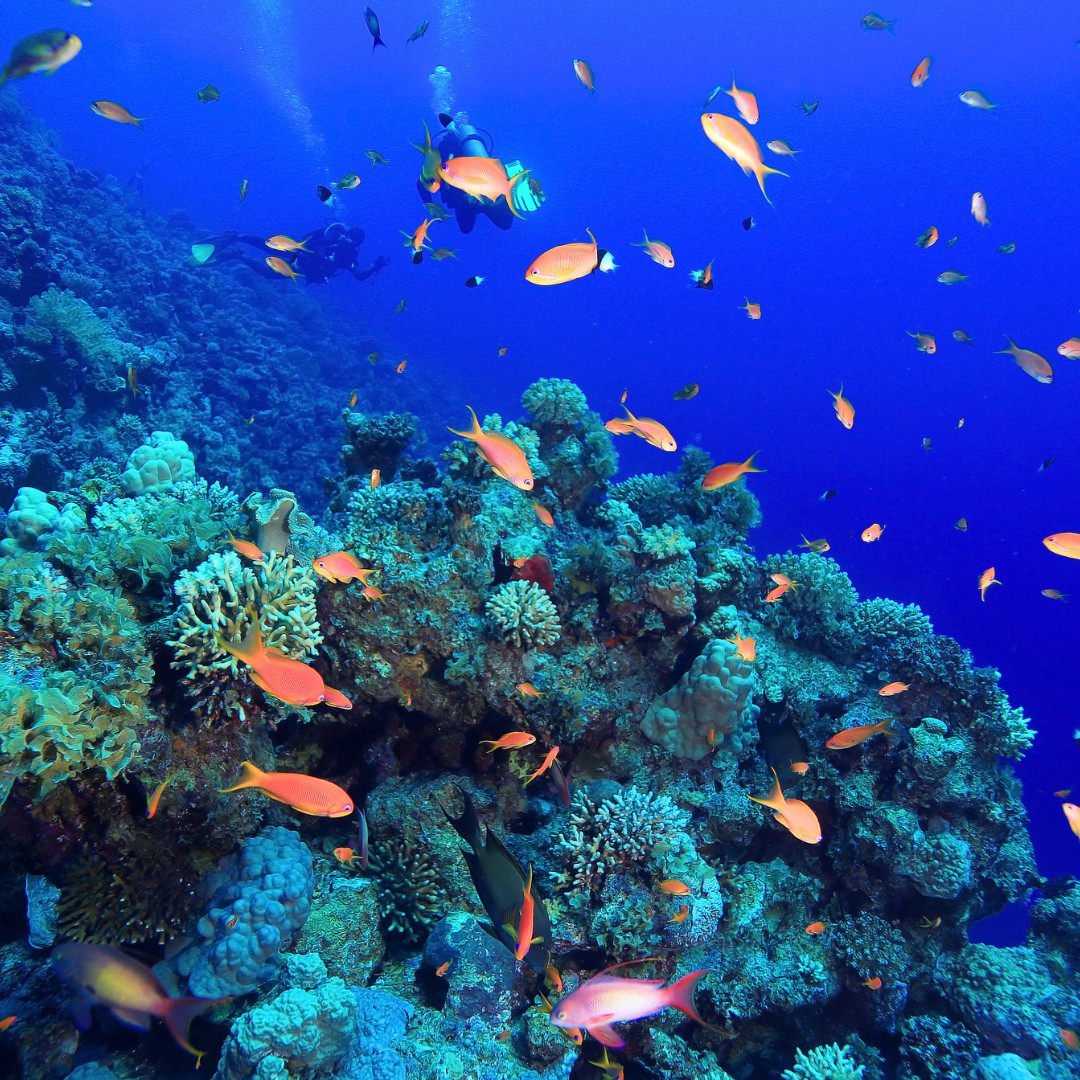
The Maldives hosts the world's largest known population of reef manta rays (Mobula alfredi) and offers year-round whale shark encounters at South Ari Atoll—a combination no other destination on this list matches (Master Liveaboards; Maldives Whale Shark Research Programme). The Deep South itinerary to Fuvahmulah adds tiger sharks, thresher sharks, and oceanic manta rays to the menu. For divers whose primary goal is pelagic megafauna, the Maldives is the strongest single pick on this list.
The Dive Sites
Hanifaru Bay (Baa Atoll). A UNESCO Biosphere Reserve where the funnel-shaped lagoon traps plankton during the southwest monsoon (May–November), creating aggregations of up to 100 manta rays at a time alongside whale sharks. The spectacle is strictly snorkeling-only—no scuba permitted in the lagoon—but it remains one of the greatest wildlife events in the ocean (Master Liveaboards; Spirit Liveaboards). Peak activity: July–August.
Maaya Thila (Ari Atoll). Widely regarded as the Maldives' single best dive site—a submerged pinnacle where whitetip reef sharks, grey reef sharks, moray eels, and large schools of fusiliers converge. Strong currents demand reef-hook technique and drift-diving competence (LiveAboard.com).
Fuvahmulah (Deep South). The Maldives' answer to Tiger Beach. Dedicated tiger shark encounters at sites like Gahaa Kandu and Thoondu Point, plus thresher sharks and oceanic manta rays. Requires Advanced Open Water certification and a minimum of 100 logged dives on most Deep South itineraries (Spirit Liveaboards; LiveAboard.com; Traveltodive.com).
The Numbers
- Vessel fare: $1,050–$5,950 per person for 7-night trips (LiveAboard.com). Budget central-atoll itineraries start under $1,400; luxury vessels run $3,500–$5,000+.
- Mandatory fees: Green Tax of $12 USD per person per night ($84 on a 7-night trip); Hanifaru Bay park entrance $20 USD; fuel surcharge $10–$15 per night (LiveAboard.com).
- Season windows: Year-round diving, but the experience varies dramatically. November–April (northeast monsoon) brings the best visibility at 25–30 m+ and is the window for Deep South/Fuvahmulah tiger shark itineraries. May–October (southwest monsoon) drops visibility to 10–15 m at Hanifaru Bay but delivers the peak manta aggregations (Spirit Liveaboards).
- Dive count: 3 dives per day typical; night dives limited by current conditions.
- International flights: Direct flights from Dubai, Singapore, Colombo, and major European hubs. Flight times: 13+ hours from the UK/Germany, approximately 20 hours from the US West Coast via Singapore. Male (Hulhule) is the universal departure port (LiveAboard.com).
Honest Caveats
The Maldives is the weakest of the three for coral health and reef biodiversity. A recurring theme in ScubaBoard and Reddit r/scuba trip reports is that coral quality is "disappointing" and "mostly broken/bleached" compared to Raja Ampat or Tubbataha (ScubaBoard; Reddit r/scuba). The Maldives' strength is large-animal encounters on a pelagic canvas—not reef photography.
Currents are no joke. Channel dives in the atolls require reef-hook technique, negative entries, and comfort at 25–30 m. Several recent trip reports flag that dive-lead quality is inconsistent—"incorrectly briefed the current 50% of the time" on one October 2025 trip (Reddit r/scuba). The Deep South itineraries are firmly advanced-diver territory.
The Hanifaru Bay experience is snorkel-only. Divers who book a Maldives trip expecting to scuba-dive with 100 mantas will be redirected to a snorkel platform. This is a meaningful distinction that catches some planners off-guard (Master Liveaboards).
Destination 3: Raja Ampat (Indonesia)
Why It's on the List
Raja Ampat is, by independent scientific measure, the most biodiverse marine ecosystem on Earth. Dr. Gerald R. Allen logged 374 distinct fish species on a single 90-minute dive at Cape Kri in 2012—a record that still stands (Reef Life Survey; Papua Diving). The archipelago supports more than 1,500 documented fish species and 75% of all known coral species worldwide (Reef Life Survey; Papua Diving Resorts). For reef biodiversity per square meter, nothing on this list—nothing on the planet—competes.
The Dive Sites
Cape Kri (Dampier Strait). The world-record site. Currents converge at the channel between Kri and Koh, funneling grey reef sharks, blacktip and whitetip reef sharks, wobbegongs, and large barracuda and trevally aggregations. Reef hooks are mandatory; this is intermediate-to-advanced diving (Papua Diving; DiveIn.com).
Blue Magic. A submerged pinnacle rising from approximately 30 m to 7 m, functioning as a manta ray cleaning station. Mantas commonly pass within arm's reach. Gorgonian sea fans, reef sharks, and schooling barracuda complete the scene (DiveIn.com; Papua Diving).
Misool (south Raja Ampat). The "kaleidoscope" diving Raja Ampat is famous for—rainbow soft corals at sites like Boo Windows, swim-throughs, and oceanic-plus-reef mantas at Shadow Reef's cleaning station. Macro depth pays off: pygmy seahorses, ghost pipefish, and rare nudibranchs are routinely logged (LiveAboard.com; DiveIn.com). The April 2026 trip report from Simon Mustoe confirms oceanic manta rays and bumphead parrotfish encounters on recent Misool itineraries.
The Numbers
- Vessel fare: $1,700–$2,800 (budget), $2,900–$4,500 (mid-range), $5,000–$7,000+ (luxury) per person for 7-night trips (La Galigo Liveaboard, 2025/2026 cost guide). The mid-range tier ($3,500–$4,500) represents the best value-to-comfort ratio.
- Marine park fee: IDR 1,000,000 (~$62 USD) for international visitors as of 2025; plus a separate visitor entry ticket totaling approximately $105–$112 combined (La Galigo; Ocean Earth Travels). Fees must be pre-registered online before the trip (Stay Raja Ampat).
- Season window: October–April for central and northern routes (Dampier Strait, Wayag). Misool in the south operates year-round but is best October–April as well (Bluewater Dive Travel; La Galigo).
- Domestic flights: Jakarta–Sorong round-trip $250–$450 (Travelocity; Traveloka). This is a mandatory domestic leg that adds 6–8 hours of transit beyond your international flight.
- All-in estimate: $5,500–$7,800 for a competent mid-range week with US/EU starting point (La Galigo; Bluewater Dive Travel). Budget tiers bottom out around $3,500–$5,300 all-in.
- Dive count: 18–22 dives on a 7-night itinerary including night dives (LiveAboard.com).
Honest Caveats
Raja Ampat is the most expensive and hardest-to-reach destination on this list. Transit time from a North American or European hub commonly exceeds 30 hours including connections (Phinisi Trip; Stay Raja Ampat). The domestic flight to Sorong is a separate booking with separate baggage rules and cancellation policies—and Indonesian domestic carriers are not known for schedule reliability.
Currents at the headline sites are real. Cape Kri, Blue Magic, and Manta Ridge demand competent drift technique, reef-hook use, and negative entries. Most operators recommend AOW plus 50–75 logged dives as a practical minimum (ScubaBoard; Calico Jack Charters; PADI Travel). Down-current incidents at sites like Mike's Point are documented in trip reports (ScubaBoard).
The pelagic show is smaller-scale than the Maldives. If your primary goal is whale sharks, manta aggregations, or tiger sharks, Raja Ampat delivers mantas and reef sharks reliably but not at the density the Maldives produces at peak season. One ScubaBoard reviewer summarized it directly: "Outside of mantas, you won't see big stuff" at Raja Ampat compared to Maldives or Galapagos (ScubaBoard).
The Decision Framework: Pick X If...
Here is the matrix. Read down the left column to find the profile that matches your situation, then follow across to see which destination wins and why.
| Your profile | Best pick | Why |
|---|---|---|
| You want guaranteed manta/whale shark encounters | Maldives | Year-round whale sharks at South Ari; Hanifaru Bay aggregations of 100+ mantas; no other destination on this list matches the reliability of megafauna sightings (Master Liveaboards) |
| You care most about reef biodiversity and coral health | Raja Ampat | 1,500+ fish species, 75% of all known coral species; world-record fish-count sites; best reef condition on the planet by independent survey (Reef Life Survey) |
| You want a UNESCO-protected reef in peak condition | Philippines (Tubbataha) | 9–10 months of closed recovery per year; strict visitor caps; biomass density described as "5× normal reef" by trip reporters (LiveAboard.com; ScubaBoard) |
| Your budget is under $5,000 all-in | Philippines or Maldives | Tubbataha mid-range starts ~$3,500 all-in; Maldives budget itineraries start ~$3,500 all-in. Raja Ampat's $5,500 floor makes it the wrong pick at this budget (La Galigo; LiveAboard.com) |
| You have fewer than 50 logged dives | Philippines | Tubbataha accepts OW divers with 20+ dives; currents are moderate and guides adjust. Maldives central routes work at 30+ dives but require reef-hook comfort. Raja Ampat's headline sites are firmly 50+ (ScubaBoard; Reddit r/scuba) |
| You want tiger sharks and deep-south pelagics | Maldives (Deep South/Fuvahmulah) | Fuvahmulah is the only reliable tiger shark destination on this list; requires AOW + 100 dives minimum; November–April window (Spirit Liveaboards; Traveltodive.com) |
| You're an underwater photographer focused on wide-angle reef | Raja Ampat | Per-frame biodiversity is unmatched; 374 species in a single dive means every frame is dense. But currents demand you manage the camera and the reef hook simultaneously (Papua Diving) |
| You're an underwater photographer focused on megafauna | Maldives | Whale sharks, mantas, and tiger sharks are wide-angle subjects; the Maldives delivers them at closer range and higher frequency than Raja Ampat (Master Liveaboards) |
| You only have a narrow travel window | Depends on the month | March–June = Philippines; November–April = Maldives or Raja Ampat; May–October = Maldives only (the only year-round option) |
| You want the easiest logistics | Maldives | Direct flights to Male from dozens of international hubs; boat departs from the airport island. Philippines requires Manila transfer + domestic flight. Raja Ampat requires two domestic legs + a ferry or boat transfer (LiveAboard.com) |
| You've already done Komodo | Raja Ampat | The natural progression in the Indonesia liveaboard ecosystem; builds on current-handling skills from Komodo; Misool and Wayag are the next-level itineraries (Bluewater Dive Travel) |
The Flowchart in Prose
If you are still stuck, follow this path:
Step 1: What is your primary underwater goal?
- Manta rays and whale sharks → Maldives
- Reef biodiversity and coral health → Raja Ampat
- Shark density on a pristine protected reef → Philippines (Tubbataha)
Step 2: Does your budget and dive count support the pick from Step 1?
- If Maldives and budget ≥ $3,500 all-in → go Maldives
- If Raja Ampat and budget ≥ $5,500 all-in and dives ≥ 50 → go Raja Ampat
- If Raja Ampat but budget < $5,500 or dives < 50 → switch to Philippines
- If Philippines and travel window is March–June → go Philippines
- If Philippines but travel window is outside March–June → switch to Maldives
Step 3: Check the logistics reality.
- Can you tolerate 30+ hours of transit? If not, eliminate Raja Ampat.
- Is your travel window fixed to a single month? Match that month to the season table above.
- Are you comfortable with strong currents and reef-hook diving? If not, eliminate Raja Ampat headline sites and Maldives channel dives; choose Philippines or a sheltered Maldives itinerary.
What Each Destination Is Bad For
Every destination has a weakness the marketing omits. We list them here because they matter for trip planning.
| Destination | Worst for | Why |
|---|---|---|
| Philippines (Tubbataha) | Manta reliability; year-round access | Mantas are incidental, not guaranteed; the 14-week season window means most of the year the site is inaccessible (LiveAboard.com; ScubaBoard) |
| Maldives | Coral health; macro photography | Reef condition is below Raja Ampat and Tubbataha standards; "zilch interesting macro" according to one experienced Indonesia/Philippines photographer (ScubaBoard). Visibility drops to 10–15 m during peak manta season at Hanifaru Bay (Spirit Liveaboards) |
| Raja Ampat | Budget travelers; low-experience divers; pelagic megafauna density | The most expensive and most demanding option on this list; delivers less megafauna density than the Maldives at peak season; 30+ hours of transit for most Western divers (ScubaBoard; La Galigo; Phinisi Trip) |
The Cost Comparison Table
The table below shows 7-night all-in estimates per diver departing from the US West Coast, including international flights, domestic connections, vessel fare, park fees, gear rental, Nitrox, and standard gratuities.
| Component | Philippines (Tubbataha) | Maldives (Central) | Raja Ampat (Mid-range) |
|---|---|---|---|
| Vessel fare (7 nights) | $2,500–$4,000 | $2,000–$4,000 | $3,500–$4,500 |
| Park/green fees | ~$120 | ~$84–$120 | ~$105–$112 |
| International flights | $800–$1,500 | $1,200–$2,000 | $1,300–$2,000 |
| Domestic flights | $50–$120 | N/A (Male = international) | $250–$450 |
| Gear, Nitrox, tips | $300–$500 | $400–$700 | $350–$700 |
| All-in total | $3,770–$6,220 | $3,684–$6,820 | $5,505–$7,762 |
Sources: LiveAboard.com (2026), La Galigo Liveaboard (2025/2026), Spirit Liveaboards, Seadoors Liveaboard, ZCuba World, Travelocity, Traveloka, Divers Cove, Bluewater Dive Travel.
The Philippines and Maldives are closer in cost than most divers expect. Raja Ampat commands a clear premium—primarily driven by the mandatory domestic flight to Sorong, the higher mid-range vessel pricing, and the longer transit time that often requires an overnight layover in Jakarta or Makassar.
Season Calendar: When Each Destination Is at Its Best
| Month | Philippines (Tubbataha) | Maldives | Raja Ampat |
|---|---|---|---|
| January | Closed | ★★★★★ (peak viz, mantas, whale sharks) | ★★★★★ (peak season, manta cleaning stations active) |
| February | Closed | ★★★★★ (best overall month) | ★★★★★ |
| March | ★★★★★ (season opens) | ★★★★★ (Far North blue whales) | ★★★★☆ (tail end of peak) |
| April | ★★★★★ | ★★★★☆ | ★★★★☆ (transitional) |
| May | ★★★★☆ | ★★★★☆ (Hanifaru manta season begins) | Closed (central/north) |
| June | ★★★★☆ (season closes mid-month) | ★★★★☆ (Hanifaru peak) | Closed (central/north) |
| July | Closed | ★★★★☆ (peak Hanifaru aggregations) | Closed (central/north) |
| August | Closed | ★★★★☆ (peak Hanifaru + whale sharks) | Closed (central/north) |
| September | Closed | ★★★★☆ (aggregations continue) | Closed (central/north) |
| October | Closed | ★★★★☆ (transition, underrated) | ★★★★☆ (season opens) |
| November | Closed | ★★★★★ (Deep South opens, Fuvahmulah) | ★★★★★ |
| December | Closed | ★★★★★ (prime conditions, all itineraries) | ★★★★★ |
Sources: Spirit Liveaboards (2026 month-by-month guide), LiveAboard.com, Bluewater Dive Travel, Stay Raja Ampat.
The key planning insight: there is no single month when all three destinations are simultaneously at their peak. March–April is the only window where both Tubbataha and Raja Ampat operate and the Maldives is still in its dry season, making it the closest thing to a universal liveaboard window—but even then, Raja Ampat is transitioning out of peak season.
The MantaraDive Recommendation
After running the 2026 numbers, the season windows, and the diver-profile matrix, our position is direct:
Pick the Maldives if your primary goal is pelagic megafauna—mantas, whale sharks, tiger sharks—and you want the widest seasonal flexibility. The Maldives is the only year-round option on this list, offers the most reliable large-animal encounters, and starts at a lower price floor than Raja Ampat. Budget $3,700–$7,000 all-in depending on vessel class. Book a Central Atolls itinerary for a first trip; save the Deep South/Fuvahmulah route for when you have 100+ dives and current experience.
Pick the Philippines (Tubbataha) if you want a pristine UNESCO-protected reef, shark density on cleaning stations, and the lowest entry cost of the three. Tubbataha is the most accessible destination for intermediate divers (OW, 20+ dives accepted on most vessels) and the best value in this comparison at $3,500–$6,000 all-in. The constraint is the season: March–June only, no flexibility.
Pick Raja Ampat if biodiversity per square meter is your non-negotiable priority, you have 50+ logged dives and current-handling experience, and your budget absorbs $5,500–$8,000 all-in without flinching. Raja Ampat is the most expensive, most remote, and most demanding option—but for reef diving, nothing on Earth matches it. Cape Kri, Blue Magic, and Misool deliver experiences that no other reef system replicates on a like-for-like basis.
The single biggest mistake we see in trip-planning threads is a diver booking Raja Ampat as their first liveaboard and discovering at Cape Kri that the current is real, or booking the Maldives expecting pristine coral gardens and finding bleached reef. Match the destination to your skill level, your goal, and your budget—and if all three feel right, do them in this order: Philippines first (build skills, low cost), Maldives second (pelagics, moderate challenge), Raja Ampat third (the ultimate reef experience, when you are ready).
Sources and Methodology
This article draws on data cross-referenced from the following independent sources: LiveAboard.com (2026 vessel listings and pricing for all three destinations, verified reviews from 3,454 Maldives reviews and 90 Tubbataha reviews); La Galigo Liveaboard 2025/2026 cost guide (Raja Ampat budget, mid-range, and luxury pricing tiers; marine park fee breakdowns; booking timeline guidance); Spirit Liveaboards (2026 month-by-month Maldives season guide with visibility and encounter data by monsoon phase); Master Liveaboards (Maldives whale shark and manta ray encounter guide, Hanifaru Bay aggregation data, diver certification requirements); Bluewater Dive Travel (mid-range vessel pricing and season strategy for Raja Ampat and Tubbataha); ZuBlu (Tubbataha liveaboard listings, Philippines diving logistics, Indonesia vs. Philippines comparison); Seadoors Liveaboard (2026 Tubbataha pricing); ZCuba World (2026 Tubbataha pricing); Divers Cove (2026 Maldives Central Atolls pricing); Ocean Earth Travels (2026 Raja Ampat entry-fee update); Stay Raja Ampat (marine park permit, visitor entry ticket, weather and access guides); Nomadic Scuba (2026 Tubbataha park fee data); Papua Diving Resorts and Reef Life Survey (Cape Kri 374-species record, Raja Ampat biodiversity statistics); Traveltodive.com (2026 Fuvahmulah pelagic shark guide); ScubaBoard (multi-thread synthesis of 2024–2026 trip reports comparing Maldives, Philippines, and Indonesia destinations); Reddit r/scuba ("Help us pick our next liveaboard" thread, 2025–2026, with first-hand comparisons of all three destinations); Tripadvisor Raja Ampat and Maldives forums (Maldives vs. Raja Ampat comparison threads); Travelocity and Traveloka (Jakarta–Sorong domestic fare data). All US dollar figures reflect rates published in early 2026; actual costs vary by operator, season, cabin class, departure airport, and booking lead time. Park and green fees are subject to annual government revision. Diver profile recommendations reflect operator-reported skill prerequisites and community consensus from ScubaBoard and Reddit, not absolute rules.
Related MantaraDive planning links
- Solo Diving in the Philippines: Which Resorts and Liveaboards Welcome Solo Travelers?
- Komodo Liveaboard Prices: What It Actually Costs (and What's Worth It)
- Red Sea Liveaboard Itinerary: North vs South for European Divers
- Lembeh Strait for Macro Photographers: Complete 2026 Guide
- 5 Essential Beginner Tips for Your First Tropical Dive Trip
- Best Dive Sites in Bali: 3 That Matter for a 7-Day Trip
- Raja Ampat vs Komodo Diving: Which Indonesian Liveaboard Earns Your Money in 2026?
- Whale Shark Diving: Maldives vs Philippines vs Indonesia 2026