Verified
The route advice was specific enough to change our dates, and that made the trip. We saw exactly the marine life we had planned around. Red Sea — Egypt felt like the right recommendation, not just the available one.
Contact us
Tell us a bit about your trip. A specialist will reply within the hour.
Middle East
Egypt
Egypt's Red Sea is a legendary wreck-and-reef destination stretching from Hurghada south to the Sudanese border. The northern itineraries out of Hurghada focus on the Thistlegorm and SS R…
Best season
Mar, Apr, May, Jun, Jul, Aug, Sep, Oct, Nov
Difficulty
AOWIntermediate
Typical price
$1,400–$3,600
Field notes
A quick visual pass across the destination and related liveaboard imagery.
Diver reviews
4.6
696 reviews
The route advice was specific enough to change our dates, and that made the trip. We saw exactly the marine life we had planned around. Red Sea — Egypt felt like the right recommendation, not just the available one.
Clear, practical guidance before booking. The boat matched our certification level and comfort expectations very closely. Red Sea — Egypt felt like the right recommendation, not just the available one.
The specialist notes were honest about tradeoffs, currents, cabins, and season. It felt like someone had actually done the homework. Red Sea — Egypt felt like the right recommendation, not just the available one.
Dive intelligence
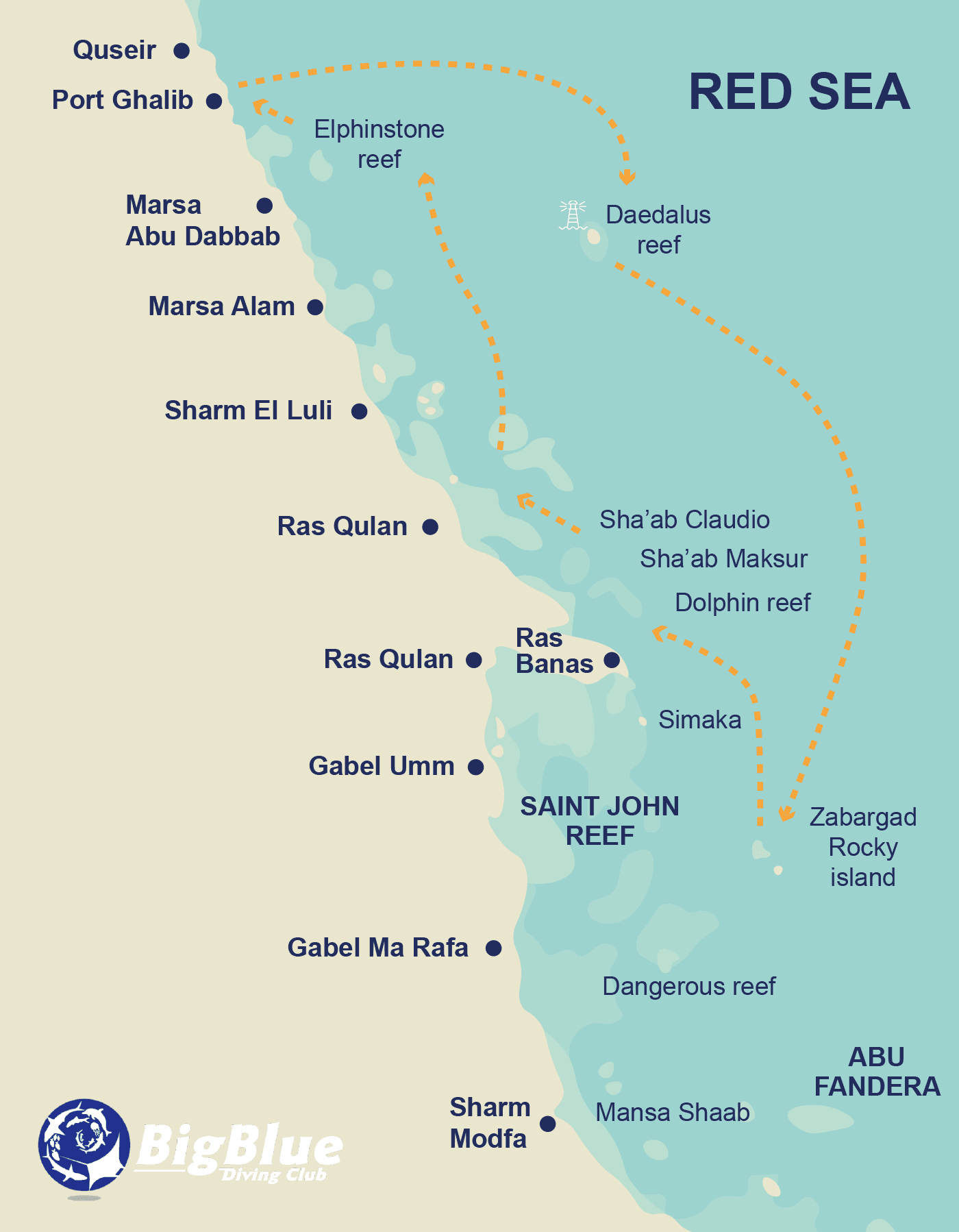
Egypt's Red Sea is a legendary wreck-and-reef destination stretching from Hurghada south to the Sudanese border. The northern itineraries out of Hurghada focus on the Thistlegorm and SS Rosalie Moller — two of the best WWII wrecks in the world — paired with the sheer walls of Ras Mohammed. The southern Deep South and Brothers / Daedalus / Elphinstone routes deliver oceanic adventures: schooling hammerheads in summer, thresher sharks, and longimanus (oceanic whitetips) on the deep blue walls in autumn. Water temperatures range from 22°C in winter to 29°C in summer, and a short flight from Europe plus year-round departures make the Red Sea the most accessible world-class liveaboard destination on the planet.
Why go now
Red Sea — Egypt is strongest when your trip timing, comfort with conditions, and boat style line up. Prioritize Mar, Apr, May, Jun, Jul, Aug, Sep, Oct, Nov for the cleanest planning window, then use the liveaboard shortlist below to match route, cabin comfort, and budget.
Route intelligence
Phase A exposes the destination hierarchy as structured, linkable planning pages: destination → route → dive site.
6 routes · 11 sites
Route
Includes 2 mapped dive sites and route-level image coverage.
Route
Includes 1 mapped dive sites and route-level image coverage.
Route
Includes 0 mapped dive sites and route-level image coverage.
Route
Includes 0 mapped dive sites and route-level image coverage.
Route
Includes 0 mapped dive sites and route-level image coverage.
Route
Includes 0 mapped dive sites and route-level image coverage.
5–60m · wall wreck pelagic
5–50m · wall pelagic
5–40m · wall pelagic
5–70m · wall pelagic
16–32m · wreck
5–130m · blue hole wall
5–30m · wall drift
12–28m · wreck
5–30m · wall drift
5–50m · wall pelagic
5–30m · coral garden
Curated boats
A short starting set for comparing cabins, route style, and onboard comfort before a specialist narrows the fit.
 Red Sea — Egypt312 reviews
Red Reef Cruises
38 m · 20 guests · rated 4.5/5
from $1,600 / person
View boat Red Sea — Egypt156 reviews
Sea Serpent Fleet
44 m · 22 guests · rated 4.8/5
from $2,600 / person
View boat Red Sea — Egypt228 reviews
Pharaoh Cruises
41 m · 24 guests · rated 4.4/5
from $1,750 / person
View boatField notes
Practical reading for planning timing, conditions, and the tradeoffs that matter before you book.
Planning FAQ
March, April, May, June, July, August, September, October, November are the strongest planning months for Red Sea — Egypt, based on the destination seasonality and liveaboard routing used by MantaraDive specialists.
Typical trips run about $1,400-$3,600 USD per person. Final pricing depends on cabin category, route length, inclusions, and seasonal demand.
The headline encounters include wwii wrecks (thistlegorm, rosalie moller), oceanic whitetips at elphinstone, schooling hammerheads at daedalus. Exact sightings vary by month, current, and route.
Advanced Open Water or confident Open Water divers with current and drift experience will get the most out of the signature sites.
Most divers should plan 7-10 days including arrival buffer, liveaboard embarkation, diving, and no-fly time after the final dive.