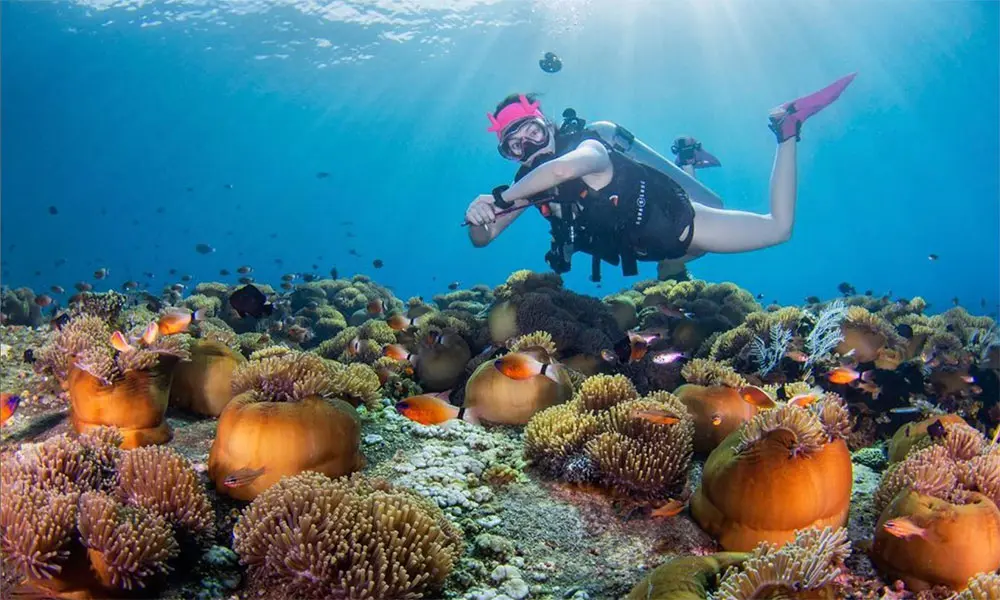
Forty islands and cays. Water so clear the visibility routinely tops 100 feet. And some of the steepest coral walls in the Caribbean — shelves that plunge from 40 feet to 7,000 feet into the Turks Island Passage. The Turks and Caicos liveaboard vs resort decision is less about "which is better" and more about which walls you can actually reach, and when the humpbacks show up.
The Turks and Caicos sits at the southeastern end of the Bahamas bank, straddling the deep-water channel between the Atlantic and the Caribbean. The islands themselves are low-lying limestone and coral — no volcanic peaks, no river runoff, no sediment plumes. The result is water clarity that Caribbean regulars call the best in the region, with winter visibility routinely measured at 100 to 150 feet (Turks and Caicos Reef Fund, 2025). The wall system runs along the entire northern and western edges of the Caicos Bank, with the most dramatic drops off West Caicos, French Cay, and the uninhabited leeward coast of Providenciales.
This article answers the question every Turks and Caicos-bound diver has to settle: liveaboard vs resort, which one gets you to the walls and marine life you came for, and at what real total cost in 2026?
Why This Comparison Matters in 2026
Two things shifted in the last year. First, the liveaboard fleet consolidated: the Turks & Caicos Aggressor II and the Explorer II remain the two primary operators, but both now run extended itineraries that reach the remote southeast Caicos Bank — sites that no land-based operation can reach in a single day of diving (Aggressor Adventures, 2026; Explorer Ventures, 2026). Second, the humpback whale migration data from the Turks and Caicos Whale Project has become granular enough to plan dive trips around: peak underwater encounters run mid-January through early April, with Salt Cay and Grand Turk holding the highest probability windows (Turks and Caicos Whale Project, 2025).
We compiled current 2026 pricing across both liveaboards and the five most-cited dive resorts, mapped them against wall access, seasonal marine life, and transfer logistics, and built the comparison below. What you get: a clear picture of which option matches which diver profile, with the numbers behind it.
What Each Option Actually Delivers
Liveaboard Diving: Access of Remote Walls and Multi-Island Coverage
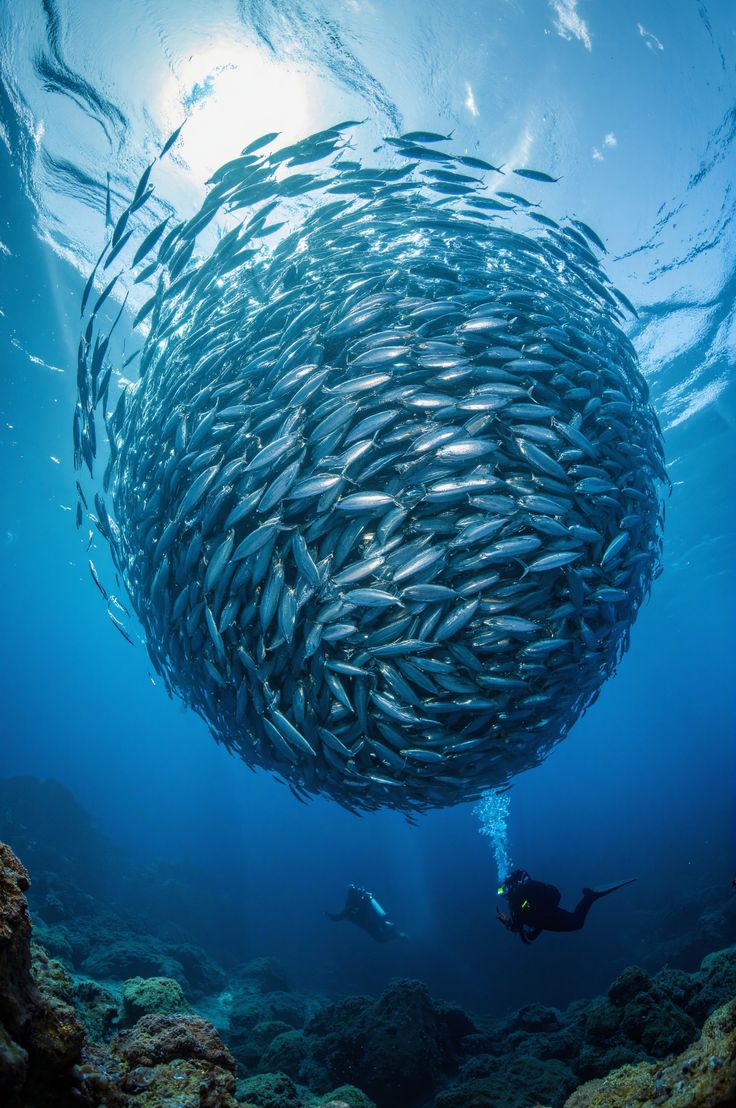
A standard 7-night Turks and Caicos liveaboard runs three to four dives per day — two morning dives, an afternoon dive, and a night dive on select evenings — totaling 18 to 22 dives in a week (Aggressor Adventures, 2026; Explorer Ventures, 2026). Vessels reposition overnight, so divers wake up at the next wall system rather than spending the morning on a transfer boat.
The two primary liveaboards cover different ground:
- Turks & Caicos Aggressor II: Departs from Providenciales. The standard itinerary hits West Caicos, French Cay, and the remote southeast Caicos Bank — a chain of uninhabited cays with wall systems that see minimal diver traffic. The boat also runs dedicated humpback whale cruises January through March, positioning near Salt Cay for underwater encounters (Aggressor Adventures, 2026).
- Explorer II: Also departs from Providenciales. Covers similar ground but adds stops at Columbus Passage and the deeper walls off South Caicos. Known for night diving on the shallow reef tops of the Caicos Bank, where juvenile lemon sharks and nurse sharks are reliably sighted (Explorer Ventures, 2026).
Critically, only liveaboards reach the southeast Caicos Bank walls with any regularity. These sites — Lobster No Lobster, G-Spot, and the unnamed walls east of French Cay — sit 20 to 40 nautical miles from the nearest dock. A day boat from Providenciales can reach West Caicos in roughly 90 minutes each way, burning three hours of transit on a two-tank trip. The southeast bank is effectively off the table for resort divers.
Resort Diving: World-Class House Reefs and Shore Access
A Turks and Caicos resort dive package centers on two-tank morning boat dives plus optional afternoon and night dives. Most resort dive centers schedule one to two boat dives per day, with each boat dive reaching sites within a 30-to-60-minute radius of the dock (Big Blue Collective, 2025; Caicos Adventures, 2026).
What resort diving delivers that liveaboards cannot:
- Shore diving on demand. Providenciales' north shore has several accessible reef systems — Grace Bay's Bight Reef and Smith's Reef are walk-in or short-swim entries, with healthy coral and reliable turtle sightings. Divers can shore-dive between scheduled boat dives, log dives at their own pace, and run unguided buddy dives if certified.
- Non-diver compatibility. A partner who does not dive has a genuine holiday. Grace Bay Beach is consistently ranked among the world's best beaches. On a liveaboard, non-divers have a small cabin and 20 dive briefings.
- Surface comfort. Fixed bed, fixed shower, full restaurants, spa, no swell at 03:00. Providenciales has a mature resort and restaurant infrastructure that Grand Turk and Salt Cay cannot match.
The trade-off: resort divers are bound to the wall systems within a day-boat radius of their dock. Providenciales-based operations reach West Caicos and the northwest wall reliably. They do not reach French Cay, the southeast Caicos Bank, or the remote south shore walls without a dedicated long-range charter that costs significantly more and still burns half the day in transit.
The Numbers: Turks and Caicos Dive Trip Cost in 2026
Pricing is where the Turks and Caicos liveaboard vs resort decision gets interesting. The islands are not cheap — this is a premium Caribbean destination with premium logistics. We compiled current 2026 rates from Aggressor Adventures, Explorer Ventures, Big Blue Collective, Caicos Adventures, and the major resort booking channels.
7-Night Liveaboard Cost (per diver, USD)
| Tier | Base fare | Port/park fees | Nitrox | Tipping | Total est. |
|---|---|---|---|---|---|
| Standard cabin | 2,800–3,500 | 100–150 | 100–150 | 200–350 | 3,200–4,150 |
| Deluxe cabin | 3,500–4,500 | 100–150 | 100–150 | 250–400 | 3,950–5,200 |
| Premium/master | 4,500–5,500 | 100–150 | 100–150 | 350–500 | 5,050–6,300 |
Sources: Aggressor Adventures (2026 published rates), Explorer Ventures (2026 published rates). Includes 12% TCI government tax on some bookings.
Headline rates include all meals, diving, tanks, and weights. They do not include international flights to Providenciales (PLS), Nitrox when not included in the base, alcohol on some boats, or the USD 20–50 marine park fee for West Caicos. Humpback whale specialty cruises may carry a USD 200–400 premium over standard itineraries.
7-Night Resort Dive Package Cost (per diver, USD)
| Tier | Room (7 nights) | Diving (10–14 dives) | Taxes + service charge | Total est. |
|---|---|---|---|---|
| Budget (guesthouse) | 1,000–1,800 | 700–1,000 | 12% + 10% service | 2,000–3,100 |
| Mid-range resort | 2,500–4,500 | 800–1,200 | 12% + 10% service | 3,600–6,300 |
| Luxury resort | 5,000–10,000+ | 1,000–1,500 | 12% + 10% service | 6,700–12,900+ |
Sources: Big Blue Collective (2026), Caicos Adventures (2026), Tripadvisor (2026), TCI government tax at 12% + 10% service charge at most resorts.
Budget options include guesthouses and small hotels on Providenciales — the Gansevoort, Windsong, and Beaches aside, Provo's mid-range holds solid value. Grand Turk offers lower room rates but fewer dive operators. Luxury options — Grace Bay Club, The Shore Club, Amanyara — sit at the top end. Even at the mid-range tier, a resort week runs USD 400 to 1,200 above an equivalent liveaboard week, while delivering roughly half the dives.
The math: per-dive cost on a liveaboard lands between USD 165 and 290 for a mid-range trip, while a resort runs USD 325 to 630 per dive once accommodation and taxes are included. The gap is smaller than in the Maldives — Caribbean logistics are expensive across the board — but it is consistent.
Marine Life: Where Each Option Wins
Humpback Whales
The Turks and Caicos sits directly on the humpback whale migration route between the Silver Bank (north of the DR) and the feeding grounds off the eastern US and Canada. From mid-January through early April, humpbacks pass through the Turks Island Passage, with the highest concentration of underwater encounters around Salt Cay and Grand Turk (Turks and Caicos Whale Project, 2025).
The Aggressor's dedicated whale cruises position near Salt Cay and offer in-water encounters when conditions allow — typically two to four snorkel-level encounters per trip, with whales at depths of 30 to 60 feet on the shallow bank (Aggressor Adventures, 2026). Resort divers based on Grand Turk or Salt Cay can book day-trip whale encounters with local operators, but availability depends on weather and whale presence on any given day. Providenciales resort divers are 70-plus miles from Salt Cay — a whale excursion from Provo is a full-day commitment involving a domestic flight or long boat ride.
Wall Diving and Sharks
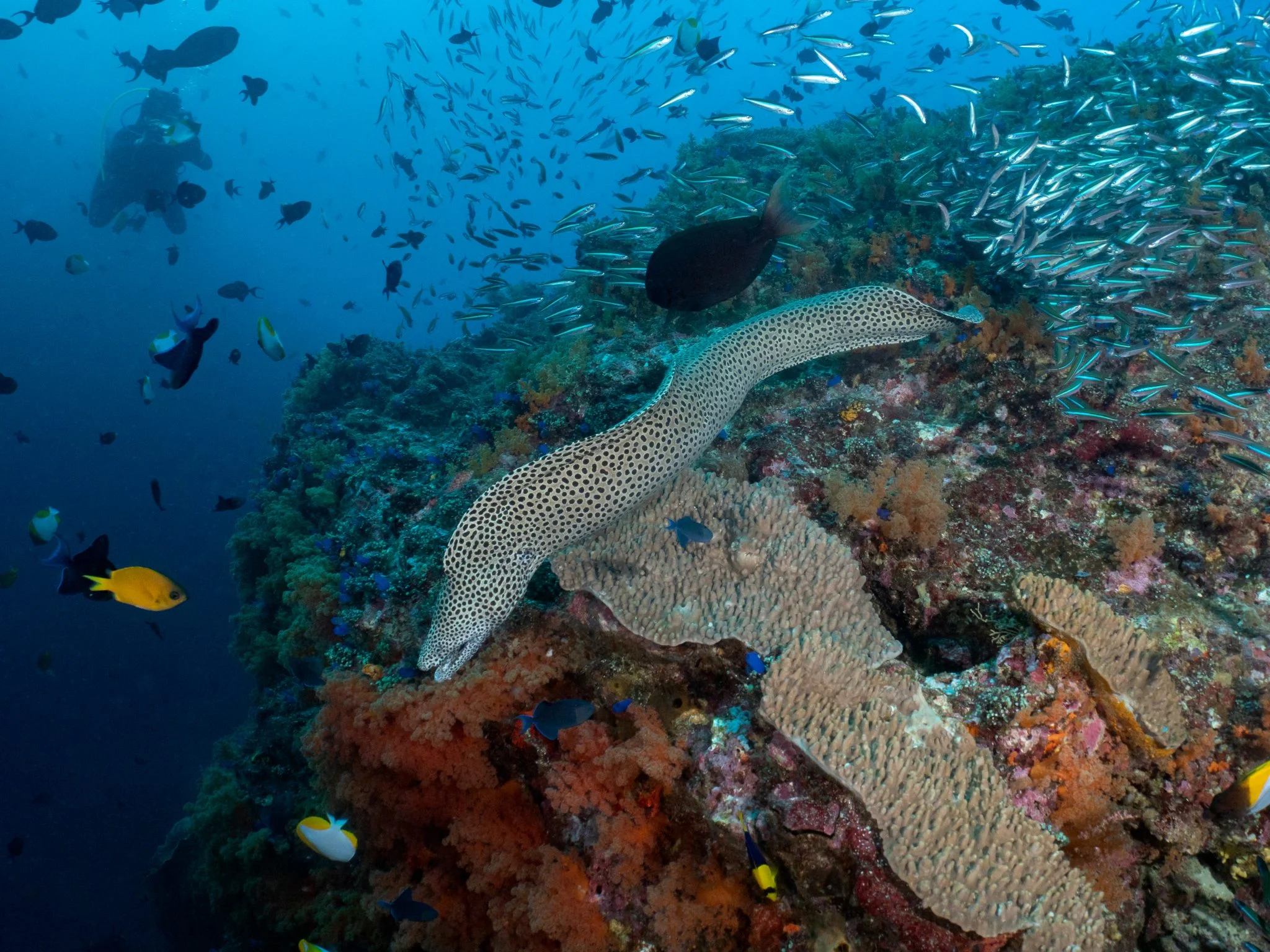
The wall systems are the primary draw. West Caicos' wall starts at 35 feet and drops to 5,000-plus, with consistent sightings of reef sharks, eagle rays, and large barracuda on the wall edge. French Cay adds hammerheads in winter months (Big Blue Collective, 2025). The southeast Caicos Bank — liveaboard-only territory — has the most pristine walls, with minimal diver impact and regular sightings of oceanic whitetips and silky sharks on the deeper wall ledges.
Nurse sharks are reliably sighted on night dives across the Caicos Bank, and juvenile lemon sharks patrol the shallow reef tops at dusk. Caribbean reef sharks are present on most wall dives.
Turtles and Reef Fish
Providenciales' shore reefs — Bight Reef and Smith's Reef — have healthy populations of hawksbill and green turtles, southern stingrays, and a dense reef fish community. This is where resort diving shines: easy, uncrowded, and accessible without a boat. Liveaboard divers see turtles on wall dives but rarely on the shallow reef tops that make Providenciales shore diving special.
The Comparison Matrix
| Criterion | Liveaboard | Resort |
|---|---|---|
| Dives per day | 3–4 (incl. night) | 1–2 boat + shore |
| Total dives in 7 nights | 18–22 | 10–14 |
| Wall systems accessible | West Caicos, French Cay, SE Bank, South Caicos | West Caicos, NW wall (Provo radius) |
| Per-dive total cost (mid-range) | USD 165–290 | USD 325–630 |
| 7-night total (mid-range) | USD 3,200–5,200 | USD 3,600–6,300 |
| SE Caicos Bank access | Direct | Effectively no |
| Humpback whale encounters | Dedicated cruises (Jan–Apr) | Day trips from Grand Turk/Salt Cay |
| Shore diving | Limited (some anchorages) | Excellent (Bight Reef, Smith's Reef) |
| Recommended certification | AOW + 30 dives | Open Water acceptable |
| Non-diver-friendly | Poor | Excellent |
| Seasickness factor | Moderate (Atlantic swells) | Zero |
| Shark probability | High (reef, nurse, occasional hammerhead/oceanic) | Moderate (reef, nurse, on walls) |
| Booking flexibility | Fixed schedule | Choose dives daily |
Sources: Aggressor Adventures (2026), Explorer Ventures (2026), Big Blue Collective (2025), Caicos Adventures (2026), Turks and Caicos Whale Project (2025).
Decision Framework: Which Option Fits Which Diver
Choose a liveaboard if:
- You are AOW-certified with 30-plus logged dives and comfortable with wall diving and drift currents.
- Your priority is dive volume — you want 18-plus dives in a week, not 10.
- You want to reach the southeast Caicos Bank walls, French Cay hammerheads, or multi-island coverage.
- You are targeting humpback whale encounters (January through April specialty cruise).
- Your travel partner also dives, or you are traveling solo or with a dive group.
- Mid-range total budget is USD 3,200 to 5,200 per diver; you want maximum diving per dollar.
Choose a resort if:
- You hold Open Water with limited recent diving and want a gentler reintroduction.
- You travel with a non-diving partner, children, or family.
- Shore diving matters — Bight Reef and Smith's Reef on Providenciales are among the Caribbean's best walk-in dive sites.
- You want flexibility — to skip a day, hit the beach, or shift to snorkeling.
- Your trip is built around a Caribbean beach holiday (Grace Bay, Amanyara), with diving as a major but not exclusive activity.
- Total budget is USD 3,600-plus and you value surface comfort over dive count.
Choose a hybrid (resort + day liveaboard trip, or split-stay) if:
- You have 10 to 14 nights and want both shore-reef relaxation and wall diversity.
- Humpback season anchors part of the trip — a few days on Grand Turk or Salt Cay for whale encounters, then a liveaboard for the walls.
- Budget is USD 6,000-plus per diver.
The Honest Caveats
Liveaboard downsides that matter. Cabins are compact, particularly on the Explorer II. Schedules are rigid — 6:30 a.m. first briefing is standard. Atlantic swells are real, especially on the exposed south and east sides of the Caicos Bank during winter (December through March). Some crossings between islands can be bumpy. The liveaboard fleet is small — two boats — which means limited departure dates and higher booking pressure during humpback season.
Resort downsides that matter. The wall-access radius is real. West Caicos is reachable from Providenciales in roughly 90 minutes, which works for a two-tank trip but limits bottom time. French Cay and the southeast bank are out of reach. Shore diving on Bight Reef and Smith's Reef can get crowded during cruise ship days — Providenciales receives 300-plus cruise ship calls per year, and the snorkel sites fill up when ships dock. Dive boat scheduling around cruise days is worth planning.
For both options, the TCI charges a 12% government accommodation tax plus a 10% service charge at most resorts. Some resorts bundle service charge into the room rate; others do not. Verify before booking. Marine park fees of USD 20 to 50 apply to West Caicos and some French Cay sites.
The MantaraDive Recommendation
After running the comparison across 2026 pricing, wall-access data, and seasonal marine life probability, we recommend three concrete paths.
For certified divers (AOW, 30+ logged dives) who want the walls, choose a liveaboard. The Aggressor II's standard itinerary hitting West Caicos, French Cay, and the southeast Caicos Bank delivers the most comprehensive wall diving available in the Turks and Caicos. Mid-range total: USD 3,200 to 5,200. For humpback encounters, book the January-to-March specialty cruise — it fills early.
For first-time Caribbean divers, mixed-interest couples, or families, choose a Providenciales resort with shore diving. Grace Bay's Bight Reef and Smith's Reef offer easy, uncrowded diving without a boat. Two-tank morning boat trips to West Caicos add wall diving to the mix. Mid-range total: USD 3,600 to 6,300. Grand Turk is the alternative if humpback whales are the primary draw and you prefer a quieter island.
For 10-plus-night trips at a USD 6,000-plus budget, do both. Three to four nights on Grand Turk or Salt Cay (whale season) or Providenciales (shore diving and beach), then a 7-night liveaboard for the walls. This covers both the reef-top and wall-edge ecosystems that make Turks and Caicos diving distinct.
The single biggest mistake we see: divers booking a Providenciales resort and expecting to reach the southeast Caicos Bank or French Cay on day trips. The geography does not cooperate. Either go to the island where the wall system sits, or take a liveaboard that does.
If your shortlist also includes the Caribbean, our analysis on Cozumel vs Cancun for first-time Caribbean divers covers another wall-diving destination with a different logistics equation. For a broader comparison, the Maldives liveaboard vs resort analysis runs the same cost-vs-experience math for an Indian Ocean trip.
Talk to a Specialist
Choosing the right Turks and Caicos liveaboard vs resort path is season-and-site specific — humpback timing, wall access from your dock, cruise ship schedules on Providenciales, and whether the southeast Caicos Bank matters to you all turn a dream Caribbean dive trip into an expensive miss. MantaraDive advisors cross-reference real-time vessel availability, resort pricing, and seasonal marine life data with your trip dates, certification level, and travel-style preferences. Send us your dates, budget, and priorities and we will return a custom shortlist of two to three options within 24 hours, with the trade-offs spelled out.
Sources and Methodology
This article draws on data cross-referenced from the following independent sources: Aggressor Adventures (2026 vessel itineraries, humpback whale cruise schedules, pricing), Explorer Ventures (2026 Explorer II itineraries, southeast Caicos Bank routes, pricing), Big Blue Collective (2025–2026 dive site access, wall diving descriptions, French Cay hammerhead seasons), Caicos Adventures (2026 day-boat operations, West Caicos transit times), Turks and Caicos Whale Project (2025 humpback migration data, Salt Cay encounter rates), Turks and Caicos Reef Fund (2025 visibility reports, marine park fee structures), TCI Government (12% accommodation tax, 10% service charge structures), Tripadvisor (2026 resort pricing data), and published 2026 rate sheets from both liveaboard operators. All prices are USD and reflect rates published in early 2026; actual costs vary by operator, season, cabin class, and booking lead time. Humpback whale encounter probabilities reflect historical migration patterns and operator-reported sighting rates, not guarantees.
Related MantaraDive planning links
- Maldives Liveaboard vs Resort: Which Actually Gives You Better Diving in 2026?
- Cozumel vs Cancun for First-Time Caribbean Divers: Which Gulf-Coast Hub Actually Wins?
- Red Sea Liveaboard Itinerary: North vs South for European Divers
- Solo Diving in the Philippines: Which Resorts and Liveaboards Welcome Solo Travelers?
- Komodo Liveaboard Prices: What It Actually Costs (and What's Worth It)
- Galapagos Liveaboard: Is It Worth It in 2026?
- Great Barrier Reef Liveaboard: Complete 2026 Guide