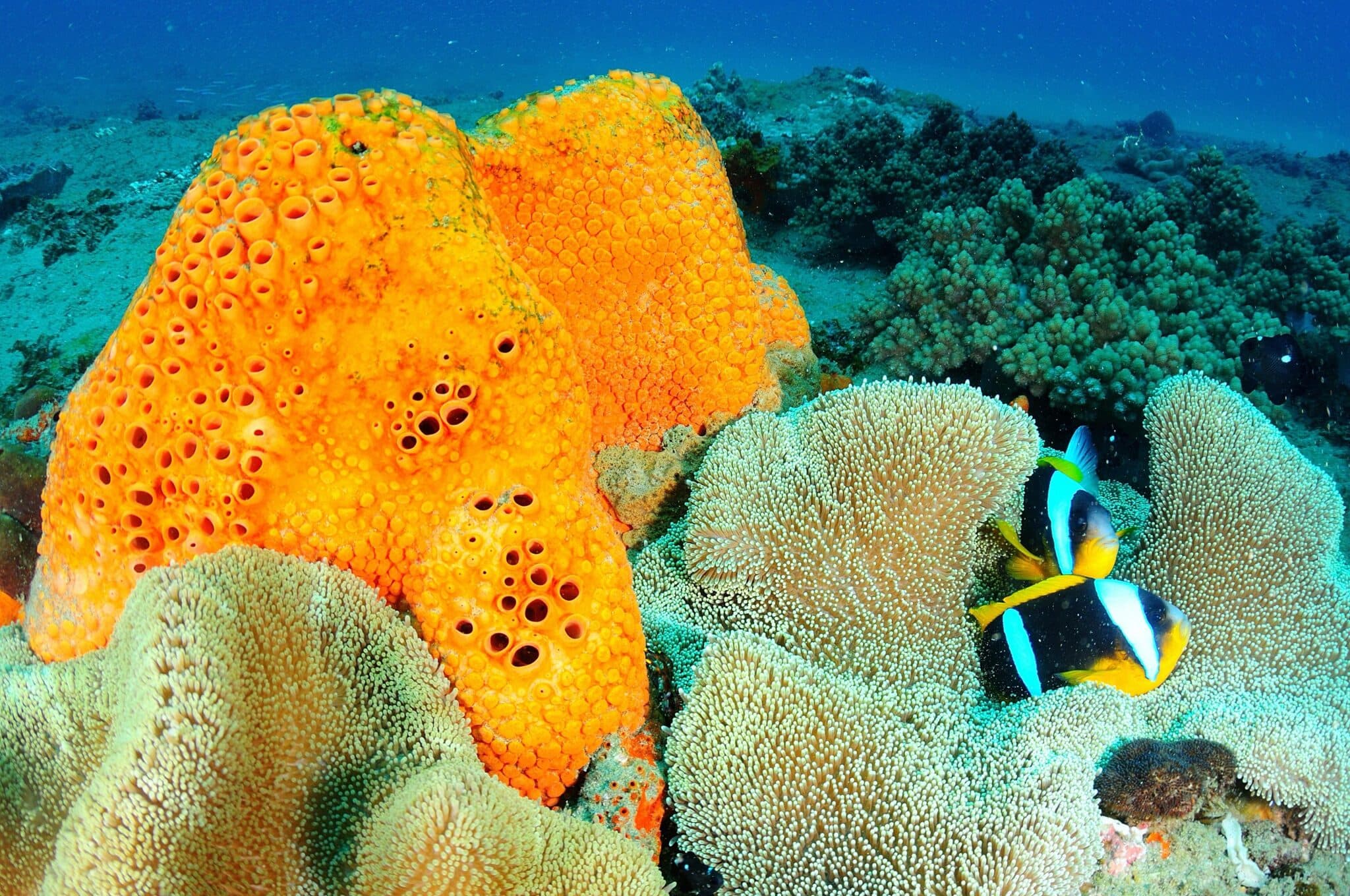
Two and a half thousand kilometers of Indian Ocean coastline. Coral reefs that stretch from the South African border to the Tanzanian frontier. Whale sharks at Tofo, manta rays at Bazaruto, tiger sharks at Ponta do Ouro, and dugongs — one of the rarest marine mammals on the continent — hiding in the Bazaruto Archipelago. Mozambique is the most undersold dive destination in the southern hemisphere, and the mozambique liveaboard vs resort question is the first one every diver heading there has to answer.
Unlike the Maldives or the Red Sea, Mozambique does not have a mature liveaboard fleet. The choice here is not "boat versus island" in the classic sense — it is whether to base yourself at one or two land-based dive operations and day-boat to sites, or to stitch together a multi-stop overland route that covers the country's three distinct diving regions. The trade-offs are real, and the wrong choice wastes days on Mozambique's rough interior roads or strands you at a single site when the whale sharks have moved 200 kilometers north.
This article walks through the mozambique liveaboard vs resort calculation with current 2026 pricing, seasonal probability data for the country's headline marine encounters, and a decision framework matched to diver profile.
Why This Comparison Matters in 2026
Mozambique's dive infrastructure has changed meaningfully in the last two years. The Bazaruto Archipelago National Park — home to the country's most iconic reef diving and its last viable dugong population — expanded its protected area in 2024 and introduced new park entry fees that now add USD 15 to 25 per diver per day (Bazaruto Archipelago National Park, 2024). Tofo Beach's dive operators have consolidated: the market that had eight independent shops in 2022 is now dominated by four main operations, with pricing that has stabilized after post-COVID inflation (Bluewater Dive Travel, 2025). And the liveaboard question has shifted: Mozambique does not host a permanent liveaboard fleet, but seasonal expedition vessels — primarily the Mozambique Explorer and occasional Red Sea repositioning trips — now offer 7-to-10-night itineraries that cover the Quirimbas Archipelago and northern coast during the October-to-April window (LiveAboard.com, 2025).
The practical result: a Mozambique dive trip in 2026 can be built three ways — single-resort base, multi-resort overland route, or a rare liveaboard expedition — and the cost, dive count, and marine life outcomes differ substantially.
The Three Mozambique Diving Regions
Understanding the geography is the prerequisite for the mozambique liveaboard vs resort decision. Mozambique's coast divides into three distinct diving zones, each with different marine life, conditions, and access.
Southern Mozambique: Ponta do Ouro to Inhambane
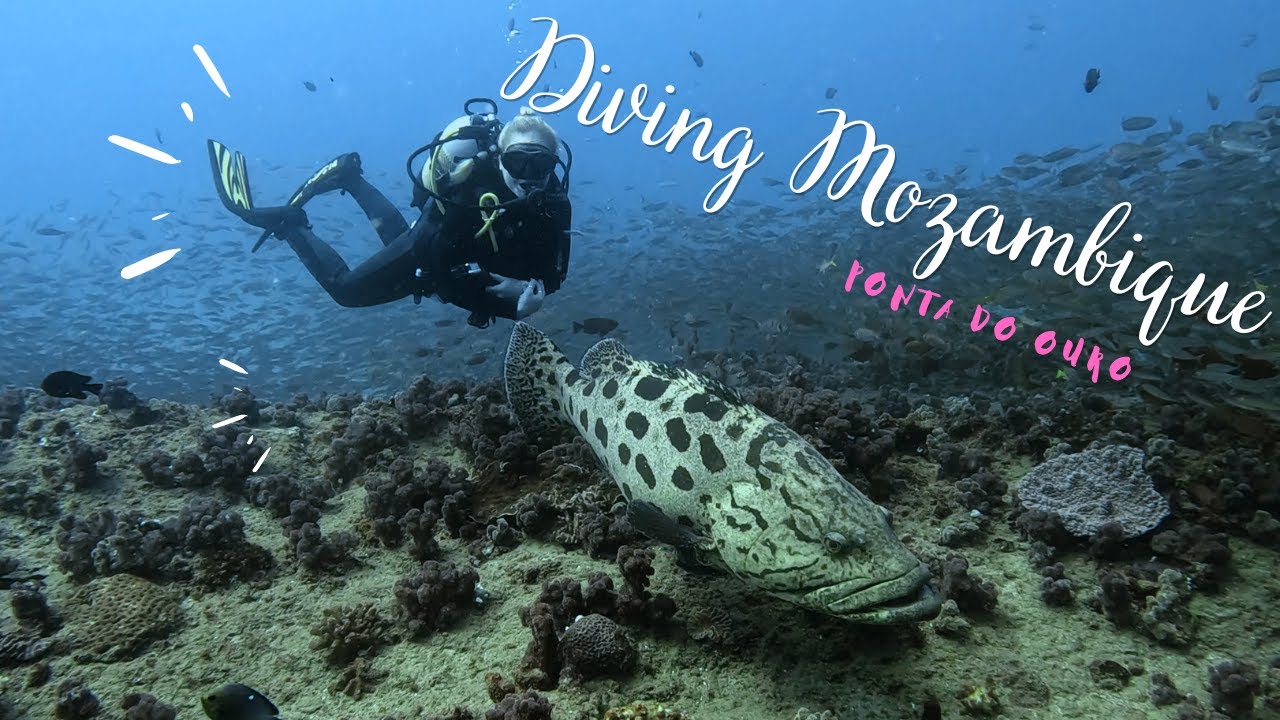
The south is Mozambique's most accessible diving region, reachable by road from Maputo (or from Durban, South Africa, in about six hours). Ponta do Ouro, 10 kilometers from the South African border, is the shark diving capital — the famed Pinnacles site hosts over 10 shark species including tiger sharks, bull sharks, scalloped hammerheads, oceanic blacktips, and silver tips on a deep drift dive in blue water (Bluewater Dive Travel, 2025). Tofo Beach, three hours north, is Mozambique's whale shark and manta ray epicenter, with September through February the peak season for whale shark encounters along the Inhambane province coastline. Manta cleaning stations operate year-round at several Tofo-area sites, with peak activity October through March (Bluewater Dive Travel, 2025).
Resort diving dominates the south. Daily dive trips launch from beach-accessible zodiacs, with two-tank morning dives the standard schedule. Operators like Liquid Dive Adventures, Tofo Scuba, and Diversity Scuba run multi-dive packages and whale shark research snorkel trips between dives.
Central Mozambique: Bazaruto Archipelago
Bazaruto — a chain of six islands off Vilankulos — is Mozambique's premier resort diving destination. Two-Mile Reef is the headline site: a 3-kilometer coral wall with overhangs, swim-throughs, and resident populations of reef sharks, Zambezi (bull) sharks, rays, and occasional whale sharks. The Bazaruto Archipelago National Park protects the area's marine biodiversity, including the last viable dugong population in East Africa — roughly 200 to 300 individuals, though sightings are rare and never guaranteed (IUCN, 2023; Bluewater Dive Travel, 2025).
Resort access only. The archipelago is reached by boat from Vilankulos, and all dive operations are land-based. There is no liveaboard service in Bazaruto.
Northern Mozambique: Quirimbas Archipelago and Pemba
The Quirimbas — 32 coral islands stretching from Pemba to the Tanzanian border — is Mozambique's most remote and least-developed diving region. Matemo Island offers exceptional coral formations and an interesting wreck, with marine life including barracuda, crocodile fish, rays, and reef sharks. Humpback whales pass through June through October (Bluewater Dive Travel, 2025). The Quirimbas is where the rare Mozambique liveaboard expeditions operate, because the distances between sites are too large for day-boat access from any single resort.
What Each Option Actually Delivers
Liveaboard Diving: Expedition Access to Remote Sites
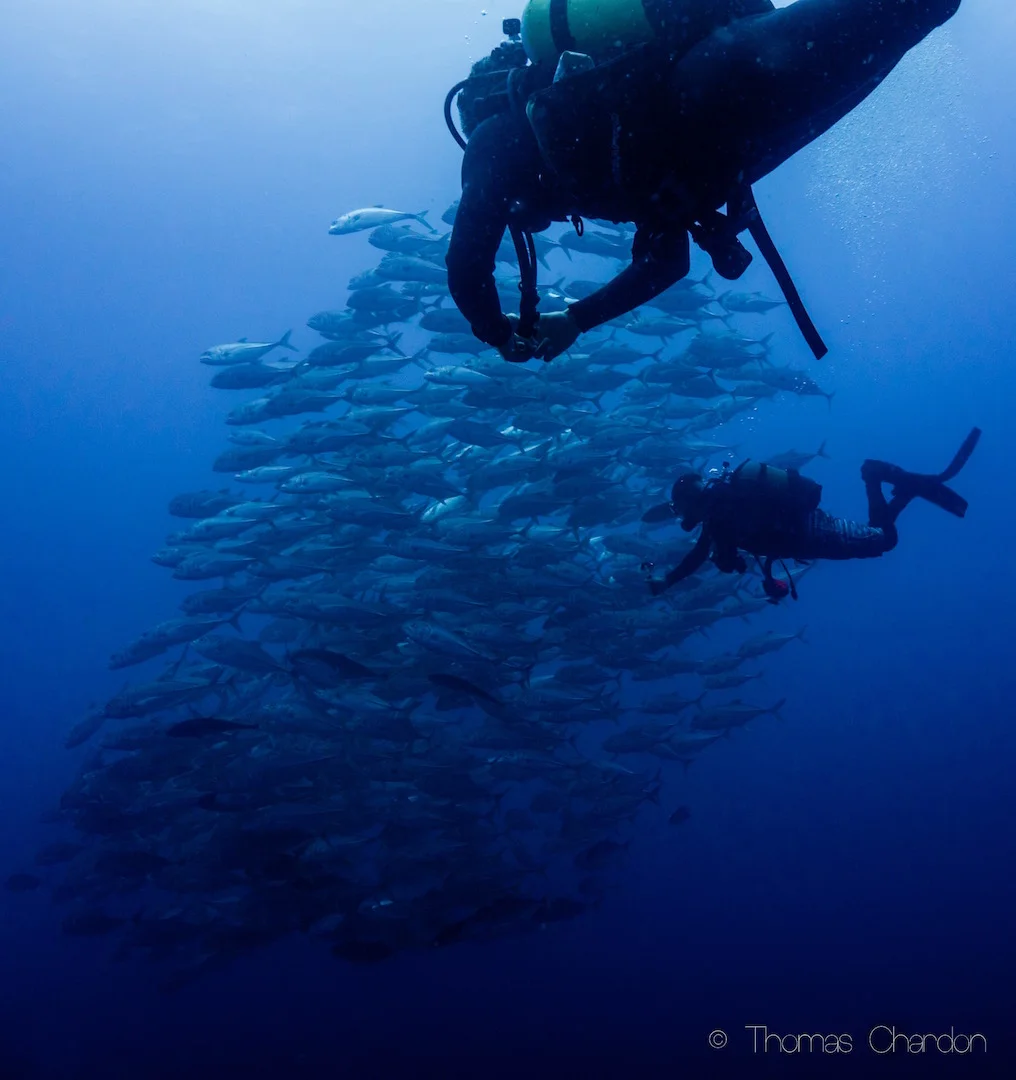
Mozambique's liveaboard offering is fundamentally different from the Maldives or Red Sea model. There is no permanent, year-round fleet. Instead, one to three vessels operate seasonal itineraries, primarily October through April, covering the Quirimbas Archipelago and the northern coast. The Mozambique Explorer is the most consistent operator, running 7-to-10-night expeditions with 18 to 25 dives per trip, including night dives at remote reef systems that no land-based operation can reach (LiveAboard.com, 2025).
The liveaboard advantage in Mozambique is access, not volume. Northern Quirimbas sites — the Quirimbas National Park's outer reefs, the Ibo Island channels, and the remote Matemo and Quilálea walls — are separated by distances that make day-boat diving impractical. A liveaboard repositions overnight, so divers wake at the next site. The trade-off: these trips are rare, seasonal, and book out months in advance. Availability is the binding constraint, not price.
Occasional Red Sea repositioning trips — vessels moving between the Red Sea and South Africa — also stop at Mozambique's northern coast, offering 3-to-5-night segments. These are opportunistic, not scheduled, and require flexible dates.
Resort Diving: Flexibility Across Three Regions
Resort diving is Mozambique's default and its strength. The country has established land-based operations in all three diving regions, with the south (Tofo/Ponta do Ouro) offering the most consistent year-round service and the best whale shark and manta access.
A standard Mozambique resort dive package runs two morning boat dives per day — typically 06:30 and 09:30 departures — with optional afternoon and night dives depending on conditions and group size. Most operations use beach-launched zodiacs, which means the dive day is weather-dependent in a way that RIB-from-a-pontoon operations are not. Cancellation days happen, particularly during the southern winter (June through August) when swells can make beach launches unsafe.
The resort advantage is multi-region flexibility. A diver can build a two-stop itinerary — four nights at Tofo for whale sharks and mantas, then fly to Vilankulos for three nights at Bazaruto — covering two distinct ecosystems in a single trip. This overland approach requires domestic flights (Maputo-to-Inhambane or Maputo-to-Vilankulos) and road transfers, but Mozambique's internal flight network has improved since 2023, with LAM Mozambique Airlines and CFA Airlink now offering daily service on the key routes.
The Numbers: Mozambique Dive Trip Cost in 2026
Pricing in Mozambique is less standardized than in established dive destinations. Rates are quoted in USD by most international-facing operators, with local operations sometimes quoting in Mozambican metical (MZN). We compiled current 2026 rates from LiveAboard.com, Bluewater Dive Travel, and direct operator inquiries.
7-Night Liveaboard Cost (per diver, USD)
| Tier | Base fare | Park fees + extras | Gear rental | Tipping | Total est. |
|---|---|---|---|---|---|
| Mid-range (Mozambique Explorer) | 3,000–4,500 | 200–350 | 200–350 | 200–300 | 3,600–5,500 |
| Luxury (expedition vessel) | 5,000–8,000 | 300–500 | 0 (often included) | 300–500 | 5,600–9,000 |
Sources: LiveAboard.com (2025), Bluewater Dive Travel (2025). Prices reflect seasonal expedition rates; Mozambique liveaboard availability is limited to October–April for most vessels.
The critical caveat: Mozambique liveaboards are not comparable to the always-available fleets in the Maldives or Red Sea. One to three vessels operate in a good year. Booking 6 to 12 months in advance is standard. The headline rate does not include international flights to Maputo or Pemba, domestic connections, or pre/post liveaboard accommodation.
7-Night Resort Dive Package Cost (per diver, USD)
| Tier | Accommodation (7 nights) | Diving (10–14 dives) | Park fees + transfers | Total est. |
|---|---|---|---|---|
| Budget (Tofo guesthouse) | 300–700 | 400–600 | 100–200 | 800–1,500 |
| Mid-range (Tofo/Bazaruto lodge) | 1,000–2,500 | 600–900 | 200–400 | 1,800–3,800 |
| Luxury (Bazaruto island resort) | 3,000–7,000 | 800–1,200 | 300–600 | 4,100–8,800 |
Sources: Bluewater Dive Travel (2025), Booking.com (2026 rates for Tofo/Vilankulos), direct operator pricing. Park fees for Bazaruto National Park add USD 15–25 per diver per day.
Budget Tofo guesthouses — Lehani Beach Hostel at roughly USD 43 per night, Kumba Lodge, and similar — anchor the low end, with dive packages from local operators running USD 50 to 70 per two-tank dive. Mid-range lodges like Baia Sonambula (USD 95 per night) and Casa Babi in Vilankulos offer guided dive packages with transfers included. The luxury tier is dominated by Bazaruto island resorts — Bahia Mar Boutique Hotel at USD 344 per night and comparable properties — where dive packages are arranged through the resort but operated by independent dive centers.
The math: a mid-range Tofo resort week with 12 dives runs USD 1,800 to 3,800 total, while a liveaboard covering the Quirimbas runs USD 3,600 to 5,500. The liveaboard costs roughly 50% more but delivers access to sites no resort can reach. Per-dive cost: resort USD 150 to 320; liveaboard USD 160 to 280. The per-dive math is surprisingly close — the real difference is what you are diving, not how much each dive costs.
Megafauna Probability: Where Each Option Wins
Mozambique sells on three encounters: whale sharks, manta rays, and big sharks. Each is location-dependent and season-dependent.
Whale Sharks
Tofo Beach is Mozambique's whale shark capital. Peak season runs September through February, when warm waters rich in plankton and krill draw whale sharks along the Inhambane province coastline. Operators report encounter rates of 70% to 90% during peak months, with interactions lasting roughly 15 minutes during surface intervals between double-tank dives (Bluewater Dive Travel, 2025). Whale sharks are typically encountered during surface snorkel sessions, not on scuba — operators provide briefings for safe and mindful interactions.
Best access: Tofo Beach resort, September through February. No liveaboard needed — this is a resort-only encounter.
Manta Rays
Manta cleaning stations operate year-round at Tofo-area sites, with peak activity October through March. Bazaruto Archipelago also hosts mantas, particularly around Two-Mile Reef's cleaning stations. The Mozambique manta population is less studied than the Maldives' — the Marine Megafauna Foundation has been conducting research from Tofo since 2009, with several hundred individuals identified in their database (Marine Megafauna Foundation, 2024).
Best access: Tofo or Bazaruto resort, October through March. Liveaboards do not improve manta access — the cleaning stations are within day-boat range of established resorts.
Big Sharks at Ponta do Ouro
The Pinnacles at Ponta do Ouro is Mozambique's signature shark dive — a deep drift dive in blue water with 10-plus shark species including tiger sharks, bull sharks, scalloped hammerheads, oceanic blacktips, silver tips, leopard sharks, spinner sharks, white tips, and nurse sharks. Peak season runs November through May during the warmer months (Bluewater Dive Travel, 2025). This is an advanced dive — strong currents, deep profiles (25 to 40 meters), and blue-water drift conditions.
Best access: Ponta do Ouro resort, November through May. The site is accessible by day boat from Ponta operations; no liveaboard benefit.
Quirimbas Pelagics and Remote Reefs
The Quirimbas Archipelago is where liveaboards add unique value. Remote outer reefs, Ibo Island channels, and the Quirimbas National Park's northern sites offer pelagic encounters — barracuda schools, reef sharks, occasional hammerheads, and humpback whales June through October — that no land-based operation can reach. The diving is less predictable than Tofo's whale sharks or Ponta's sharks, but the remoteness and pristine reef quality are the draw.
Best access: liveaboard expedition, October through April. This is the only scenario where a Mozambique liveaboard delivers diving that a resort cannot.
The Comparison Matrix
| Criterion | Liveaboard | Resort |
|---|---|---|
| Dives per day | 3–4 (incl. night) | 2 boat + optional afternoon/night |
| Total dives in 7 nights | 18–25 | 10–14 |
| Regions accessible | Quirimbas / northern coast | South, Central, or North (one per stay) |
| Per-dive total cost (mid-range) | USD 160–280 | USD 150–320 |
| 7-night total (mid-range) | USD 3,600–5,500 | USD 1,800–3,800 |
| Whale sharks (Tofo) | Not applicable | Direct (Sep–Feb) |
| Manta rays (Tofo/Bazaruto) | Not applicable | Direct (Oct–Mar) |
| Big sharks (Ponta do Ouro) | Not applicable | Direct (Nov–May) |
| Quirimbas remote reefs | Direct (seasonal) | Effectively no |
| Dugongs (Bazaruto) | Not applicable | Possible but rare |
| Availability | Very limited (1–3 vessels) | Year-round |
| Non-diver-friendly | Poor | Good to excellent |
| Seasickness factor | Real (Indian Ocean swells) | Zero |
| Booking lead time | 6–12 months | 1–3 months |
Sources: LiveAboard.com (2025), Bluewater Dive Travel (2025), Booking.com (2026).
Decision Framework: Which Option Fits Which Diver
Choose a liveaboard if:
- Your primary target is the Quirimbas Archipelago — remote northern reefs, Ibo Island channels, and pelagic encounters that no resort can reach.
- You are comfortable with expedition-style diving: limited availability, seasonal schedules, and the possibility of weather-related itinerary changes.
- You want maximum dive volume — 18 to 25 dives in a week, including night dives at sites no one else visits.
- You have already dived Tofo and Bazaruto and want Mozambique's third, least-accessible region.
- Budget is USD 3,600 to 5,500 per diver and you book 6 to 12 months ahead.
Choose a resort if:
- Your targets are whale sharks (Tofo, Sep–Feb), mantas (Tofo/Bazaruto, Oct–Mar), or big sharks (Ponta do Ouro, Nov–May). All three are resort-accessible.
- You travel with a non-diving partner, family, or mixed-interest group. Mozambique's resorts — particularly at Tofo and Bazaruto — offer beaches, snorkeling, dune boarding, and cultural excursions.
- You want to combine regions: a two-stop overland itinerary (Tofo + Bazaruto, or Tofo + Ponta do Ouro) covers two distinct ecosystems.
- You prefer flexibility — choosing dive days, skipping when the swell is up, and not being locked into a fixed vessel schedule.
- Budget is USD 800 to 3,800 per diver for a mid-range week.
Choose a multi-stop overland route if:
- You have 10 to 14 nights and want to cover two or three regions.
- Your budget is USD 3,000 to 6,000 per diver.
- Whale sharks at Tofo plus Bazaruto's reef diving plus Ponta's sharks is the dream itinerary — and it requires domestic flights and road transfers, but delivers the broadest Mozambique experience.
The Honest Caveats
Liveaboard downsides that matter. Availability is the binding constraint. One to three vessels operate in a good year, and expedition trips to the Quirimbas book out 6 to 12 months in advance. The Indian Ocean is not a calm sea — swells during the southern winter (June through August) and the cyclone season (January through March) can disrupt itineraries. The Quirimbas diving is less predictable than Tofo's whale sharks — you may get pristine conditions and pelagic encounters, or you may get green water and empty reefs. Weather risk is inherent in expedition-style liveaboard diving.
Resort downsides that matter. Dive radius is real. Each resort covers its local sites — Tofo operators reach 15 to 25 sites within a 30-to-45-minute zodiac ride, but cannot reach Bazaruto or Ponta do Ouro without relocating. Beach-launched zodiac diving is weather-dependent: cancellation days happen when swells exceed safe launch conditions. Mozambique's road infrastructure is improving but still rough — the drive from Maputo to Tofo takes 6 to 8 hours on partially unpaved roads, and the Vilankulos-to-Bazaruto boat transfer is 45 minutes to 1.5 hours depending on conditions.
For both options, Mozambique requires a visa for most nationalities (available on arrival or as e-visa, USD 50 to 100 depending on nationality). The metical is the local currency, but USD and South African rand are widely accepted at tourist operations. Malaria prophylaxis is recommended for all Mozambique travel. The country's healthcare infrastructure is limited outside Maputo — dive insurance with hyperbaric chamber evacuation coverage is essential, not optional.
The MantaraDive Recommendation
After running the comparison across 2026 pricing, seasonal probability, and access data, we recommend three concrete paths.
For most divers heading to Mozambique for the first time, choose a Tofo Beach resort. September through February for whale sharks, October through March for mantas. Two-tank morning dives with optional whale shark snorkel sessions between dives. Mid-range total: USD 1,800 to 3,800 for a week. This is Mozambique's highest-probability megafauna diving and the best value in the southern hemisphere for whale shark encounters.
For divers who have already done Tofo, choose a two-stop itinerary. Four to five nights at Tofo, then fly to Vilankulos for three nights at Bazaruto — or reverse the order. This covers whale sharks, mantas, Two-Mile Reef, and the chance (never guaranteed) of a dugong sighting. Total: USD 3,000 to 6,000 per diver including domestic flights.
For experienced divers targeting Mozambique's most remote diving, book a Quirimbas liveaboard expedition. October through April, 7 to 10 nights, 18 to 25 dives at sites no land-based operation reaches. Total: USD 3,600 to 5,500. Book 6 to 12 months in advance. This is the only Mozambique liveaboard option that delivers genuinely unique access — the Quirimbas outer reefs and Ibo channels are the draw, not dive volume.
The single biggest mistake we see: divers booking a Bazaruto resort and expecting whale shark encounters. Bazaruto has mantas and reef diving, but whale sharks concentrate at Tofo, 400 kilometers south. The geography does not cooperate. Either go to where the whale sharks are, or accept that Bazaruto delivers a different — and excellent — diving experience.
If your shortlist also includes South Africa, our analysis on Ponta do Ouro's shark diving pairs well with a Sodwana Bay or Aliwal Shoal trip — the southern Mozambique and northern KwaZulu-Natal coast share the same marine corridor.
Talk to a Specialist
Choosing the right mozambique liveaboard vs resort path is season-and-region specific — Tofo in the wrong month, a Bazaruto resort when the whale sharks are 400 kilometers south, or a Quirimbas liveaboard booked too late to get a cabin all turn a dream Mozambique trip into an expensive miss. MantaraDive advisors cross-reference real-time operator availability, seasonal probability data, and regional access with your trip dates, certification level, and travel-style preferences. Send us your dates, budget, and priorities and we will return a custom shortlist of two to three options within 24 hours, with the trade-offs spelled out.
Sources and Methodology
This article draws on data cross-referenced from the following independent sources: Bluewater Dive Travel (2025 — Mozambique destination guide, dive site descriptions, Tofo whale shark and manta seasonality, Ponta do Ouro shark species list, Bazaruto National Park information), LiveAboard.com (2025 — Mozambique liveaboard availability, Mozambique Explorer itineraries, vessel counts), Marine Megafauna Foundation (2024 — Tofo manta research database), IUCN (2023 — dugong population estimates for Bazaruto), Bazaruto Archipelago National Park (2024 — park boundary expansion, entry fee structure), Booking.com (2026 — Tofo and Vilankulos accommodation pricing, property ratings), and direct operator pricing from Liquid Dive Adventures, Tofo Scuba, Diversity Scuba, and Bahia Mar Boutique Hotel. All prices are USD and reflect rates published in early 2026; actual costs vary by operator, season, and booking lead time. Megafauna probabilities reflect historical patterns and operator-reported sighting rates, not guarantees. Mozambique liveaboard availability is inherently limited; vessel counts and seasonal windows reflect the best available 2025/2026 data but may shift year to year.
Related MantaraDive planning links
- Solo Diving in the Philippines: Which Resorts and Liveaboards Welcome Solo Travelers?
- Komodo Liveaboard Prices: What It Actually Costs (and What's Worth It)
- Red Sea Liveaboard Itinerary: North vs South for European Divers
- Best Muck Diving in Asia: Ranking the Macro Hotspots
- Maldives Liveaboard vs Resort: Which Actually Gives You Better Diving in 2026?
- Cozumel vs Cancun for First-Time Caribbean Divers
- Great Barrier Reef Liveaboard: What to Expect in 2026
- Galapagos Liveaboard: Is It Worth It?