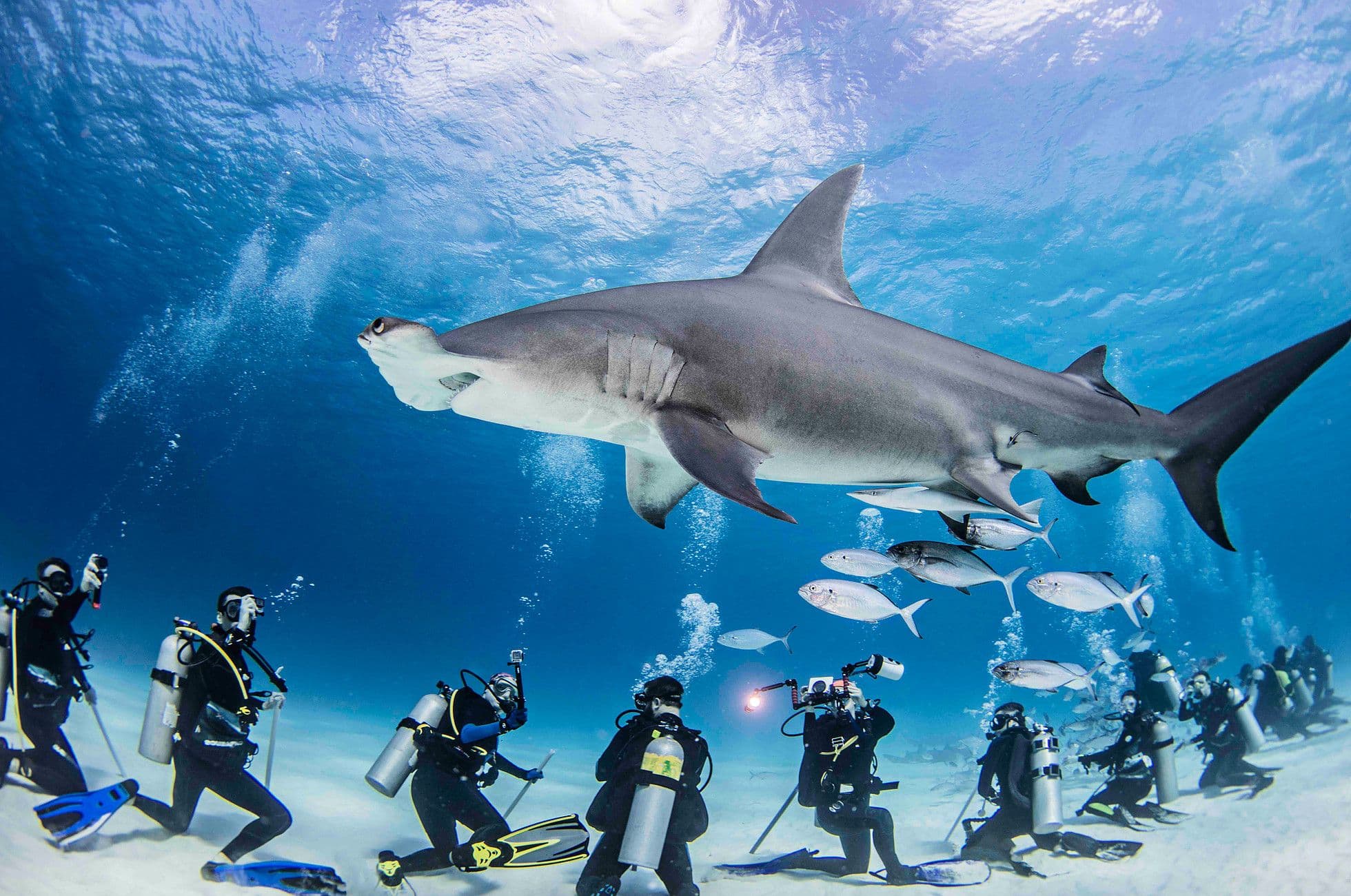
The question is not whether women can dive alone. They can, and millions do every year. The real question is which operators make arriving solo feel normal, and which ones make it feel like you made a mistake. For solo female divers, the gap between a welcoming liveaboard and an uncomfortable one is not about the reef or the visibility. It is about cabin policies, crew culture, how the boat handles a lone woman at dinner, and whether the operator has thought about this at all.
This guide covers what actually matters for solo female divers choosing between liveaboards and resorts: the safety signals that separate genuinely welcoming operators from those that just say "solo friendly" on their website.
The Short Answer
The best operators for solo female divers share three traits: they have female dive guides or instructors on staff, they publish cabin-sharing policies upfront, and their recent reviews mention other solo women by name. The worst operators share one trait: they treat solo female guests as an afterthought or, worse, as an opportunity to upsell a private cabin at double the price.
Use this matrix before booking:
| What to look for | Good signal | Bad signal |
|---|---|---|
| Cabin policy | Published single cabins or same-gender matching at no extra cost | "Contact us for solo pricing" or no mention at all |
| Female staff | Female dive guides, instructors, or cruise directors listed on the website | All-male crew photos with no diversity |
| Recent reviews | Solo women named in TripAdvisor or ScubaBoard reviews | Only couples and groups in review photos |
| Group size | 12 to 18 guests maximum | 24+ guests with no solo-specific cabin |
| Communication | Quick, clear replies to solo-specific questions | Vague answers or pressure to book a double cabin |
What "Safe" Actually Means for Solo Female Divers
Safety for solo female divers is not just about dive briefings and oxygen kits. It is about whether you feel comfortable walking back to your cabin at night, whether the crew respects your space, and whether the boat culture treats a woman alone as normal rather than as a novelty.
Physical Safety on Board
The baseline is the same for every diver: functioning equipment, qualified dive guides, emergency protocols, and a well-maintained boat. But solo female divers have additional considerations.
Cabin location matters. On liveaboards, cabins near the salon or dive deck feel safer than cabins at the far end of a lower deck. Some operators let you request a cabin location when booking. Others assign cabins on arrival. Ask before you pay.
Locking mechanisms. Most liveaboards use simple latch locks on cabin doors. A few have proper keyed locks. If this matters to you, ask specifically. Some solo female travelers bring a small travel door lock or a rubber door wedge for added privacy at night.
Shared bathroom arrangements. On budget liveaboards, shared bathrooms are common. Mixed-gender shared bathrooms are less common on reputable operators, but it happens. If you are booking a budget boat, confirm whether the shared facilities are gender-separated.
Crew Culture and Interactions
This is where the real differences show up, and it is hard to evaluate from a website alone.
Female crew members. A boat with female dive guides, a female cruise director, or female deck crew signals that the operator has thought about gender diversity. This is not just optics. Female staff members are the single most reliable indicator that solo women have been comfortable on that boat before. Indonesia and the Philippines tend to have more female dive professionals than the Maldives or the Red Sea, but it varies boat by boat.
Dinner and social dynamics. On a 20-guest liveaboard, dinner seating matters. Boats that seat guests at one large table create a social atmosphere where solo travelers integrate naturally. Boats that default to couples-first seating or that leave solo guests at the end of the table reveal their priorities quickly. The best operators seat solo divers with other solo travelers or mixed groups deliberately.
Crew behavior after hours. This is rarely discussed in reviews, but it matters. On well-run boats, crew members are professional at all hours. On poorly managed boats, solo female guests have reported crew members lingering near cabins, making unwelcome comments, or being overly attentive in ways that feel intrusive. If you see a review that mentions "the crew was very friendly" from a solo woman, read between the lines. If multiple reviews mention the same crew member by name in a positive context, that is a good sign.
Communication Before You Book
How an operator responds to your solo-specific questions tells you everything.
Ask these three questions before booking:
-
"Do you have other solo female travelers booked on this departure?" If they say yes and can give you a number, they track this. If they say "we welcome everyone," they do not track it.
-
"Can I be matched with a same-gender cabin mate?" If they say yes with no supplement, that is excellent. If they say "we try but cannot guarantee," that is honest. If they say nothing or charge a full supplement for sharing, move on.
-
"Do you have female dive guides on staff?" If they list names, they are proud of it. If they say "our guides are all certified professionals," they are avoiding the question.
Liveaboards That Actually Get It Right
Scubaspa Yin and Yang (Maldives)
The Scubaspa fleet runs dedicated solo weeks where the entire boat is booked for individual travelers. Outside those weeks, they offer same-gender cabin matching at no supplement on their standard departures. The boats carry 20 to 24 guests, which is larger than ideal, but the social atmosphere is deliberately cultivated. They have female dive guides and a spa-focused culture that attracts a mixed-gender but female-friendly guest profile. Seven-night trips run USD 2,500 to 4,500 per person.
Damai I and II (Raja Ampat and Komodo, Indonesia)
The Damai boats are small — 12 to 14 guests maximum — and are widely regarded as the gold standard for solo female divers in Indonesia. The crew-to-guest ratio is high, the boats have female dive guides, and the owner-operator model means the people running the trip are on board. Damai does not charge a supplement if you are willing to share, and they actively match solo travelers. Seven-night Raja Ampat trips run USD 3,500 to 5,500 per person.
Emperor Explorer (Maldives)
Emperor has one of the cleanest solo policies in the Maldives: no supplement for sharing, 50 percent for private cabin use, and they do not charge extra if they fail to find you a roommate. The boats carry 16 to 20 guests, and the atmosphere is social without being party-oriented. They have female dive guides on some departures, though not all. Seven-night trips run USD 1,900 to 2,900 per person.
Philippine Siren (Philippines)
The Siren fleet, operated by Worldwide Dive and Sail, runs a consistent product across multiple destinations. The Philippine Siren carries 16 guests and offers same-gender sharing at no supplement. The crew is professional, the boat is well-maintained, and the itinerary covers Tubbataha Reef and Visayas routes. They have had female cruise directors and dive guides. Seven-night trips run USD 2,200 to 3,800 per person.
Kira Kira (Komodo and Raja Ampat, Indonesia)
Kira Kira is a smaller, owner-operated boat with a maximum of 12 guests. The boat has a strong reputation among solo female divers because the owners have deliberately cultivated an inclusive culture. They do not charge a supplement for sharing, and the small group size means everyone knows each other by the second day. Seven-night Komodo trips run USD 2,000 to 3,200 per person.
Amira (Raja Ampat, Indonesia)
Amira is a 20-guest vessel with two dedicated single cabins and a policy of no supplement for same-gender sharing on standard cabins. The boat runs Raja Ampat itineraries with a focus on biodiversity, and the crew includes female dive professionals. Seven-night trips run USD 3,200 to 4,800 per person.
Resorts That Work for Solo Female Divers
Liveaboards get most of the attention, but resorts can be a better fit for solo female divers who want flexibility, shore-based activities, and the ability to leave if something feels wrong.
What Makes a Resort Solo-Female-Friendly
Buddy boards and group dives. The best resorts for solo female divers run daily group dives where singles are paired with other guests or a divemaster. You should never be forced to hire a private guide because there is no one to pair you with.
Female dive staff. As with liveaboards, female dive instructors and divemasters are the strongest signal. Resorts in Indonesia and the Philippines are more likely to have female dive professionals than those in the Maldives or Egypt.
Independent bungalows or rooms. Resorts with standalone rooms feel safer for solo women than resorts with long corridors of identical doors. Being able to lock your own building and not share walls with strangers matters.
Social common areas. A bar, a communal dinner table, or a dive deck where guests mingle naturally makes solo travel feel social rather than isolating.
Resorts Worth Considering
Mimpi Resort Menjangan (Bali, Indonesia). A mid-range resort near Menjangan Island with a house reef, group dives, and a relaxed atmosphere. Female dive guides on staff. Rooms from USD 80 to 150 per night.
Lissenung Island Resort (Papua New Guinea). A small island resort with a maximum of 12 guests. The owner-operator model and small group size create a family-like atmosphere. Female dive guides are common. Rooms from USD 200 to 350 per night including diving.
Solitude Acacia Resort (Anilao, Philippines). A purpose-built dive resort with a strong macro diving focus. The resort runs group dives daily and has female dive instructors. Rooms from USD 100 to 180 per night.
Scuba Junkie Mabul (Sabah, Malaysia). A backpacker-friendly resort with a strong social atmosphere. Group dives, female dive instructors, and a culture that welcomes solo travelers. Rooms from USD 60 to 120 per night.
Coco View Resort (Roatan, Honduras). A well-established resort with a loyal repeat-guest culture. The resort has female dive staff and runs group dives twice daily. Rooms from USD 150 to 280 per night.
Operators and Setups to Skip
Not every operator is bad, but some patterns should make you think twice.
The "Solo Friendly" Marketing Trap
Some operators label themselves "solo friendly" because they accept solo bookings, not because they have thought about what solo travelers need. The red flags:
- No mention of single cabins, sharing policies, or supplements on the website
- "Contact us for pricing" instead of published rates for solo travelers
- All stock photography shows couples
- Reviews from solo travelers are absent or mention feeling like "the odd one out"
The High-Supplement Liveaboard
Some operators charge 80 to 100 percent single supplements on double cabins and offer no sharing option. This is not a safety issue, but it is a financial penalty for traveling alone. If an operator charges more than 50 percent supplement with no sharing option, they are not solo-friendly regardless of what their website says.
The Party Boat
Liveaboards marketed as party boats or social boats with heavy drinking cultures can be uncomfortable for solo female divers. This is not universal — some solo women enjoy the atmosphere — but if the marketing emphasizes alcohol, nightlife, and "wild" trips, the culture on board may not prioritize the kind of respect and professionalism that solo female travelers need.
The All-Male Crew Boat
Boats with entirely male crews are not automatically unsafe, but they signal that the operator has not prioritized gender diversity. In some destinations, this is cultural and unavoidable. In others, it is a choice. If a boat has 15 crew members and zero women, ask yourself why.
Real Talk: What Solo Female Divers Actually Experience
The diving community is generally welcoming, but solo female divers report a consistent set of experiences that are worth knowing before you book.
The Good
Other divers are usually great. Most divers, regardless of gender, are welcoming to solo travelers. The shared experience of diving creates an instant bond. Solo female divers frequently report that they made friends on the first day and never felt alone again.
Crew professionalism is the norm. On well-run boats and resorts, crew members are professional and respectful. The vast majority of solo female divers have positive experiences with staff.
Small groups solve most problems. Boats with 12 to 16 guests create a social atmosphere where solo travelers integrate naturally. The smaller the group, the less likely you are to feel like an outsider.
The Not-So-Good
Being mistaken for someone's partner. On boats with mostly couples, other guests sometimes assume you are part of a pair. This is usually harmless but can be annoying.
The "where is your husband?" question. In some destinations, particularly in the Maldives and Egypt, solo female divers report being asked this question by crew members or local staff. It is usually curiosity, not judgment, but it can feel isolating.
Cabin assignment awkwardness. On boats without dedicated single cabins, solo travelers are sometimes assigned the worst cabins — the ones near the engine room or at the far end of a lower deck. Ask about cabin assignment before you arrive.
Overly attentive crew. A small number of solo female divers report crew members being overly friendly or attentive in ways that feel uncomfortable. This is more common on budget boats with less training and oversight. If it happens, report it to the cruise director immediately.
How to Vet an Operator Before You Book
Do not rely on the website alone. Use these steps to evaluate an operator.
Step 1: Check Recent Reviews
Search TripAdvisor, ScubaBoard, and Google Reviews for the operator name plus "solo" or "female." Look for reviews from the last 12 months. Old reviews are less useful because crew and management change.
Step 2: Ask the Operator Directly
Send an email with the three questions listed above. Judge the response not just on content but on tone. A confident, specific answer means they have dealt with this before. A vague, generic answer means they have not.
Step 3: Check Social Media
Look at the operator's Instagram and Facebook. Do they post photos of solo female guests? Do they have female dive staff in their content? Do they share content from women's dive groups? These signals matter more than a "solo friendly" badge on their website.
Step 4: Contact a Dive Travel Agency
Agencies like ZuBlu, Bluewater Dive Travel, and Divebooker specialize in liveaboard and resort bookings. They know which boats have had incidents, which ones are genuinely welcoming, and which ones have changed management recently. Their advice is free — they earn commission from the operators.
Step 5: Join Women's Dive Communities
Groups like Girls That Scuba, Women Divers Hall of Fame, and various Facebook groups for solo female divers are the best source of unfiltered, recent information. Ask for specific operator recommendations. Members are usually happy to share their experiences.
Solo Female Dive Trips and Women-Only Options
Some operators run women-only trips that remove the guesswork entirely.
Women-Only Liveaboards
Girls That Scuba occasionally charters full boats for women-only trips. These are announced on their social media and sell out quickly. The trips are social, supportive, and remove the cabin-matching problem entirely.
Siren Fleet has run women-only weeks on some of their boats. These are less frequent but worth watching for.
Women-Only Dive Resorts
Lady Elliot Island Eco Resort (Australia) runs women-only dive weeks. The resort is on the Great Barrier Reef and focuses on manta rays and reef conservation.
Various operators in Roatan, Honduras run women-only dive retreats. These are typically week-long packages with yoga, diving, and community focus.
Mixed but Female-Friendly Group Trips
Some dive travel companies run group trips that are open to all genders but are marketed toward solo female travelers. These trips have a female trip leader, a social itinerary, and a culture that prioritizes inclusivity.
Budget Breakdown for Solo Female Divers
| Option | Typical cost (7 nights) | What you get |
|---|---|---|
| Budget liveaboard with shared cabin | USD 1,200 to 2,000 | Bunk cabin, basic meals, 3 dives per day |
| Mid-range liveaboard with single cabin | USD 2,000 to 3,500 | Private cabin, good meals, 3 to 4 dives per day |
| Premium liveaboard with sharing option | USD 3,000 to 5,000 | Comfortable cabin, excellent food, 4 dives per day |
| Budget resort with group dives | USD 800 to 1,500 | Room, breakfast, 2 to 3 dives per day |
| Mid-range resort with dive package | USD 1,500 to 3,000 | Good room, meals, unlimited diving |
| Women-only group trip | USD 2,500 to 5,000 | Everything included, social focus |
These ranges are for the Maldives, Indonesia, and Philippines. Red Sea trips are typically 20 to 40 percent cheaper. Caribbean trips are typically 10 to 30 percent more expensive.
Final Checklist Before You Book
- Operator has published solo or single-cabin pricing
- Same-gender cabin matching available (with or without supplement)
- Female dive guides or instructors on staff
- Recent reviews from solo female travelers (within 12 months)
- Cabin location can be requested in advance
- Operator responded clearly to solo-specific questions
- Group size is 18 or fewer guests
- Travel insurance with dive evacuation coverage purchased
- Emergency contacts shared with someone at home
- Underwater camera or SMB packed (both increase your independence)
Sources
- ZuBlu solo traveler liveaboard filters and recommendations
- Bluewater Dive Travel solo diver resources
- Girls That Scuba community recommendations
- ScubaBoard solo female diver forum threads
- TripAdvisor recent reviews filtered for solo female travelers
- Individual operator websites and published cabin policies