
For fifteen years, the Maldives held a distinction that made it one of the most important shark conservation stories on the planet. On March 1, 2010, the island nation banned all shark fishing across roughly 900,000 square kilometers of ocean, becoming the second country in the world after Palau to declare a full shark sanctuary (Source: Dreaming of Maldives, 2025). It was the first — and remains the only — sanctuary of its kind in the Indian Ocean (Source: Oceanographic Magazine, 2025).
That era ended on November 1, 2025, when the government of President Dr. Mohamed Muizzu approved regulations reopening gulper shark fishing, effectively carving a species-level exemption out of the sanctuary (Source: Oceanographic Magazine, 2025). The reaction from the global diving community was immediate and fierce: the story hit the front page of r/scuba with over 900 upvotes (Source: r/scuba, 2025), conservation organizations issued urgent statements, and thousands of divers began asking the same question — should we still go to the Maldives for sharks?
Here is everything we know so far, what it means for your next dive trip, and what divers can do about it.
What Actually Changed: The Timeline
The path to weakening the Maldives shark sanctuary was years in the making. Multiple administrations explored reopening tuna longlining, including proposals to allow the sale and export of sharks caught as bycatch. These efforts were abandoned in 2021 and again in 2024 after public outcry and strong opposition from conservationists and the Bodu Kanneli Masveringe Union, a yellowfin tuna fishermen's union (Source: Save Our Seas Foundation, 2026).
The push came from the top. Reopening shark fishing fulfilled a campaign promise by President Muizzu, who announced the decision during a visit to Kulhudhuffushi City, a northern fishing community (Source: DiveSpot, 2025). On October 31, 2025, the government approved regulations to reopen the fishery, and they took effect the very next day (Source: Oceanographic Magazine, 2025).
Here is what the new rules allow:
- Licensed vessels: Forty longline fishing vessels have been granted permits to target gulper sharks in deep water (Source: Oceanographic Magazine, 2025).
- Season window: Gulper shark fishing is permitted for seven months each year, from December 1 through June 30 (Source: Adhadhu, 2025).
- Bycatch provisions: Sharks caught as bycatch in longline fisheries may now be landed (Source: DiveSpot, 2025).
- Species focus: The primary target is the gulper shark (Centrophorus species), a deep-water genus valued for its squalene-rich liver oil (Source: Save Our Seas Foundation, 2026).
The government has described the program as a "scientific and resource-utilization" initiative (Source: Dreaming of Maldives, 2025). Critics call it something else entirely.
Why Gulper Sharks Are Especially Vulnerable
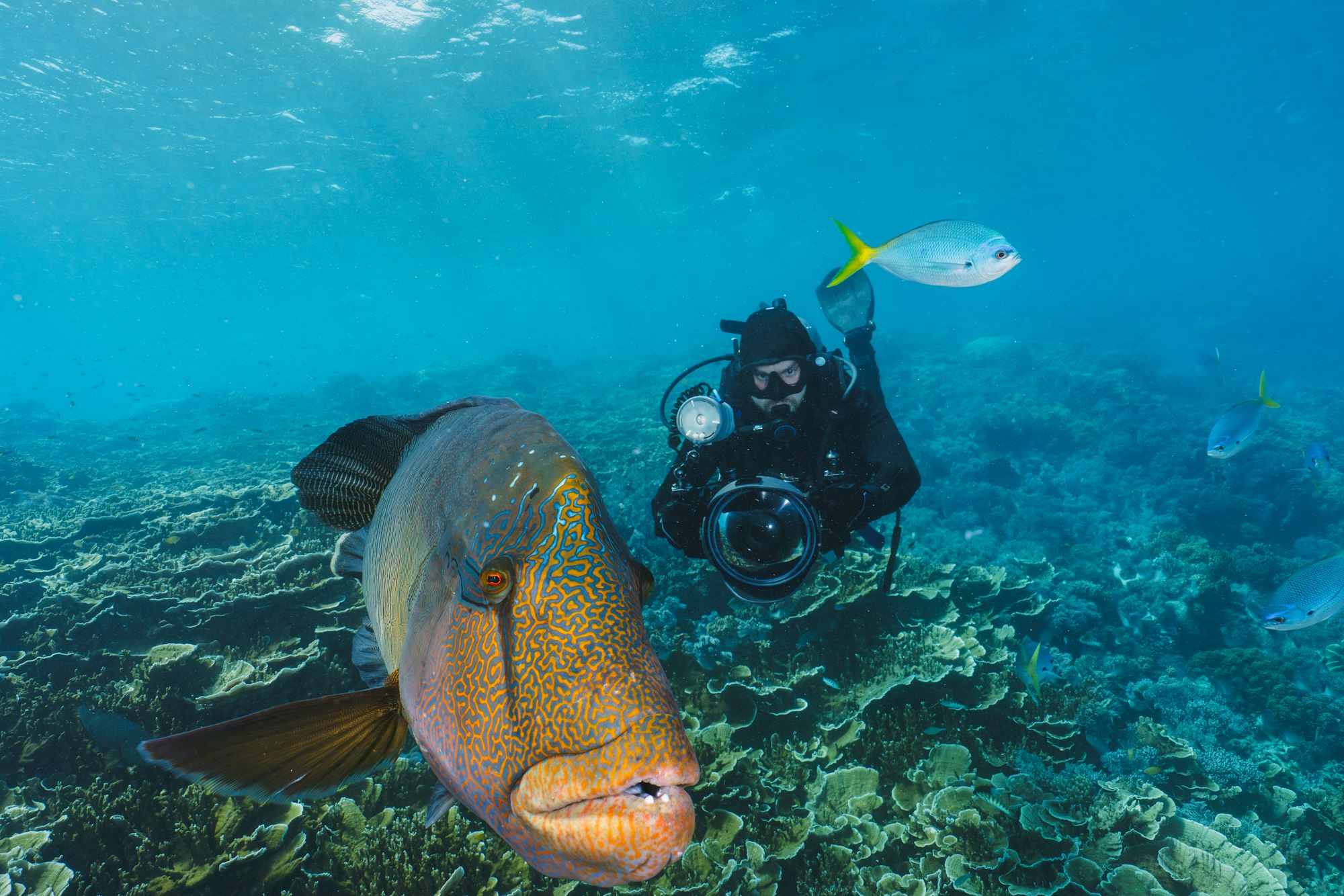
The species at the center of this policy shift are among the most fragile sharks in the ocean. Understanding why is critical for any diver trying to assess the real-world impact.
Gulper sharks are deep-water dwellers that live far below recreational diving depths. They are slow-growing, taking more than 20 years to reach sexual maturity, and produce only one to two pups every few years (Source: Oceanographic Magazine, 2025). Of the four gulper shark species historically targeted in Maldivian waters, three are listed as Endangered and one as Near Threatened on the IUCN Red List (Source: Oceanographic Magazine, 2025; Divernet, 2025).
The historical numbers are staggering. When targeted in the Maldives starting in 1982, gulper shark populations fell by an estimated 97 percent between 1982 and 2002, and the fishery collapsed within a decade (Source: Save Our Seas Foundation, 2026; Oceanographic Magazine, 2025). After fifteen years of total protection, there is no evidence that the population has recovered (Source: DiveSpot, 2025).
This is not a story about sustainable harvest. It is a story about reopening a fishery on a species that may have already passed the point of viable recovery.
The Squalene Connection
Why hunt a deep-water shark that most people will never see? The answer lies in their livers. Gulper shark liver oil is rich in squalene, a compound used as a vaccine adjuvant in pharmaceutical manufacturing and in cosmetics and skincare products (Source: Save Our Seas Foundation, 2026). Artificial squalene alternatives exist, but the natural product commands a premium (Source: Divernet, 2025).
The Numbers the Government Ignored
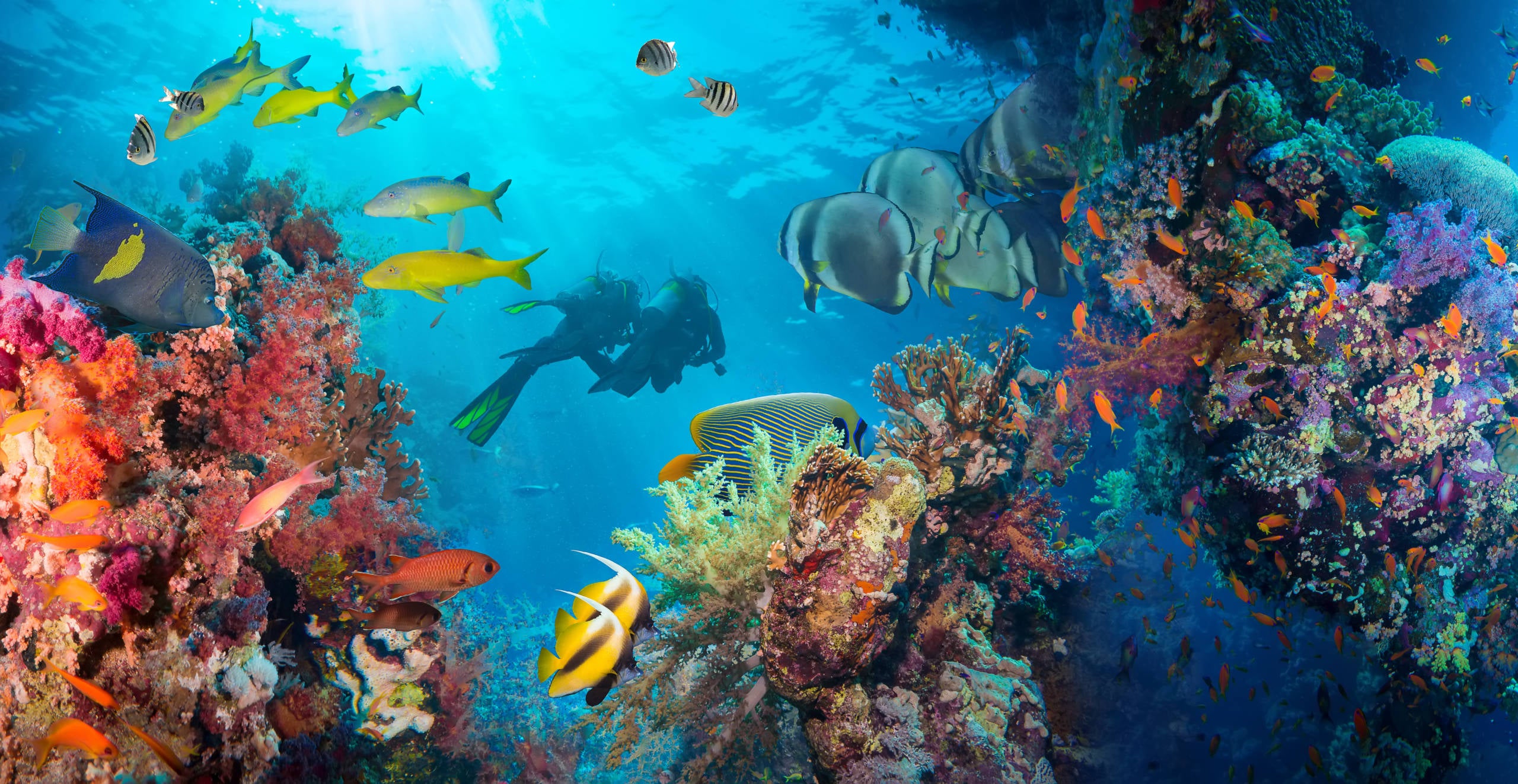
The decision to reopen gulper shark fishing came despite overwhelming opposition from both the Maldivian public and the international scientific community.
A national poll of 1,000 Maldivian adults, conducted in late September 2025 and commissioned by Blue Marine Foundation, Maldives Resilient Reefs, and the Miyaru Shark Programme, found that 77 percent of respondents rejected the decision to reopen gulper shark fishing (Source: Divernet, 2025). An additional 61 percent were aware that the Maldives is one of only 17 declared shark sanctuaries worldwide and expressed concern about losing that status (Source: Divernet, 2025).
The international response was equally forceful:
- Over 26,000 signatures were collected on an OnlyOne petition calling for the sanctuary to be maintained (Source: Oceanographic Magazine, 2025).
- More than 60 organizations and 50 marine scientists signed an open letter urging the government to halt the reopening (Source: Dreaming of Maldives, 2025).
- The IUCN Shark Specialist Group urged the Maldives to uphold its protections (Source: Oceanographic Magazine, 2025).
- The People's Majlis, the Maldivian parliament, passed a resolution calling for a ban on all shark fishing and trade (Source: Oceanographic Magazine, 2025).
- Over 4,000 protest emails were sent to Maldivian authorities (Source: Oceanographic Magazine, 2025).
The decision was made regardless.
What Divers Actually See in the Maldives Today
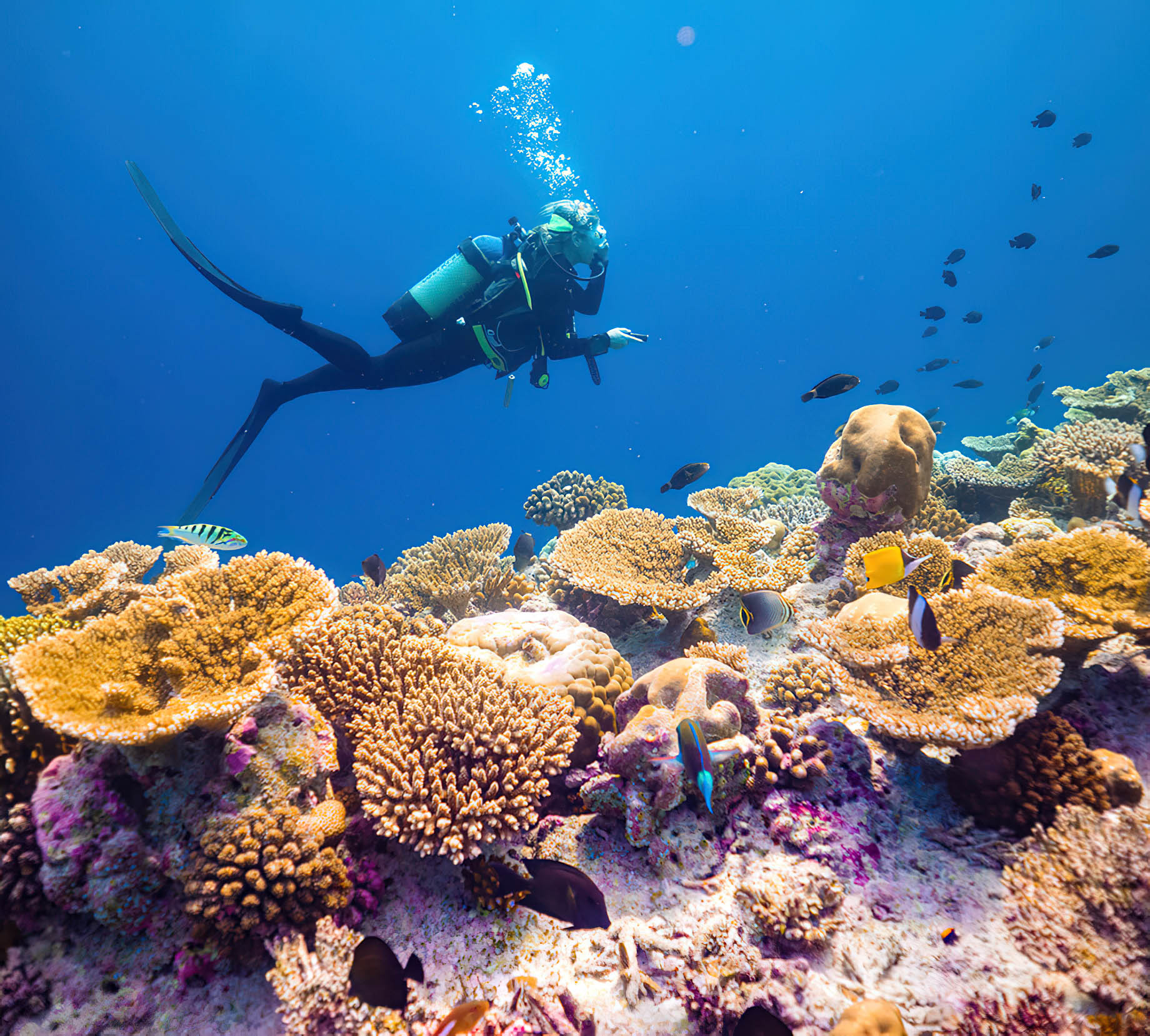
Here is where the picture gets nuanced, and where honest assessment matters more than alarm.
The reopening targets gulper sharks, a deep-water species that lives far below the depths recreational divers visit. No recreational diver was ever seeing gulper sharks on a dive in the Maldives. The species that make the Maldives one of the world's premier shark diving destinations — tiger sharks, whale sharks, grey reef sharks, hammerheads, whitetip reef sharks, nurse sharks, and bull sharks — are not the species that have been reopened to fishing.
That does not mean the change is irrelevant to divers. It means the impact is indirect and slow-moving rather than immediate. The real risks are:
Bycatch on deep-water longlines. Longlines set for gulper sharks will inevitably catch other deep-diving species, including tiger sharks, hammerhead sharks, and thresher sharks (Source: Divernet, 2025). These are species central to the Maldives' shark diving appeal.
Erosion of the conservation brand. The Maldives' reputation as a marine conservation leader was part of what made it a draw for eco-conscious divers. Losing sanctuary status undermines that positioning.
Precedent. If gulper shark fishing is allowed, it is reasonable to expect pressure to expand to other species over time. Some fishers have already expressed interest in targeting species that cause depredation issues — tiger sharks and reef sharks — though these requests have not been approved (Source: Save Our Seas Foundation, 2026).
What You Will Likely Still See on a Dive
As of early 2026, the flagship shark diving experiences in the Maldives remain intact. Here is what the key sites offer:
Fuvahmulah Atoll — This is the single best place in the world to dive with tiger sharks, with near-100 percent encounter rates year-round (Source: Travel to Dive, 2026). The island's unique geography creates conditions that attract tiger sharks, threshers, and oceanic whitetips. Fuvahmulah is a bucket-list destination for underwater photographers and experienced shark divers, with dive packages starting from around $1,250 per person (Source: Liquid Shark Divers, 2026).
South Ari Atoll and Hanifaru Bay (Baa Atoll) — South Ari Atoll is the premier site for whale shark encounters in the Maldives, with year-round sightings along the reef edge. Whale shark tourism here generated an estimated $7.6 to $9.4 million annually as of 2012-2013 research (Source: Cagua et al., 2014). Hanifaru Bay, a UNESCO Biosphere Reserve in Baa Atoll, is famous for feeding aggregations of manta rays and whale sharks, though diving is now restricted to snorkeling only (Source: Honors Legacy, 2026).
Rasdhoo Atoll — Known among Maldivian dive operators for early-morning hammerhead shark dives at the Rasdhoo Madivaru corner, where schools of scalloped hammerheads patrol the deep reef wall at dawn. Encounters are seasonal and weather-dependent, but the site remains one of the most reliable hammerhead spots in the central atolls.
Maaya Thila (South Ari Atoll) — One of the Maldives' most iconic dive sites, this thila (submerged pinnacle) draws whitetip reef sharks, grey reef sharks, and occasional nurse sharks, along with dense schools of fish and frequent manta passes.
Should You Still Go to the Maldives for Shark Diving?
This is the question at the heart of every conservation-minded diver's decision-making process. The answer is not binary. Here is a framework to help you decide.
Go If:
- You want the world's best tiger shark diving (Fuvahmulah remains unmatched globally).
- Whale shark encounters in South Ari Atoll are a priority and are not directly affected by the policy change.
- You are planning a liveaboard itinerary combining multiple atolls — the breadth of shark species in the Maldives exceeds almost any other single destination.
- You want to support dive operators who are actively advocating for shark conservation and whose livelihoods depend on healthy shark populations.
Consider Alternatives If:
- You want to ensure your tourism dollars go exclusively to destinations with ironclad shark protection.
- You are concerned about the long-term trajectory and want to diversify your shark diving experiences.
- You want to support emerging shark sanctuaries that need tourism revenue to justify their protections.
Top Alternatives for Shark Diving in 2026
| Destination | Sanctuary Status | Signature Species | Shark Tourism Revenue |
|---|---|---|---|
| The Bahamas | Full shark sanctuary since 2011 | Caribbean reef sharks, bull sharks, hammerheads, oceanic whitetips | $113.8 million/year (Source: Shark Allies, 2016) |
| Fiji | Shark sanctuary since 2014 (Beqa Lagoon) | Up to 8 species including grey reef, bull, and tawny nurse sharks | $42.2 million/year (Source: Shark Allies, 2016) |
| Galápagos Islands | Marine reserve with full shark protections | Whale sharks, hammerheads, Galápagos sharks | Protected by Ecuador's strict marine reserve regulations |
| Palau | World's first shark sanctuary (2009) | Grey reef sharks, whitetips, silvertips | $18 million/year (Source: Shark Allies, 2016) |
Each of these destinations delivers exceptional shark encounters backed by active enforcement of shark protections. The Bahamas, in particular, generates over $113 million annually from shark diving — proof that a live shark is worth exponentially more than a dead one (Source: Shark Allies, 2016).
What the Economic Data Says
The economic argument against reopening shark fishing is not subtle. Shark diving tourism in the Maldives generates an estimated $14.4 million in direct annual revenue and $51.4 million when accounting for broader economic benefits to local businesses (Source: Oceanographic Magazine, 2025; Zimmerhackel et al., 2019).
A single grey reef shark is worth thousands of dollars in tourism revenue over its lifetime. The same shark caught and sold is worth a few dozen dollars (Source: DiveSpot, 2025).
The new gulper shark fishery faces serious economic headwinds of its own. CITES listed gulper sharks on Appendix II following the reopening, meaning the Maldives government must now provide a Non-Detriment Finding to ensure exports do not threaten wild populations — a difficult task given the lack of recent population data (Source: Save Our Seas Foundation, 2026). Artificial squalene alternatives are increasingly available, and tightening international regulations could curtail exports at any time (Source: Oceanographic Magazine, 2025).
As Dr. Iris Ziegler of Deutsche Stiftung Meeresschutz warned, a short-term boost now could be followed by collapse and stranded investments (Source: Oceanographic Magazine, 2025).
An Honest Caveat: What We Do Not Know
Here is the part where intellectual honesty demands a pause. We do not have reliable, current population data for gulper sharks in Maldivian waters. The last significant population assessments date to the early 2000s, and the IUCN Red List notes that species-specific population trend data for several gulper species is lacking (Source: IUCN Red List, 2025). We do not know whether fifteen years of protection allowed meaningful recovery, and the Maldivian government has not published a stock assessment to justify the reopening (Source: Oceanographic Magazine, 2025).
We also do not yet have sufficient data to assess the bycatch impact on reef and pelagic sharks. The management plan for the new fishery includes 40 licensed vessels but no hard output controls, no vessel-level quotas, no recovery plan, and bycatch monitoring that is not independently verified (Source: Oceanographic Magazine, 2025). Enforcement across dozens of atolls will be extremely difficult.
This uncertainty is itself a reason for concern. Opening a fishery on a species with a documented 97 percent population crash, without current population data, is a gamble — and divers should understand that when making their travel decisions.
What Divers Can Do Right Now
Divers are not powerless here. The diving community has historically been one of the most effective advocacy forces in marine conservation, and that remains true in 2026.
Sign and share the petitions. The OnlyOne petition organized by Blue Marine Foundation, Maldives Resilient Reefs, and the Miyaru Shark Programme continues to gather signatures. The Save Sharks 2025 petition is also active (Source: Divernet, 2025).
Ask your dive operator directly. Before booking a Maldives trip, ask your resort or liveaboard operator what their position is on the sanctuary change. Support operators who are vocal about conservation.
Support organizations doing the work:
- Blue Marine Foundation — leading the Save the Sanctuary campaign
- Maldives Resilient Reefs — local conservation organization
- Miyaru Shark Programme — Maldivian shark research and advocacy
- PADI AWARE — global shark conservation initiatives
- Save Our Seas Foundation — funding critical shark research
Travel with purpose. The most powerful tool divers have is their wallet. Historically, when tourist numbers dropped following weakened protections, the Maldivian government eventually reversed course (Source: DiveSpot, 2025). Economic pressure works.
Document what you see. If you do dive in the Maldives, report your shark sightings to citizen science databases. Data on current shark populations — especially from sites like Fuvahmulah, South Ari Atoll, and Rasdhoo — will be critical for future conservation arguments.
The Bigger Picture
The Maldives shark sanctuary was more than a policy. It was a statement — that a small island nation could choose to protect its ocean predators over short-term profit and build a thriving tourism economy around that choice. It inspired other nations. It proved that live sharks and economic prosperity were not in conflict.
The reopening of gulper shark fishing does not erase that legacy overnight. The Maldives remains home to more than 25 shark species (Source: Dreaming of Maldives, 2025) and some of the finest shark diving on Earth. The reefs, channels, and deep-water drop-offs that attracted us for fifteen years are still there.
But the trajectory matters. Sanctuary status was a line in the sand — and it has been crossed. Whether the Maldives can rebuild its conservation credibility, or whether this is the beginning of a broader rollback, depends in part on what the global diving community does next.
A live shark is worth far more than a single liver. The data is unambiguous. The question is whether that data will be enough.
Practical Planning FAQ
Is Maldives shark diving and conservation planning suitable for newer divers?
It can be, but only if the operator matches the itinerary to certification level rather than selling the most dramatic version of the destination. For Maldives, ask for the first two dives to stay conservative: easy entries, clear ascent procedures, a guide who keeps the group small, and a hard plan for what happens if current, visibility, or surface chop changes during the day. Newer divers should treat the first day as a checkout day, not a bucket-list race.
Which specific dive sites or route stops should I ask about?
Use named sites to test whether an operator is giving you real advice. For this trip, ask about Fuvahmulah Tiger Zoo, Vaavu channels, Fish Head, Maaya Thila, South Ari, and North Male shark cleaning stations. If the salesperson cannot explain which of those are seasonal, current-sensitive, beginner-friendly, or camera-friendly, keep shopping. Strong operators will tell you which sites they would skip for your dates as clearly as which sites they hope to include.
What gear or training makes the biggest difference?
The practical kit is simple: SMB, reef hook where legal, close-focus wide-angle camera, nitrox certification, and disciplined buoyancy for shark approaches. The training priority is buoyancy first, current awareness second, and camera handling last. If you cannot hold position without sculling or touching the reef, leave the big camera rig behind until the second half of the trip. A good guide would rather manage a calm diver with modest gear than a distracted diver with expensive equipment.
What budget range should I plan around?
A realistic planning range is USD 3,500-6,500 for central-atoll shark liveaboards and USD 1,800-3,000 for a focused Fuvahmulah guesthouse week. The hidden costs are usually transfers, marine-park fees, Nitrox, equipment rental, crew tips, private guide surcharges, and lost-dive buffers for weather. If the trip is built around a rare animal encounter, add at least one spare day so a cancelled morning does not become the whole story.
What should I read next before booking?
Cross-check this guide against planning link 1, planning link 2, planning link 3, planning link 4, planning link 5. Those pages cover adjacent seasons, route trade-offs, beginner fit, and cost assumptions, which helps prevent a single article from carrying the whole booking decision.
Sources and Attribution
This article draws on reporting and research from the following primary sources: Oceanographic Magazine (November 2025), Save Our Seas Foundation (February 2026), Divernet (October 2025), Dreaming of Maldives (November 2025), DiveSpot (November 2025), the IUCN Red List, The Pew Charitable Trusts, Blue Marine Foundation national polling data (September 2025), Zimmerhackel et al. (2019) in Marine Policy on shark diving economics, Cagua et al. (2014) in PLOS ONE on whale shark tourism valuation, and Shark Allies global shark tourism revenue data. All statistics cited in this article include inline source attribution. Readers seeking to verify claims should consult the original sources linked throughout the text.
Related MantaraDive planning links
- Solo Diving in the Philippines: Which Resorts and Liveaboards Welcome Solo Travelers?
- Komodo Liveaboard Prices: What It Actually Costs (and What's Worth It)
- Red Sea Liveaboard Itinerary: North vs South for European Divers
- Lembeh Strait for Macro Photographers: Complete 2026 Guide
- 5 Essential Beginner Tips for Your First Tropical Dive Trip
- Best Dive Sites in Bali: 3 That Matter for a 7-Day Trip
- Best Time to Dive the Maldives for Manta Rays vs Whale Sharks (2026)
- Hanifaru Bay vs Fuvahmulah: Which Maldives Atoll Should You Pick?